
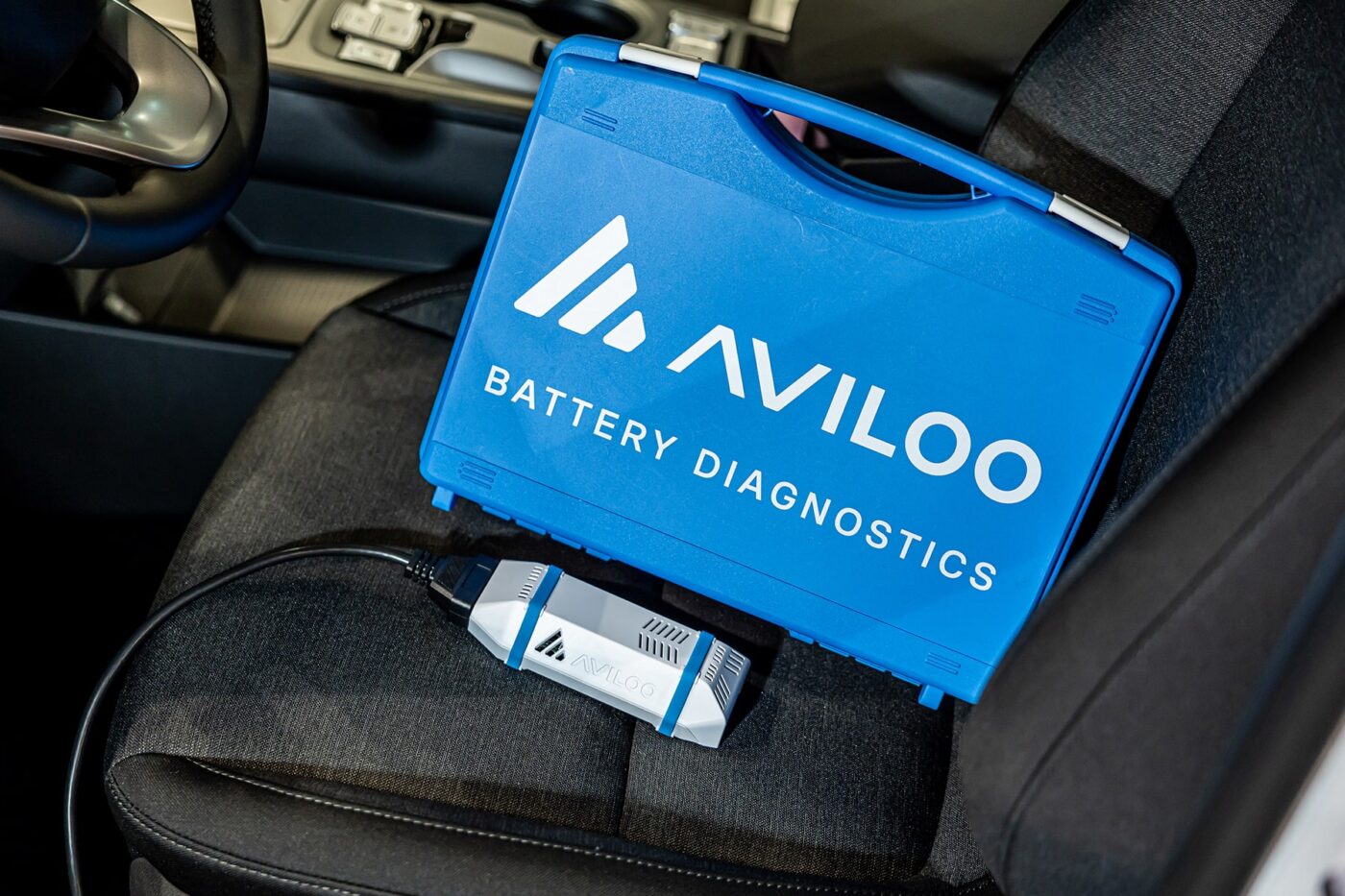
Battery testing company Aviloo has criticised media interpretations of a recent Stanford University study suggesting that occasional high‑power driving could extend electric vehicle battery life.
The company called the claim “misleading – both technically incorrect and unsupported by real‑world data,” arguing that the research was misrepresented in coverage following its publication under the title Dynamic Cycling Enhances Battery Lifetime.
According to Aviloo, the study focused on laboratory methods for battery stress testing rather than real‑world driving practices. Two approaches were evaluated: constant current cycling, which can only be replicated in controlled lab settings, and dynamic cycling, which uses variable charge and discharge profiles. “The tests showed that more intense use of the electric drive system degrades the battery at a faster rate,” the company stated.
Aviloo advises EV owners to prioritise efficient and moderate driving to preserve battery health. Recommendations include smooth, anticipatory driving, preconditioning only when the vehicle is plugged in, avoiding long idle periods above 80% state of charge, limiting fast charging to essential use, and avoiding parking in extreme temperatures. “Moderate driving behavior reduces energy consumption by 10% over the battery’s lifecycle,” said Aviloo CTO Mikolaus Mayerhofer. “In practical terms, this means that driving 100,000 kilometers with an efficient driving style is comparable to 110,000 kilometers driven aggressively.”