
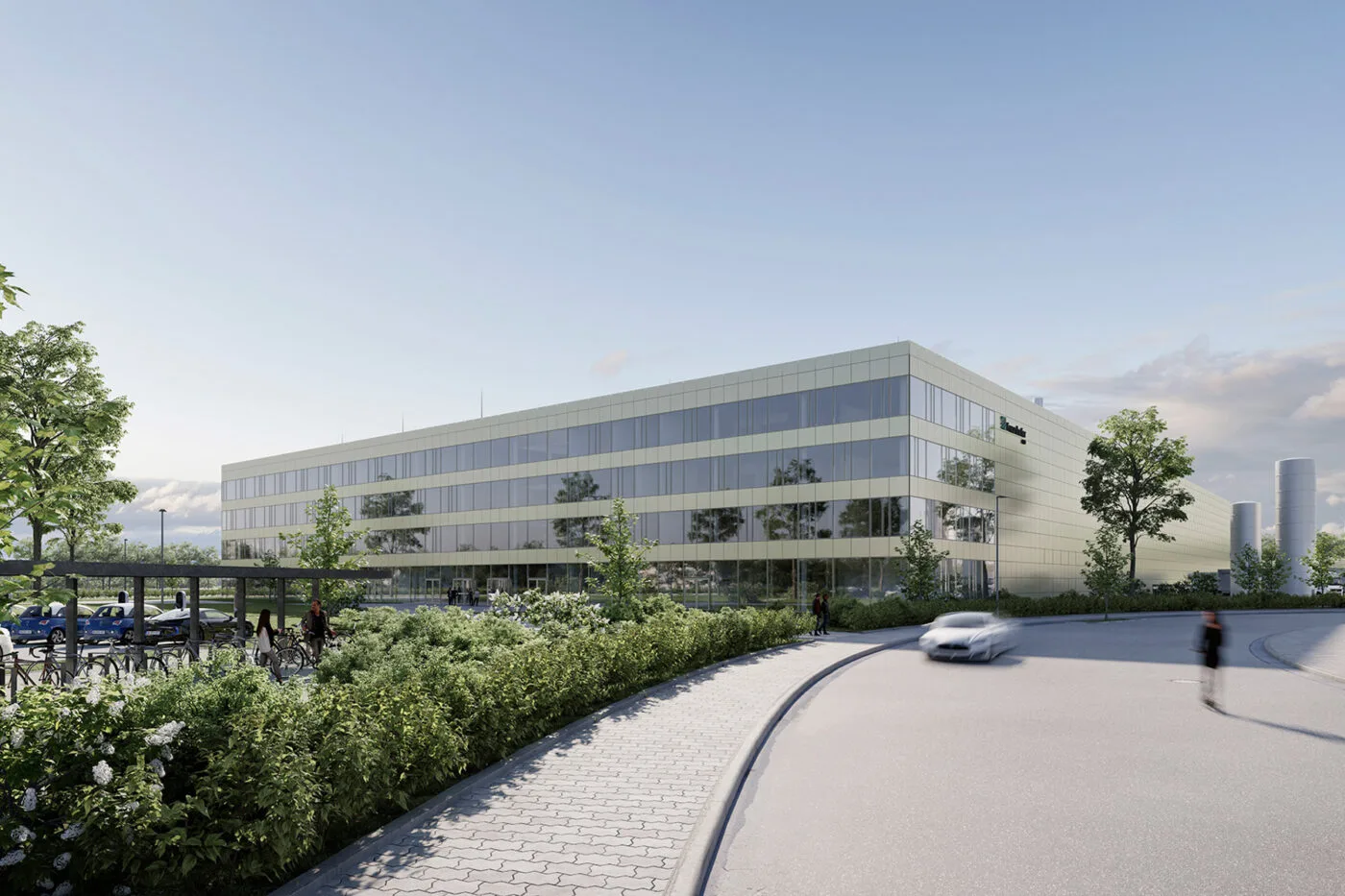
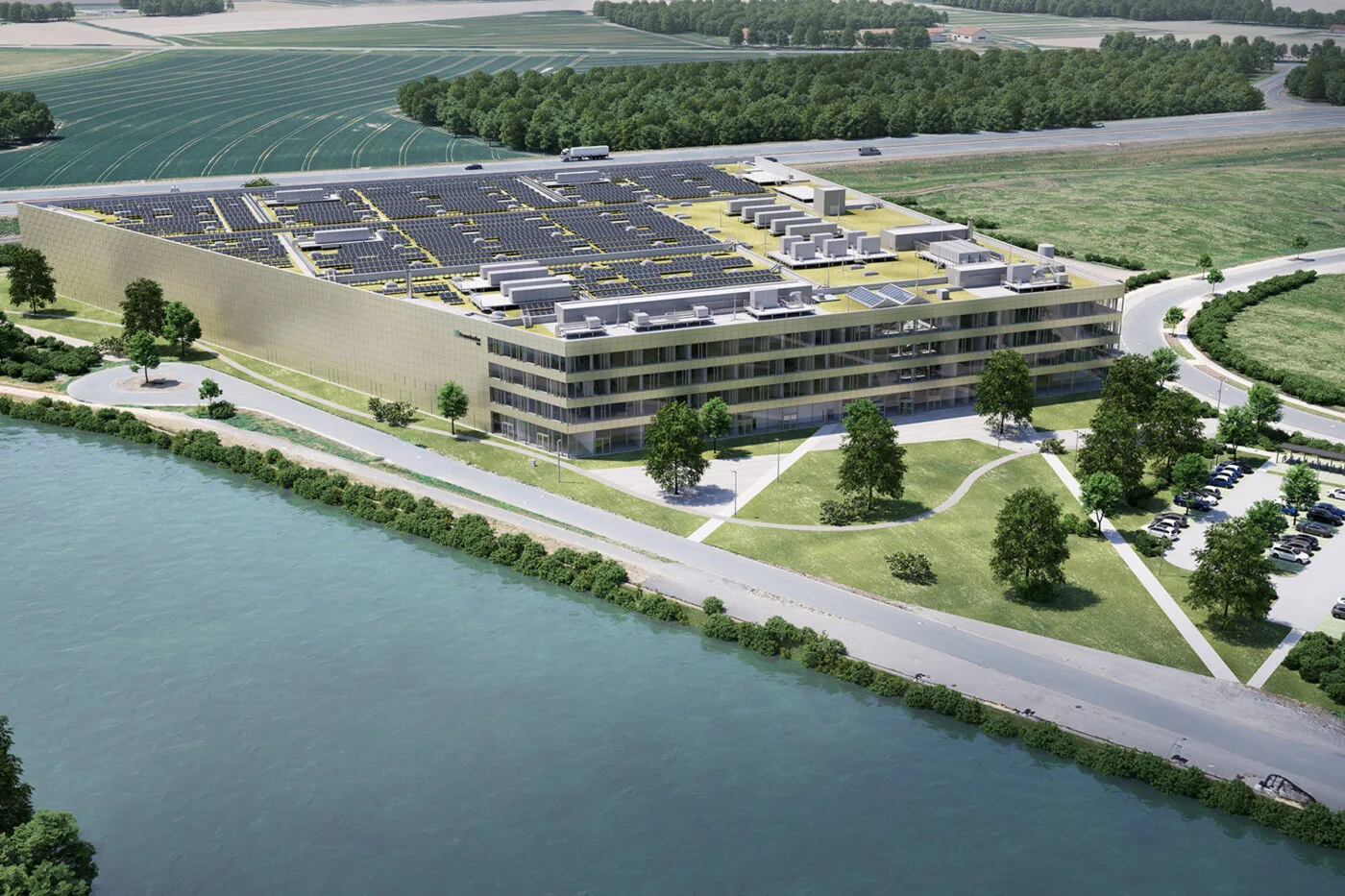
Construction has officially commenced on the second and largest phase of the Fraunhofer Research Fab Battery Cells (FFB Fab) in Münster, Germany, marking a significant step toward industrial-scale battery cell production research. With a total floor space of 20,000 square metres, the expanded facility aims to enable gigawatt-level R&D capacity by the end of 2027.
The ground-breaking follows the successful commissioning of the smaller FFB PreFab in April 2024, which offers 6,800 square metres of pilot-scale research space. The new FFB Fab will provide state-of-the-art infrastructure to support the testing and scaling of advanced battery technologies across the value chain, allowing researchers and companies to move from prototype validation to industrial readiness.
“Both the FFB PreFab and the FFB Fab are focused on further developing technologies – that is, scaling them up,” said Professor Achim Kampker of the Fraunhofer FFB. “In the PreFab, we can provide an initial assessment of feasibility on a pilot scale, and the Fab allows us to scale these processes – for instance, by increasing speed or throughput.”
The €820 million project is being supported by both federal and state governments. North Rhine-Westphalia is contributing around €320 million, while the German Federal Ministry of Education and Research (BMBF) is providing up to €500 million. According to the FFB, approximately 140 people are currently employed at the facility, which is part of the broader BatteryCityMünster ecosystem – a network that also includes the University of Münster’s MEET Battery Research Centre and the Helmholtz Institute Münster.
“The start of construction marks an important step for the Fraunhofer FFB and the entire BatteryCityMünster ecosystem,” said Professor Simon Lux, Director of Fraunhofer FFB. “We are delighted to be part of this dynamic development and to actively promote technology transfer to industry in collaboration with local institutions.”
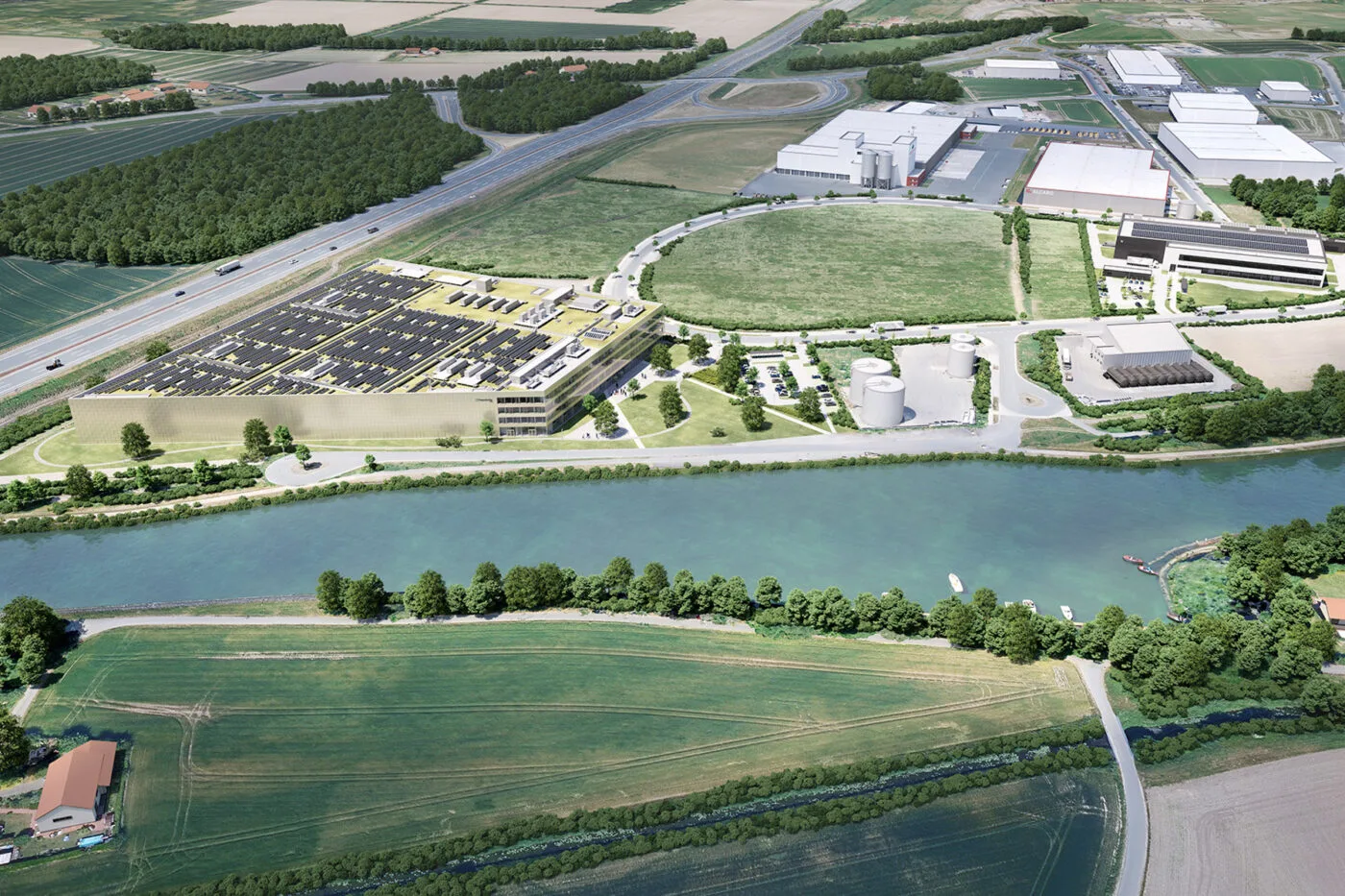
Despite broad budget cuts to research spending in early 2024, the FFB Fab project remained fully funded, underscoring its strategic importance. At the ground-breaking ceremony, regional leaders stressed the project’s potential to enhance Europe’s technological sovereignty and economic resilience.
“Modern battery cells are the backbone of the energy transition – and it is precisely here in Münster that we are continuously expanding our expertise,” said Mona Neubaur, North Rhine-Westphalia’s Minister for Economic Affairs, Industry, Climate Protection and Energy. “We are strengthening our technological sovereignty, creating future-proof jobs, and bringing added value back to Europe.”
Minister for Culture and Science Ina Brandes added, “The ground-breaking ceremony for the second construction phase is another milestone on the way to a unique research facility where the battery cell production of tomorrow can be optimally researched and developed.”