



Regulations on vehicle emission limits are becoming increasingly stringent in a number of countries, making the world’s tuners try to maneuver.
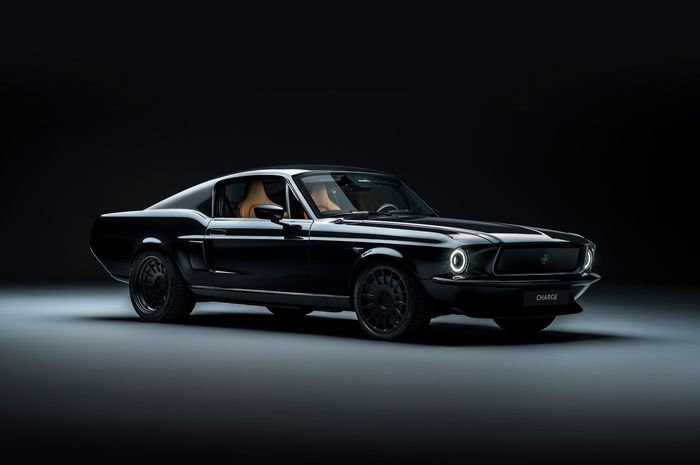
One of them is a British restomod specialist, Charge, who tried to be creative with the 1967 Ford Mustang Fastback.
At first glance this car is no different from the original version that became an icon in the 1960s era, because the main difference lies in the engine.
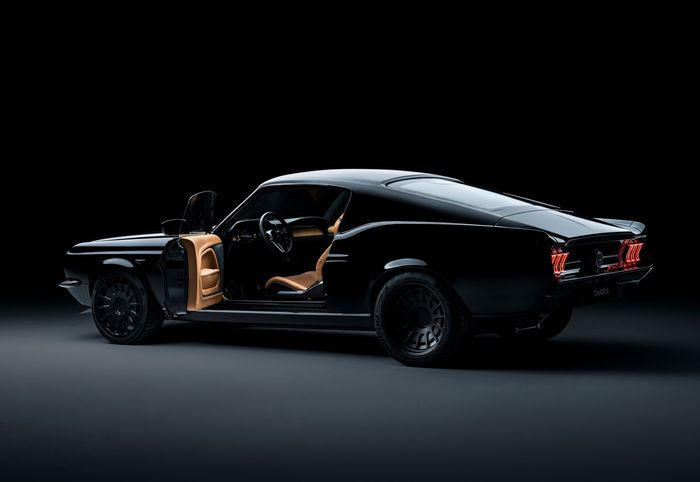

Instead of using the iconic V8 engine, this Mustang Fastback is powered by an electric motor that produces 536 hp and a peak torque of 1,200 Nm.
The proportion of the electric motor output is channeled to all four wheels, while the 64 kWh battery pack is used as a power source.
See also: Nissan Bluebird transformed into an electric vehicle to mark 35th birthday
Charge claims its electric muscle car can complete 0-100 km/h in less than 3.99 seconds, with a top speed of 240 km/h.
For the maximum mileage of this electric Mustang Fastback, it is claimed to be able to travel a distance of 322 km with a fully charged battery.

Talking about the exterior, the electric Mustang Fastback Concoction of Charge still maintains the aggressive appearance typical of this legendary muscle.
But there is a touch of modernization to the futuristic grille flanked by LED headlamps, unique door handles, new wheels, and also the Charge badge.
See also: Mini offers electric conversion for classic models
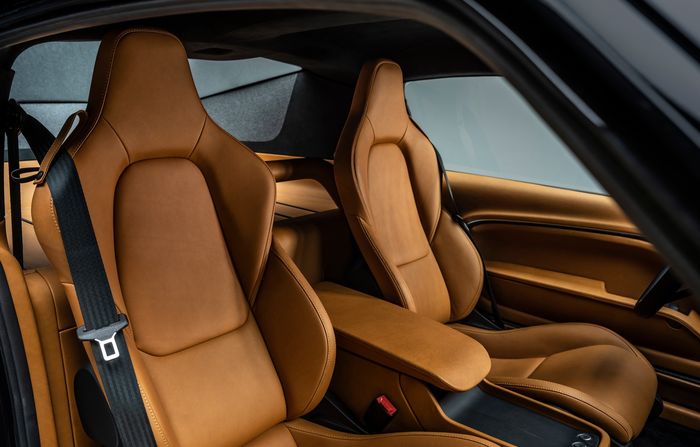
A different aura is immediately felt when you enter the cabin, trying to give a modern impression through the supply of a large screen on the center console.
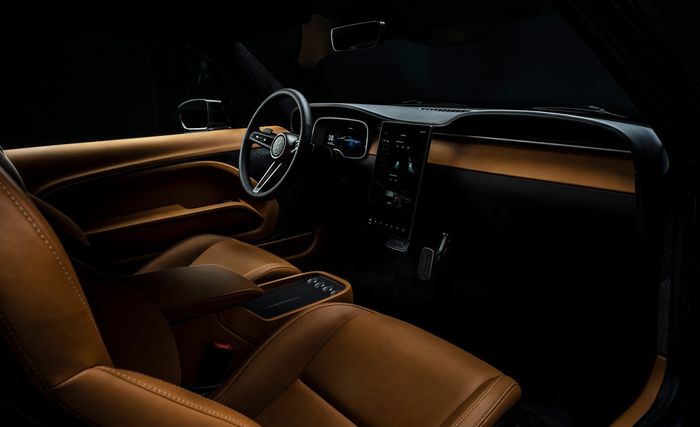

The screen can adjust various types of functions, such as wheel drive settings, and also suspension settings. Charge plans to make a 499 electric Ford Mustang Fastback, priced at £350k.


