
Zimbabwe will ban the export of lithium concentrates starting in 2027 as it seeks to advance its domestic processing industry, Mines Minister Winston Chitando said on Tuesday, marking a significant step in the country’s strategy to retain more value from its vast mineral resources.
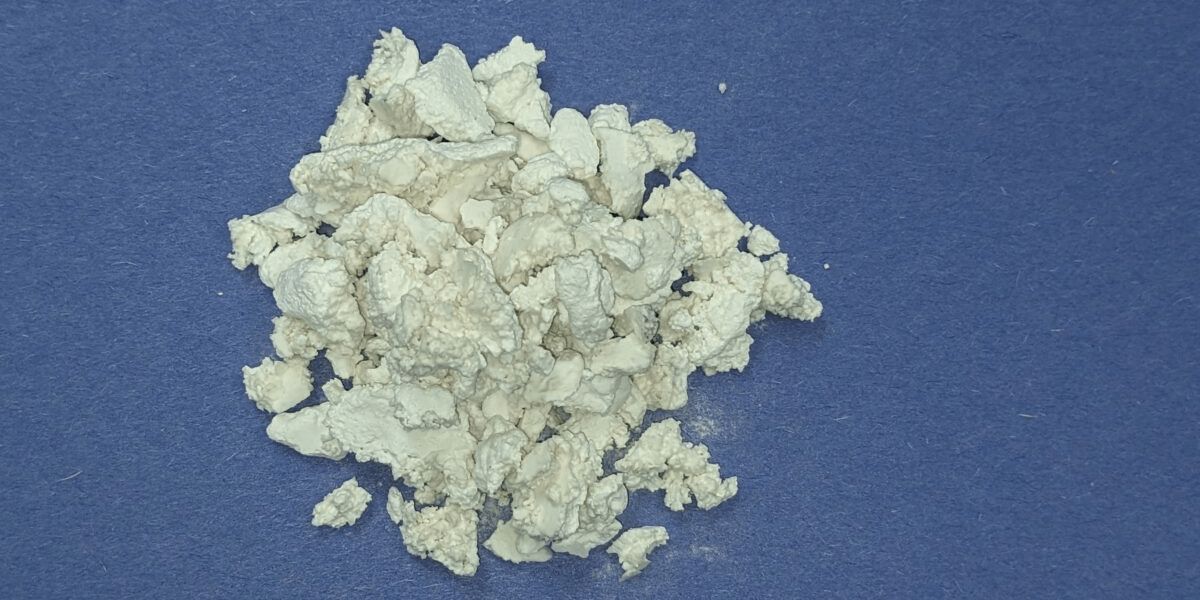
The southern African nation, the continent’s largest lithium producer, had already prohibited the export of raw lithium ore in 2022 to encourage local beneficiation. The new policy targets intermediate products like lithium concentrates, commonly exported by Chinese mining firms operating in Zimbabwe to supply processing plants back home.
Chitando said lithium sulphate plants are currently under development at Bikita Minerals, owned by China’s Sinomine (002738.SZ), and Prospect Lithium Zimbabwe, owned by Zhejiang Huayou Cobalt.
Lithium sulphate serves as a precursor to refined battery-grade materials such as lithium hydroxide and lithium carbonate. “Because of that capacity which is now in the country, the export of all lithium concentrates will be banned from January 2027,” Chitando said during a post-cabinet media briefing.
The Zimbabwean government initially mandated lithium miners to submit local refining plans by March 2024, though enforcement eased after global lithium prices slumped.
Nevertheless, Chinese companies including Sinomine, Huayou Cobalt, Chengxin Lithium Group, Yahua Group, and Canmax Technologies have collectively invested over $1 billion in Zimbabwe’s lithium sector since 2021.