




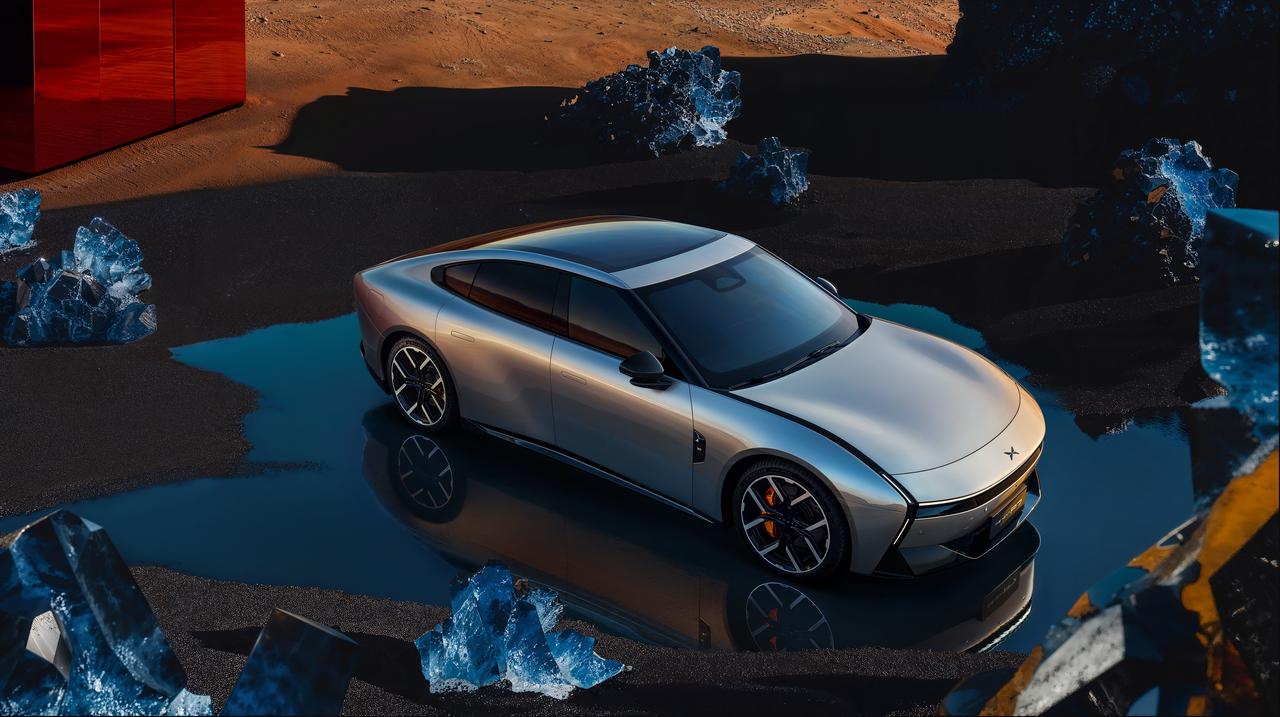
Chinese electric vehicle maker XPeng has revealed official images of its all-new P7, a mid-size coupe featuring a radically updated design and sporty styling. The vehicle is expected to launch in the second half of 2025.
The new P7, styled by French designer Rafik Ferrag, departs from its predecessor with a sharper, more dynamic appearance. A full-width LED light strip and split headlights dominate the front, combined with a black trim that seamlessly extends into the windshield and A-pillars, giving the vehicle a bold and aggressive profile. The closed front fascia and angular detailing suggest strong concept car influences.
See also: Xpeng Marks Production Milestone with 50,000th P7+ Sedan

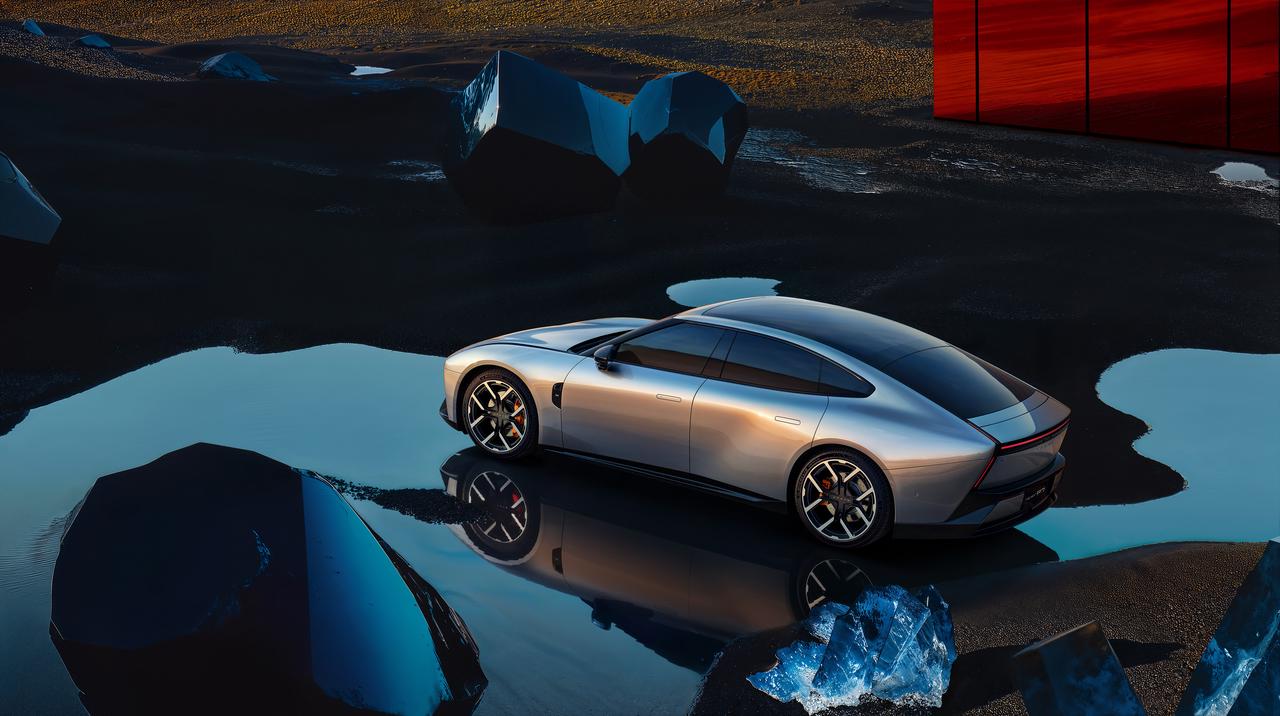
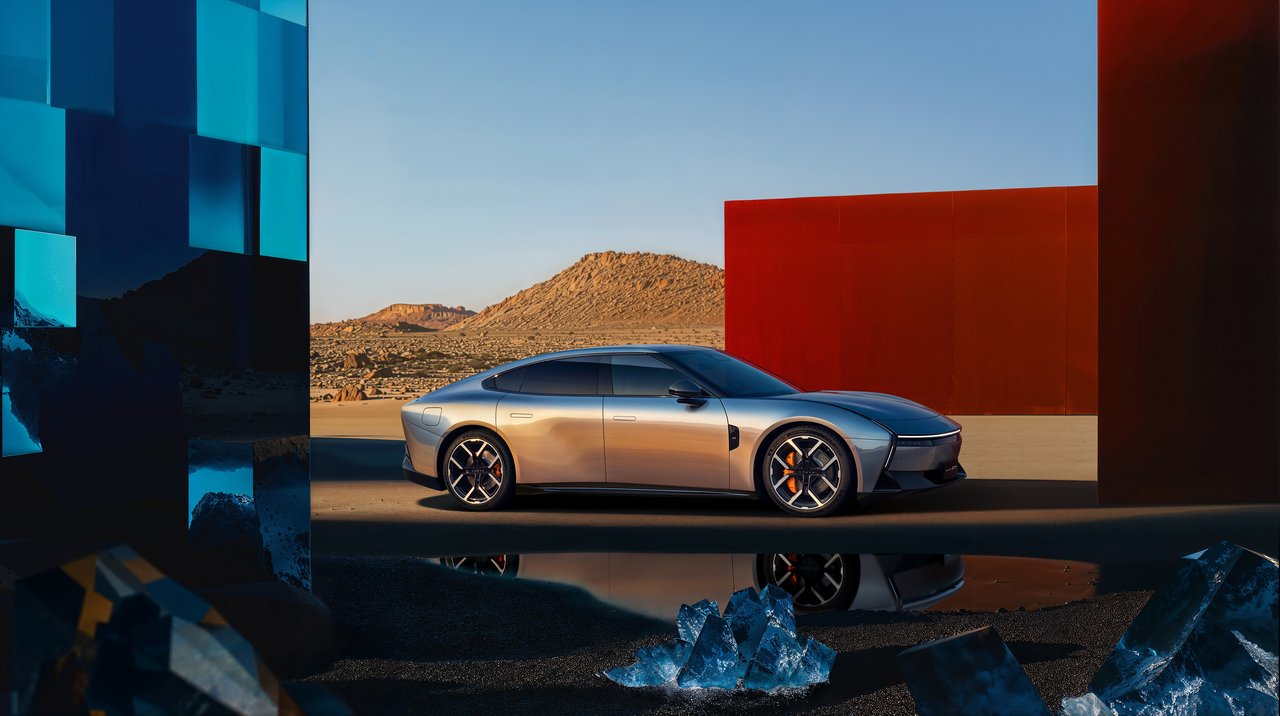
The coupe-style roofline flows smoothly into the rear, paired with frameless windows and flush door handles to emphasize its sleek and athletic character. Unique cross-shaped rims, large brake calipers, and perforated brake discs underscore the performance-oriented design.
At the rear, the vehicle echoes the front’s lighting language and incorporates a liftable spoiler, black gloss trim, and black winglets integrated into a prominent bumper. The two-tone paintwork further accentuates the car’s visual depth and dynamism.
See also: Xpeng Launches 2025 X9 Electric MPV with Enhanced Features and Starting Price of $49,900
Interior specifications have not yet been disclosed, but industry reports indicate the new P7 may feature XPeng’s proprietary Turing AI chip and a vision-only autonomous driving system capable of supporting both city and highway Navigation Guided Pilot (NGP) functions.
The updated P7 aims to strengthen XPeng’s position in the premium electric vehicle segment, building on the brand’s growing reputation for innovation and intelligent driving technology.


