





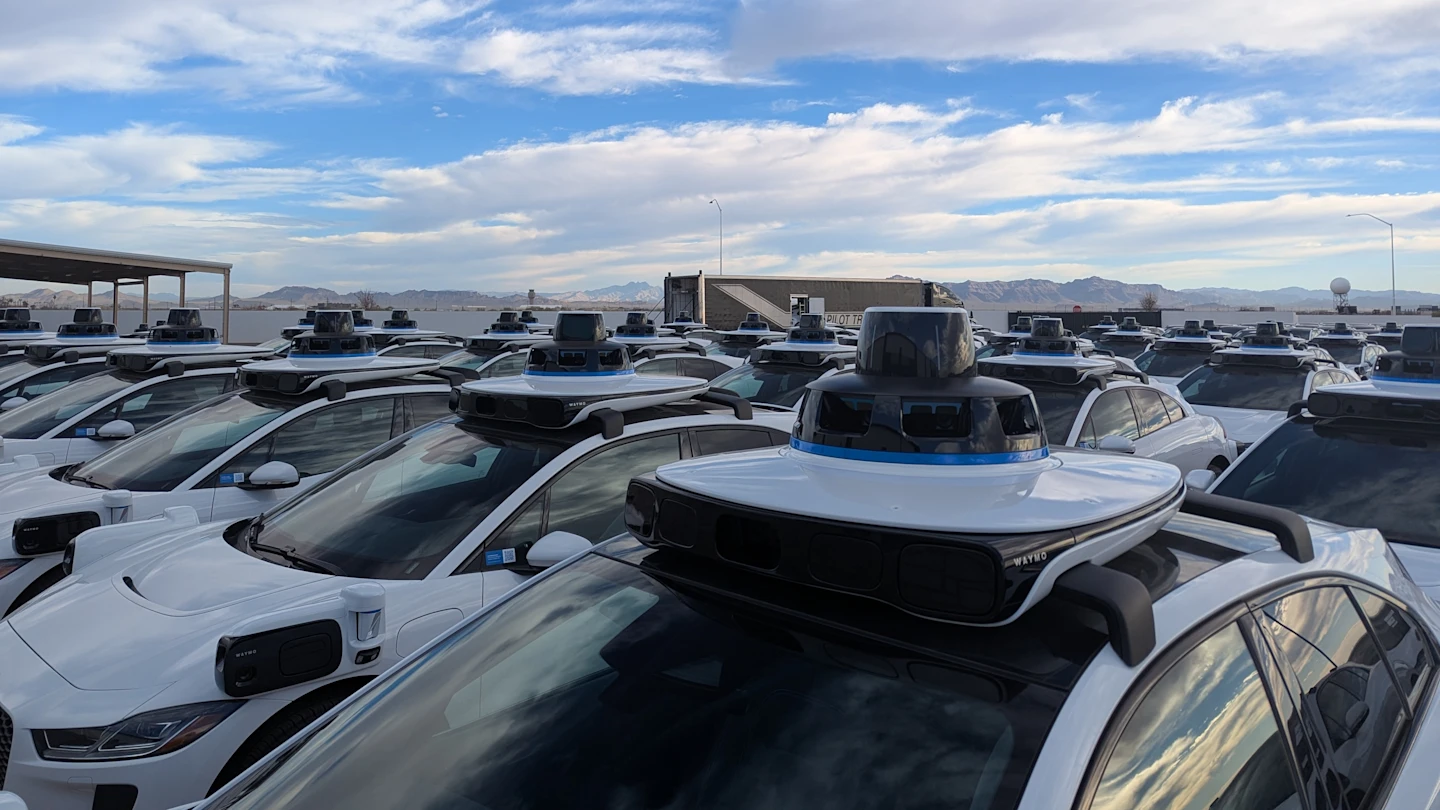
Waymo and Waze have launched a pilot program to provide pothole detection data gathered by autonomous vehicles to city transportation authorities across five U.S. metropolitan areas, in a move aimed at helping municipalities identify and repair road damage more quickly.
The initiative integrates Waymo’s road condition detection data into the Waze for Cities platform, adding autonomous vehicle-generated information to the platform’s existing pool of user-submitted traffic and road reports.
Waymo said its autonomous vehicles use perception systems and physical feedback sensors to detect potholes while operating on public roads. The data will be shared free of charge with participating municipal transportation departments and also displayed to Waze users in affected areas, allowing drivers to confirm reported potholes and improve data accuracy.
The pilot will initially operate in the San Francisco Bay Area, Los Angeles, Phoenix, Austin, and Atlanta metropolitan areas, where Waymo said its vehicles have already identified approximately 500 potholes. The company said it plans to expand the program to additional cities over time, including regions with winter weather conditions that accelerate road surface deterioration.
“Waymo is already making roads safer where we operate. We want to build on the safety benefits of our service by partnering with organisations and city officials to help improve the infrastructure we all depend on,” said Arielle Fleisher, policy development and research manager at Waymo.
San Jose Mayor Matt Mahan said the city welcomed the initiative as it evaluates technology-based approaches to infrastructure maintenance.
“As Waymo’s autonomous fleet travels across San Jose, we appreciate the collaboration with Waymo and Waze as we explore how technology can help identify issues like potholes faster so we can respond more efficiently,” Mahan said.
Sarah Kaufman, director of the New York University Rudin Center for Transportation, said the program reflected how companies operating on public roads could contribute to broader infrastructure improvements.
“Waymo is showing the good neighbor principle in action: sharing data that helps cities fix problems faster and make streets safer for everyone,” Kaufman said.
“For years, drivers on Waze have helped each other by reporting potholes for a smoother, safer ride,” said Andrew Stober, strategic partner manager at Waze. “This pilot program with Waymo adds another source of data to that effort, giving cities a clearer picture of road conditions through our Waze for Cities platform.”


