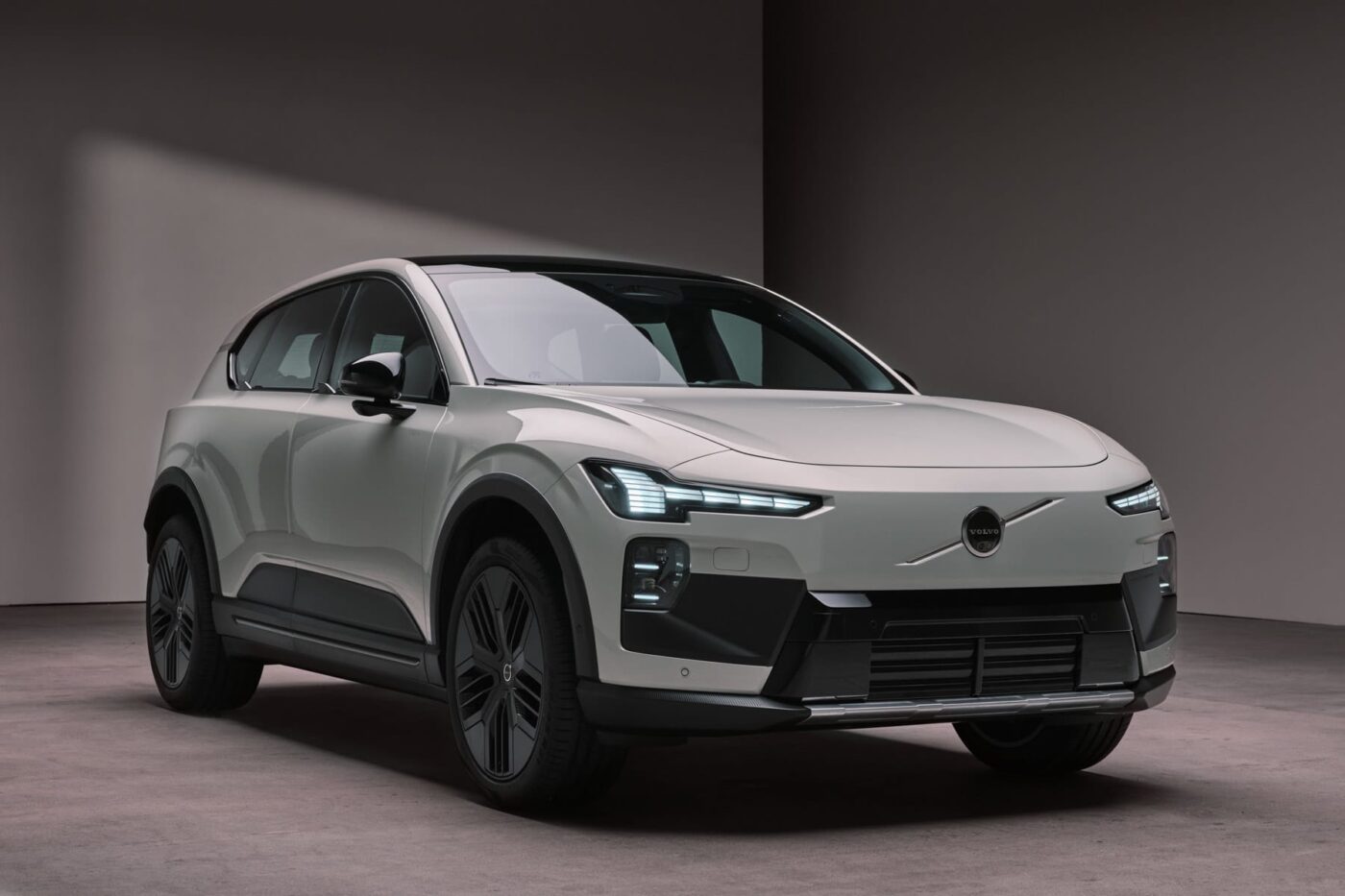
Volvo Cars said it is reviewing plans to increase 2026 production of its new fully electric Volvo EX60 after customer orders in Europe exceeded internal forecasts shortly after the vehicle’s launch.
The Swedish carmaker said demand in major European markets such as Sweden and Germany has been particularly strong, with more than 3,000 retail orders placed in Sweden alone within weeks of the SUV’s unveiling.
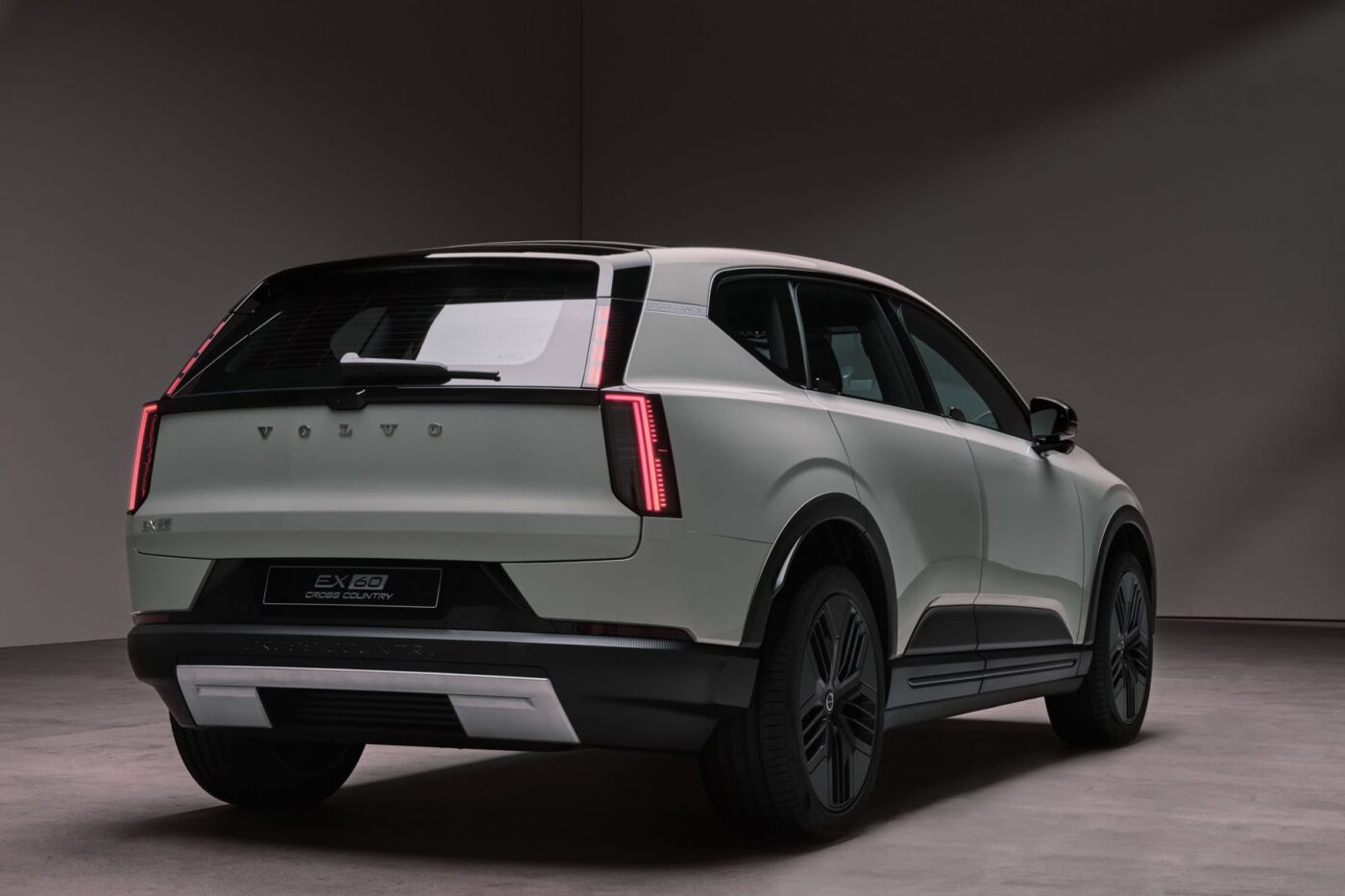
Orders have so far been limited to European markets, with U.S. order books expected to open later in the spring.
To meet rising demand, Volvo is considering expanding output at its Torslanda Plant, where the EX60 will be produced. The company is also in discussions with labour unions about keeping the facility open for an additional week during the summer—something that would be a first in Volvo’s history.
“That so many customers ordered the EX60 in the first month has surpassed our expectations, and it’s a good ‘problem’ to have,” said Erik Severinson. “We are very encouraged to see such strong demand for our game-changing electric SUV, and we are now reviewing our production plans for 2026.”
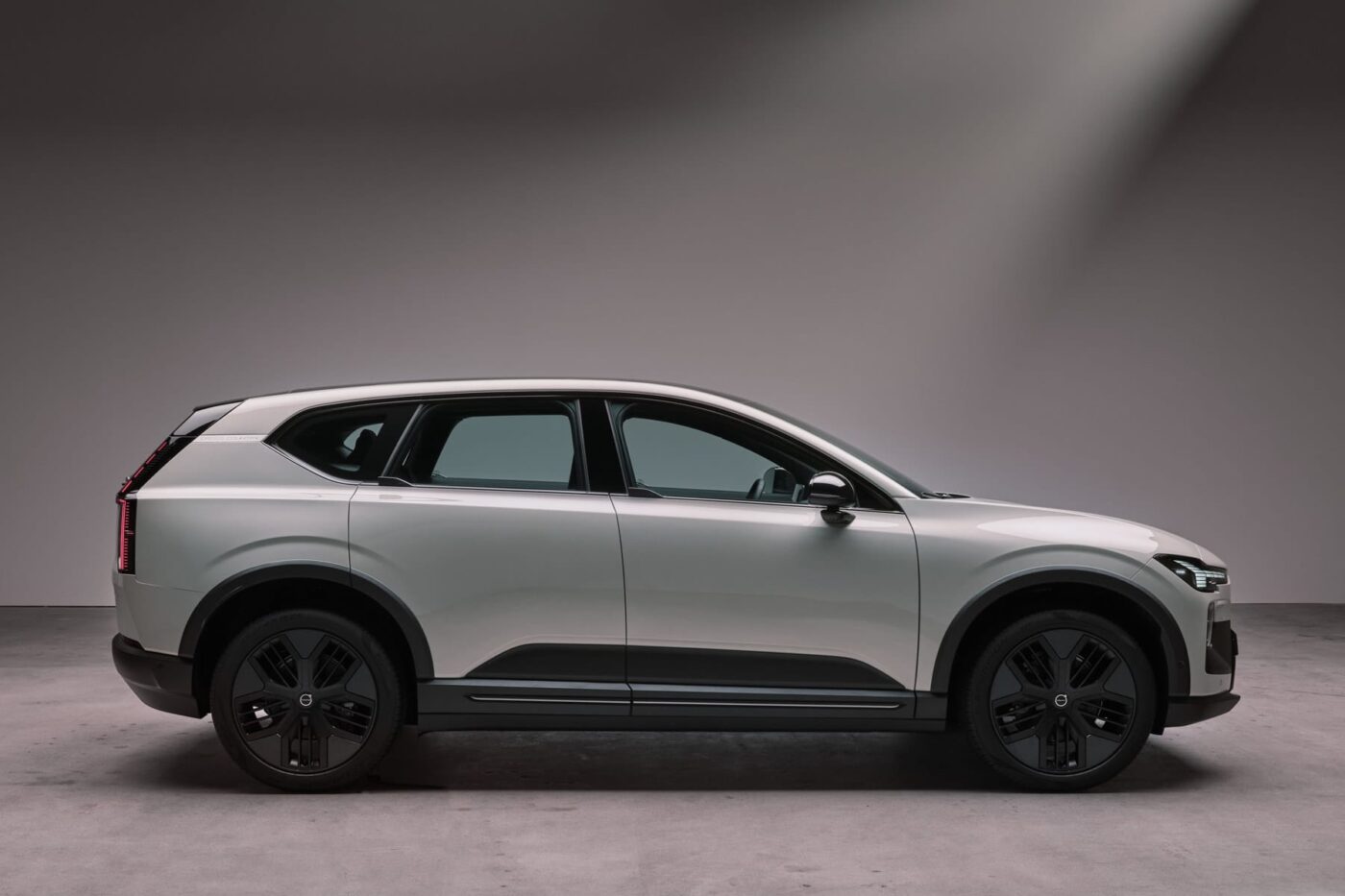
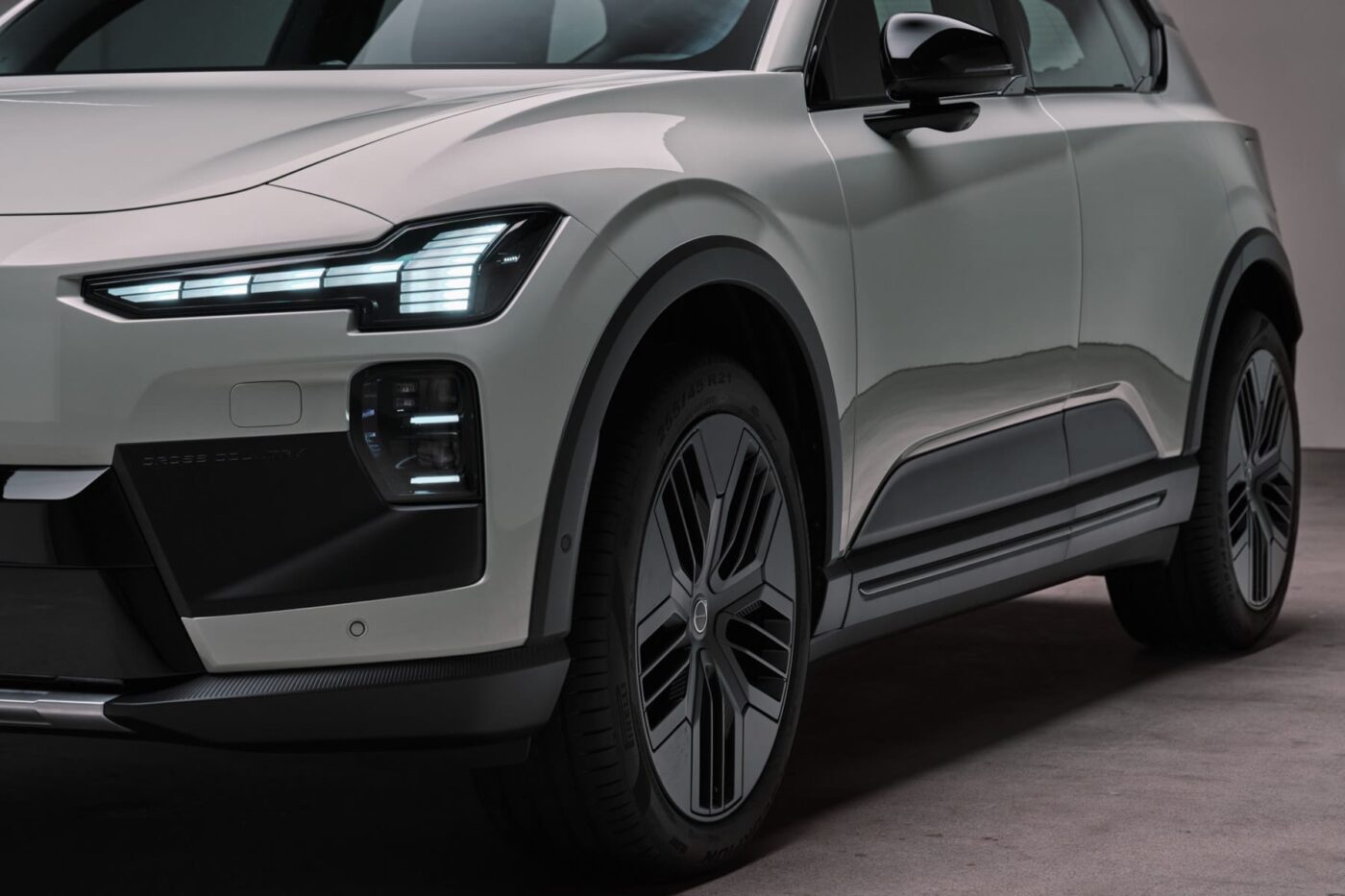
The EX60 is a mid-size electric SUV positioned as the battery-powered counterpart to the company’s popular Volvo XC60. The vehicle is built on Volvo’s new SPA3 platform and is expected to offer up to about 400 miles (around 810 km WLTP) of driving range depending on the configuration.
The model also supports ultra-fast charging using high-power DC chargers of up to roughly 370–400 kW, enabling the battery to gain around 170 miles (about 275 km) of range in roughly ten minutes under optimal conditions.
The EX60 will be available in several configurations, including rear-wheel-drive and dual-motor all-wheel-drive variants, with the most powerful version producing up to about 670 horsepower and accelerating from 0–60 mph in under four seconds.
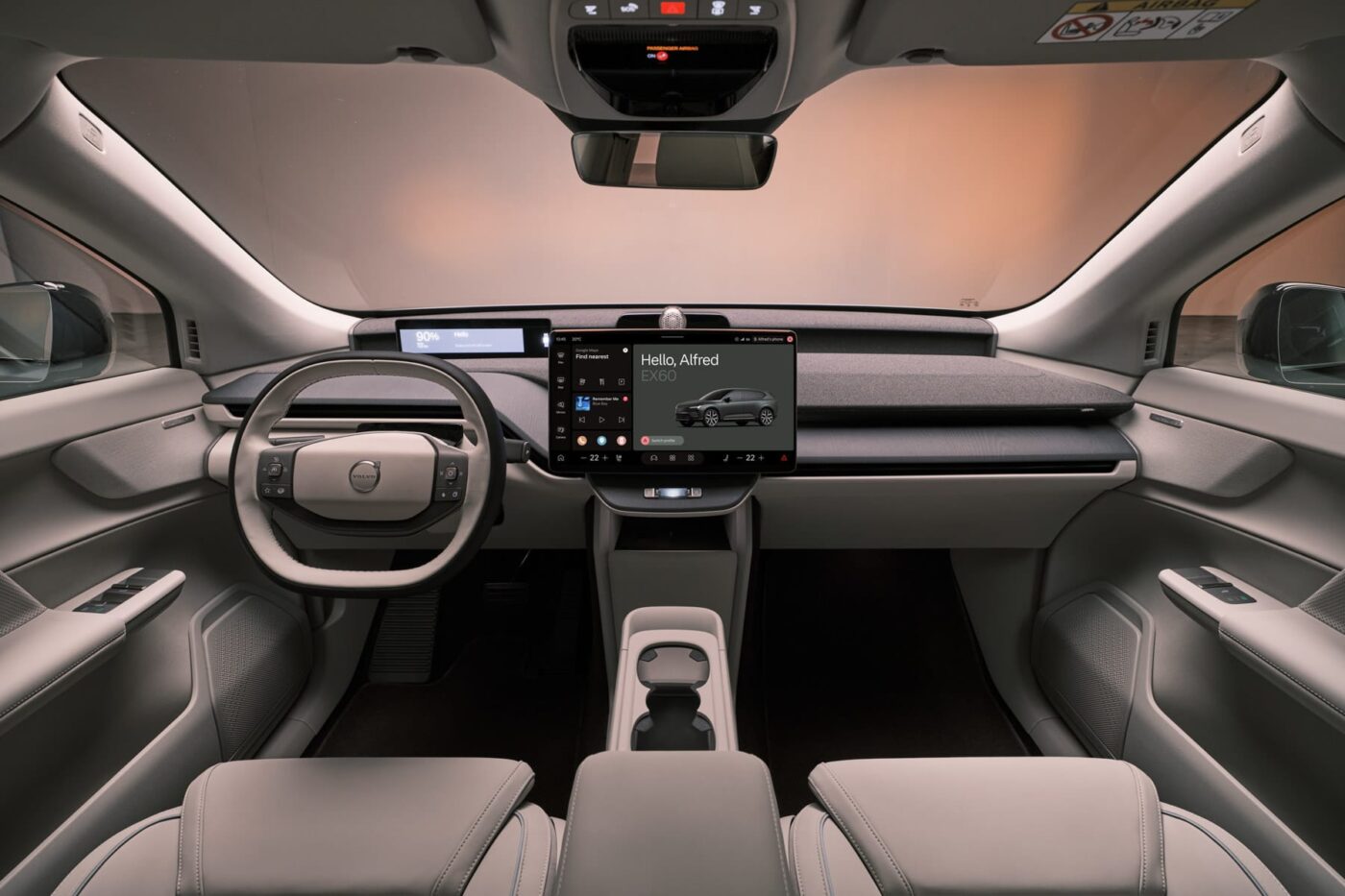
Beyond performance and range, the vehicle introduces new digital features. The EX60 is the first Volvo model to launch with integration of Google Gemini, allowing drivers to interact with the vehicle using natural voice commands for navigation, communication and other functions.
Volvo said the AI assistant will continue to improve through over-the-air updates and could eventually use vehicle sensors and cameras to provide contextual information to drivers.
The electric SUV also features Volvo’s HuginCore computing platform and advanced safety technologies, including driver-assistance systems designed to monitor surroundings and support safer driving.