

Volkswagen Group delivered 438,500 battery-electric vehicles (BEVs) worldwide during the first half of the year, a 5.8% decline from the same period a year earlier, as weaker demand in China and the United States outweighed continued growth in Europe.
The German automaker said total global vehicle deliveries, including all powertrain types, fell 6% year over year to 4.13 million units during the January-to-June period.
Europe remained Volkswagen’s strongest market for electric vehicles, with BEV deliveries rising 8.4% to 377,000 units, allowing the company to maintain its position as the region’s largest battery-electric vehicle manufacturer.
China and U.S. Weigh on Global EV Sales
Volkswagen recorded steep declines in battery-electric vehicle deliveries in its two other major markets. BEV sales dropped 69% in the United States and 48% in China during the first six months of the year, although the company said the pace of decline moderated in the second quarter.
Volkswagen attributed the U.S. slowdown to the expiration of government incentive programs and the impact of higher tariffs. In China, the company said recently introduced locally developed electric models had shown early positive signs despite continued pressure on the broader market.
Battery-electric vehicles accounted for 10.6% of Volkswagen Group’s global deliveries during the first half, while plug-in hybrid and extended-range electric vehicles increased 27% year over year to 246,000 units, representing about 6% of total sales.
The company also said its first extended-range electric vehicle (EREV) in China, the ID. ERA 9X04, is approaching 10,000 deliveries.
Škoda Leads Growth Among Volkswagen Brands
Within the Group’s electric vehicle portfolio, Škoda emerged as the strongest-performing brand, posting a 48% increase in BEV deliveries compared with the previous year.
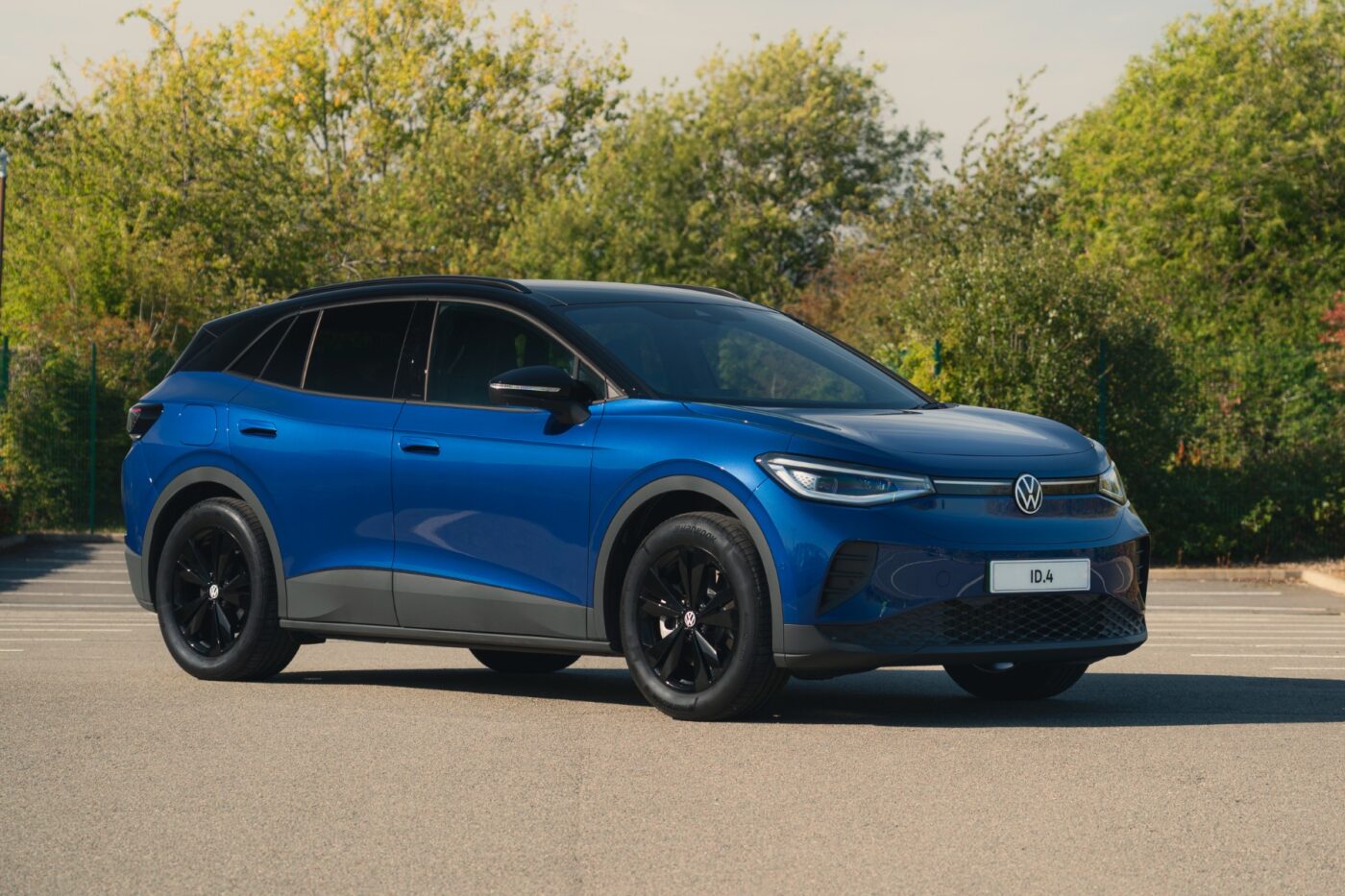
The Škoda Elroq was Volkswagen Group’s best-selling electric model during the first half with 59,900 deliveries, followed by the Volkswagen ID.4 and ID.5 with 53,700 units and the Škoda Enyaq with 48,300 units.
By contrast, battery-electric deliveries declined 31% at Porsche and 28% at the Volkswagen Passenger Cars brand.
The narrowing performance gap between Volkswagen and Škoda reflects the Czech brand’s growing contribution to the Group’s electric vehicle sales. The difference in BEV deliveries between the two brands shrank to around 30,000 units during the first half, compared with nearly 120,000 a year earlier.
Order Backlog Signals Recovery
Despite the weaker delivery figures, Volkswagen said customer demand for electric vehicles in Europe continues to strengthen.
The company reported that its European order backlog for battery-electric vehicles has increased by more than 50%. It added that the recently launched Electric Urban Car Family—including the Volkswagen ID. Polo, Škoda Epiq and Cupra Raval—has generated more than 54,000 orders.
Across all powertrain types, total order intake rose 4%, while battery-electric vehicles now account for more than 30% of the company’s European order backlog.
Marco Schubert, Member of the Extended Group Board of Management for Sales at Volkswagen, said demand outside China remained resilient.
“The Volkswagen Group grew by around two per cent overall in the first half of the year outside of China. We continued to gain ground, particularly in South America and Europe. It is especially pleasing to note that in our home region, the Electric Urban Car Family – launched just a few weeks ago – is being very well received by our customers.”
Commenting on the Chinese market, Schubert added:
“The situation in China remains challenging, where we were unable to escape a significant total market decline of around 20 per cent – despite initial positive momentum from our newly introduced, locally developed electric vehicles.”