
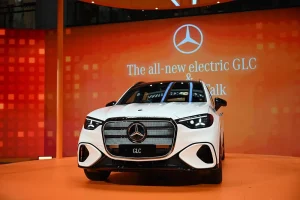

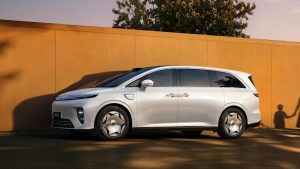



Design considerations are playing a larger role than technical specifications in shaping consumer interest in battery-electric vehicles, according to new research from Escalent, challenging long-held assumptions about what motivates EV adoption.
Escalent’s EVForward 2025 Product DeepDive study found that 71% of new-vehicle shoppers consider interior and exterior design equally important when selecting their next car. Design-related factors ranked ahead of traditional EV priorities such as driving range, charging performance and brand recognition, suggesting visual appeal and cabin experience are increasingly decisive for buyers.
See also: EV Buyers Prioritise Cost and Usability Over Emissions, GreenCars Survey Shows
Interior design was cited as a top motivator by 49% of respondents, while 45% highlighted exterior design, the study showed. Both factors ranked higher than brand recognition and driving range, each at 39%, and charging performance at 30%. Half of all shoppers described their ideal exterior as “stylish,” exceeding those who preferred a “functional” look by 20 percentage points, though current BEV offerings were found to show what the study described as a “style deficit.”
“BEVs that fail to generate excitement visually cannot rely on specifications alone to win over mainstream buyers,” said K.C. Boyce, vice president of automotive and mobility at Escalent.
See also: Ellen MacArthur Foundation Flags Circular EV Batteries as Shield Against Mineral Shortages
Despite design’s growing influence as a purchase motivator, price remains the leading reason shoppers reject electric vehicles, the research found. Interior and exterior styling also appeared as rejection factors, indicating that poorly executed design can deter buyers as much as it can attract them.
The study identified sharp differences across consumer segments. EV Intenders—defined as shoppers far more likely to adopt a BEV—showed stronger preferences for technology-forward, luxurious and distinctive interiors. In contrast, EV Resistant shoppers favored more traditional design cues. Current EV owners highlighted dashboard layout, cockpit design and screen size and placement as recurring pain points.
See also: Frequent Fast Charging Linked to Slightly Faster EV Battery Wear, Geotab Study Finds
Escalent said exterior appeal strongly shapes perceptions of interior quality, underscoring the importance of first impressions in the overall evaluation process. “Early adopters were willing to compromise on design in exchange for innovation,” said Ben Lundin, insights director in Escalent’s automotive and mobility practice. “Mainstream consumers now expect cohesive styling without sacrificing everyday usability.”
The EVForward 2025 Product DeepDive surveyed 1,515 respondents between Sept. 8 and Sept. 24, 2025, including EV owners, intenders, open-minded shoppers and EV-resistant consumers. Participants were drawn from Escalent’s EVForward database of more than 50,000 global new-vehicle buyers, with results weighted to reflect current buyer demographics and sales patterns.


