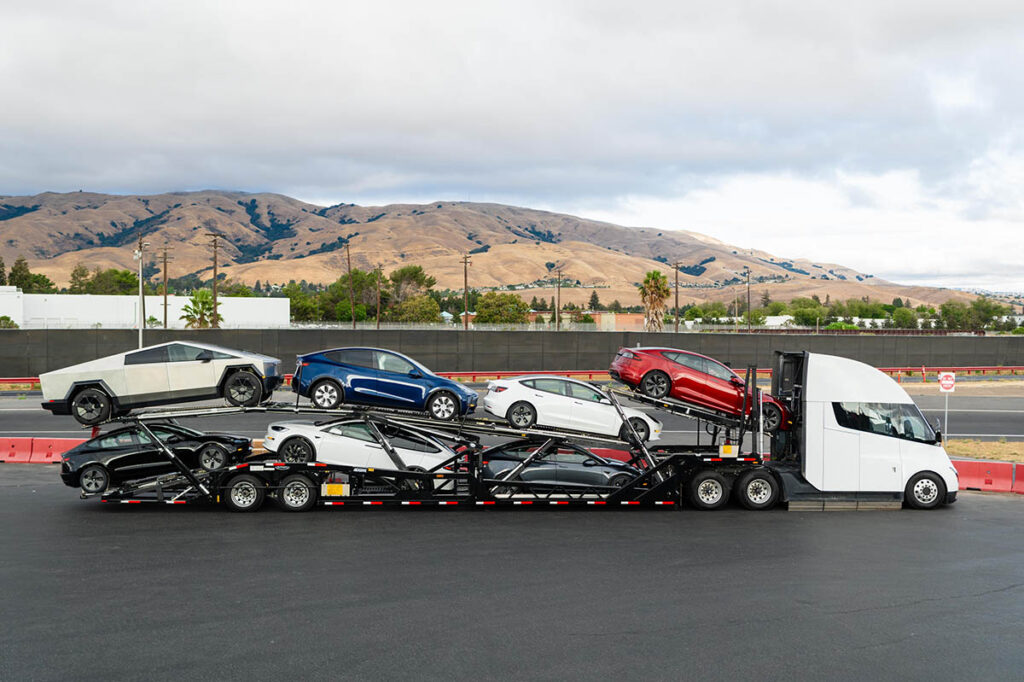



New electric car registrations in the United States rose sharply in July, marking the second-highest monthly total since records began, data from Cox Automotive showed. The momentum, however, may prove temporary as federal tax credits are set to expire in September.
Cox Automotive reported 130,082 new EV registrations for July, up 26.4% from June and 19.7% from a year earlier, lifting the market share of electric cars to 9.1%. Eleven brands posted their best EV sales of the year, with Tesla leading at 53,816 vehicles, followed by Chevrolet, Hyundai, Ford and Honda. Volkswagen and Audi also posted notable gains, with Volkswagen sales up 454% and Audi rising 150.2% after weak growth earlier this year.

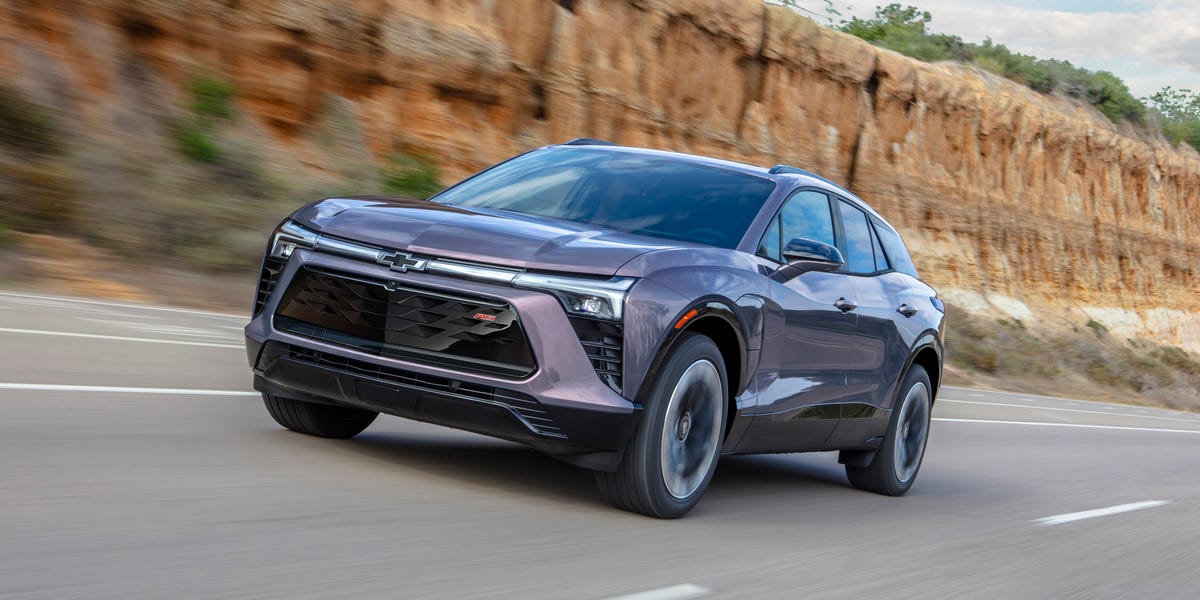
The average transaction price for EVs fell to $55,689, down 2.2% from June and 4.2% lower than in July 2024, narrowing the gap with combustion-engine cars to $7,611 — the lowest since December 2024. The five best-selling models, including Tesla’s Model Y and Model 3 as well as the Chevrolet Equinox EV, Honda Prologue and Hyundai Ioniq 5, were priced below $40,000 after subsidies.
Cox Automotive said the growth was partly driven by policy deadlines. “Inventory tightened, incentives climbed, and pricing adjusted – highlighting a market still heavily influenced by policy support but increasingly responsive to real-time demand,” the firm noted.

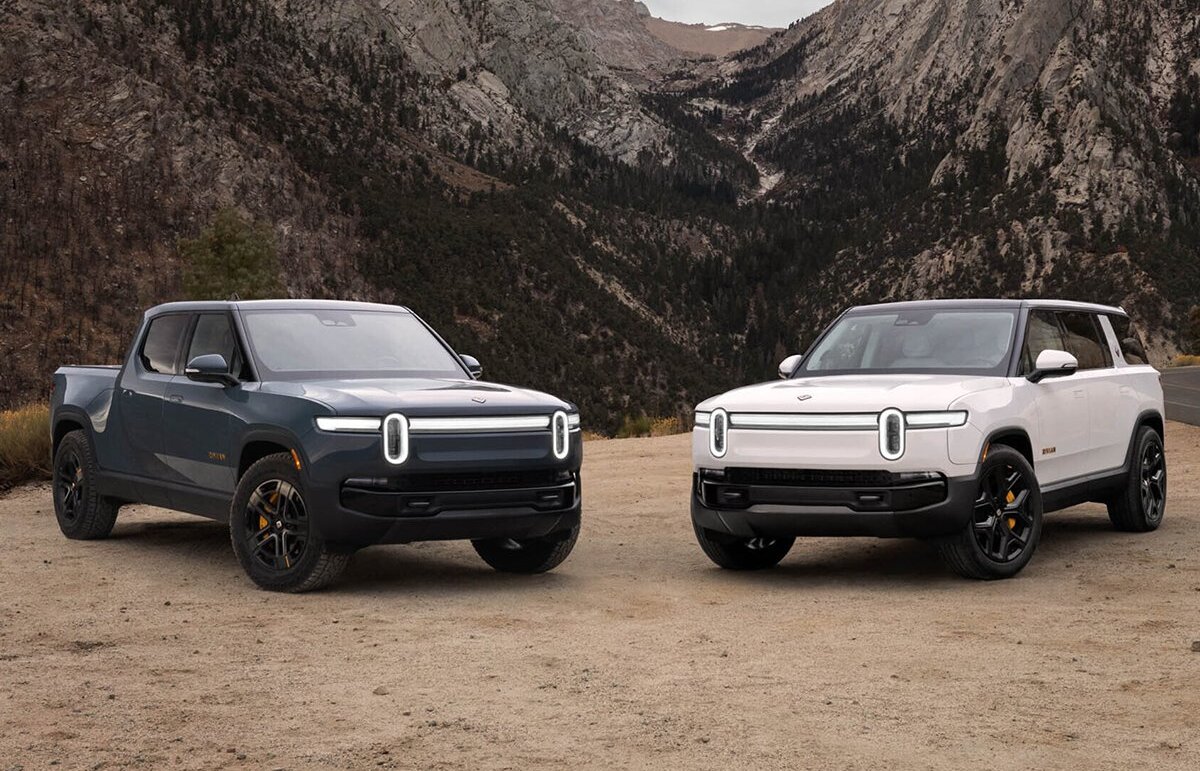
The used EV market also strengthened, with sales reaching 36,670 units in July, up 23.2% from June and 40% higher than a year ago. Tesla remained the largest player in used EVs, with 15,903 transactions.
Looking ahead, Cox Automotive warned that the end of the Inflation Reduction Act (IRA) tax credit could shape the market’s trajectory. “With the IRA tax credit set to expire at the end of September, urgency is likely to remain high, positioning the EV market for continued strength through the remainder of Q3,” it wrote in its outlook.

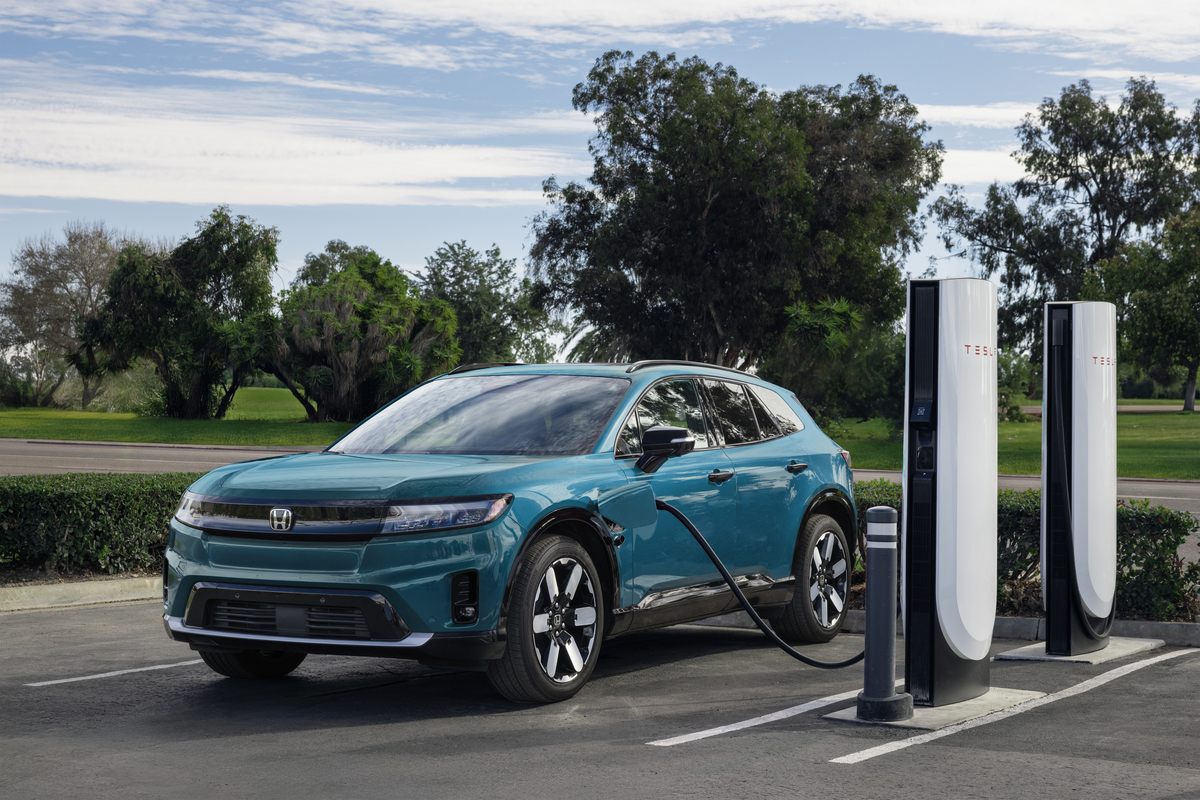
The federal government has indicated subsidies will be phased out but is backing other initiatives to encourage adoption, such as easing carpool lane restrictions for EVs and releasing long-approved charging infrastructure funds. Automakers are also taking independent steps, with Lucid offering its own $7,500 rebate and BMW considering battery imports from China despite tariff risks.