

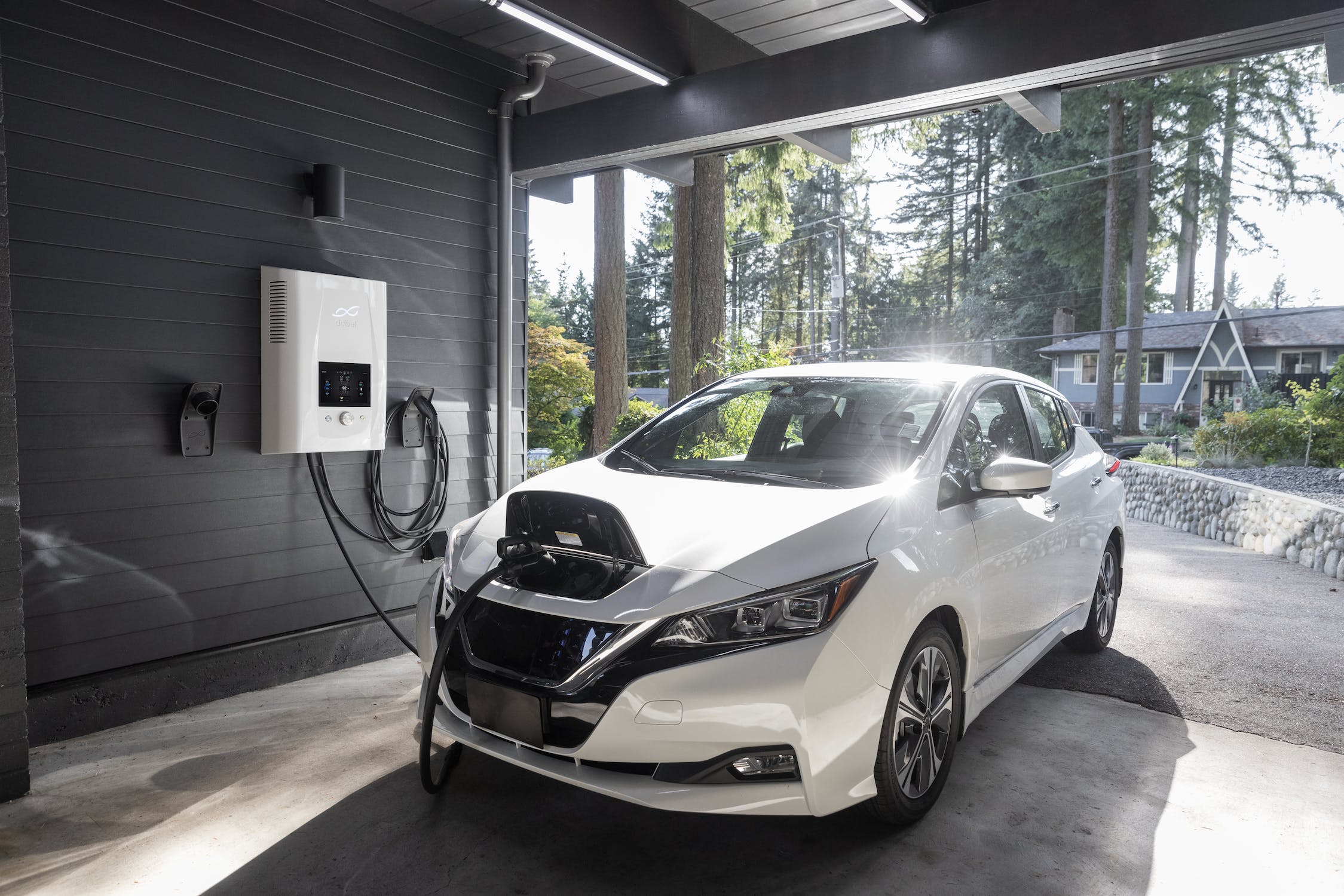
Electric vehicle owners in the United Kingdom could face higher home charging costs from July after energy regulator Ofgem announced an increase in the electricity price cap for customers on standard variable tariffs.
The maximum electricity charge will rise from 24.67 pence per kilowatt-hour (kWh) to 26.11 pence/kWh from July 1. According to Ofgem, the increase has been influenced by higher global energy prices linked to ongoing tensions in the Middle East.
Research conducted by automotive publication What Car? found that the higher tariff could increase annual home charging costs for some of Britain’s most popular electric vehicles by between £20 and £52, depending on battery size and charging habits.
Larger-Battery EVs Face Higher Cost Increases
Among the vehicles analyzed, the BMW iX3 was found to be one of the most affected by the higher electricity rate. The cost of a full home charge is expected to increase from £26.82 to £28.38 under the new cap.
Based on typical charging patterns, the increase would add approximately £52.12 to annual charging expenses.
Smaller electric vehicles would see a more modest impact. The Renault 5, for example, would see the cost of a full charge rise from £11.35 to £12.01, translating into an additional annual expense of around £22.06.
Drivers Encouraged to Explore Alternative Tariffs
Industry observers note that drivers may be able to reduce the impact of higher electricity prices by switching to dual-rate electricity plans or EV-specific tariffs that offer lower overnight charging rates.
Many suppliers in the UK provide time-of-use tariffs designed for electric vehicle owners, allowing charging during off-peak periods when electricity prices are lower.
“The electricity price cap increase is bad news for all consumers, including EV drivers, but there are ways of mitigating the extra cost,” said Claire Evans, consumer editor at What Car?.
“Do your research on the best EV home charging tariffs to ensure you’re on the cheapest option, take advantage of affordable workplace charging if you can, and look for off-peak deals and special offers on the public charging network,” Evans added.
Energy Costs Remain Key Factor for EV Ownership
While home charging generally remains less expensive than refueling a comparable gasoline or diesel vehicle, electricity prices continue to play an important role in the overall cost of electric vehicle ownership.
The latest adjustment comes as UK households continue to face fluctuations in energy prices, with regulators and suppliers closely monitoring global commodity markets and geopolitical developments that influence electricity generation costs.