
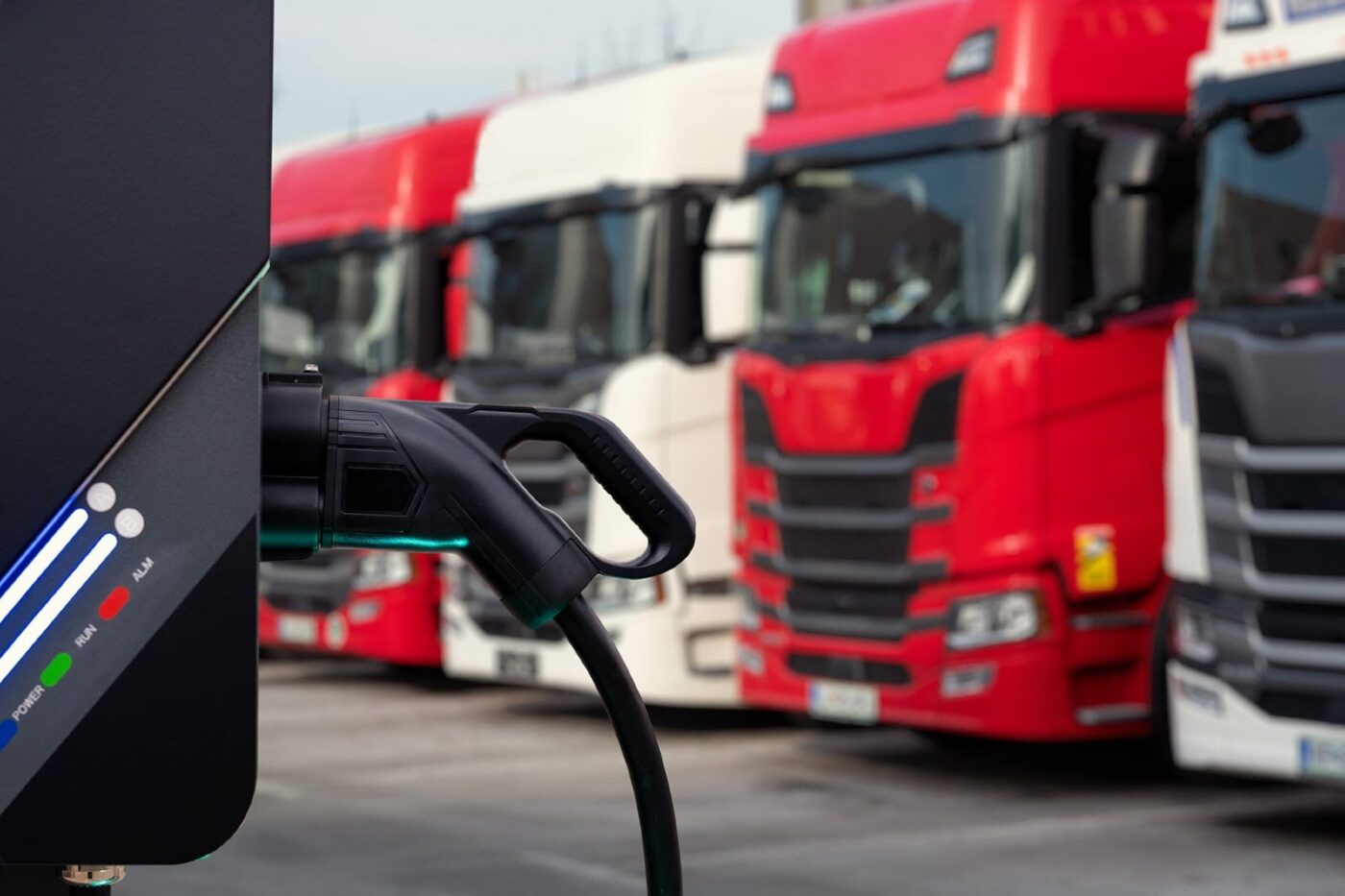
The British government has allocated an additional £18 million ($22.9 million) to support the adoption of electric lorries, increasing purchase incentives for freight forwarders and fleet operators as part of a broader push to decarbonise road transport.
The funding, announced by the UK government and administered through the Plug-in Van and Truck Grant, raises maximum subsidies sharply depending on vehicle weight. Electric lorries weighing more than 26 tonnes can now qualify for grants of up to £120,000, while smaller electric heavy goods vehicles (HGVs) are eligible for support ranging from £20,000 to £80,000.
The new funding extends the scheme until the end of March 2026 and adds four months of enhanced incentives. It forms part of a wider £318 million package aimed at accelerating the transition to lower-emission freight transport.
The Department for Transport said the higher grants are intended to address the higher upfront cost of electric HGVs compared with diesel vehicles, even as operating costs for electric trucks are often lower. “The increased Plug-in Truck Grant will help businesses realise these daily savings, reducing both their costs and emissions,” the department said.
Keir Mather, the UK’s Minister for Aviation, Maritime and Decarbonisation, said the move was designed to give the freight industry greater confidence to invest. “We’re backing British businesses to go green by making electric lorries more affordable, helping hauliers to make the switch whilst turbocharging growth, investment and jobs in the sector,” he said.
Under the updated scheme, electric HGVs between 4.25 and 12 tonnes are eligible for up to £20,000, vehicles between 12 and 18 tonnes for £60,000, and those between 18 and 26 tonnes for £80,000. The grants are available to plug-in HGVs, though most qualifying models are fully battery-electric, as hybrid options remain limited in the sector.
The policy builds on earlier measures, including the Zero Emission HGV & Infrastructure Demonstrator (ZEHID) programme launched in 2023, which provides £200 million in funding for large-scale trials involving logistics firms and truck manufacturers. Nearly 300 zero-emission HGVs are expected to be deployed through that scheme by March 2026.
Alongside the financial incentives, the government said it will consult with industry on a regulatory roadmap for phasing out new non-zero-emission HGVs by 2040, aiming to provide longer-term clarity for investment decisions.