


July U.S. electric vehicle (EV) sales showed year-over-year growth, but analysts warn that tariffs and the imminent end of federal tax credits could reshape market dynamics in the coming months.
New-vehicle sales increased 6.6% compared with the same month last year, even as dealer inventory declined for the first time since 2022. Much of the demand appeared driven by a “buy now” mentality, as shoppers sought to lock in deals ahead of potential price hikes from tariffs and the scheduled expiration of the $7,500 federal EV tax credit at the end of September.

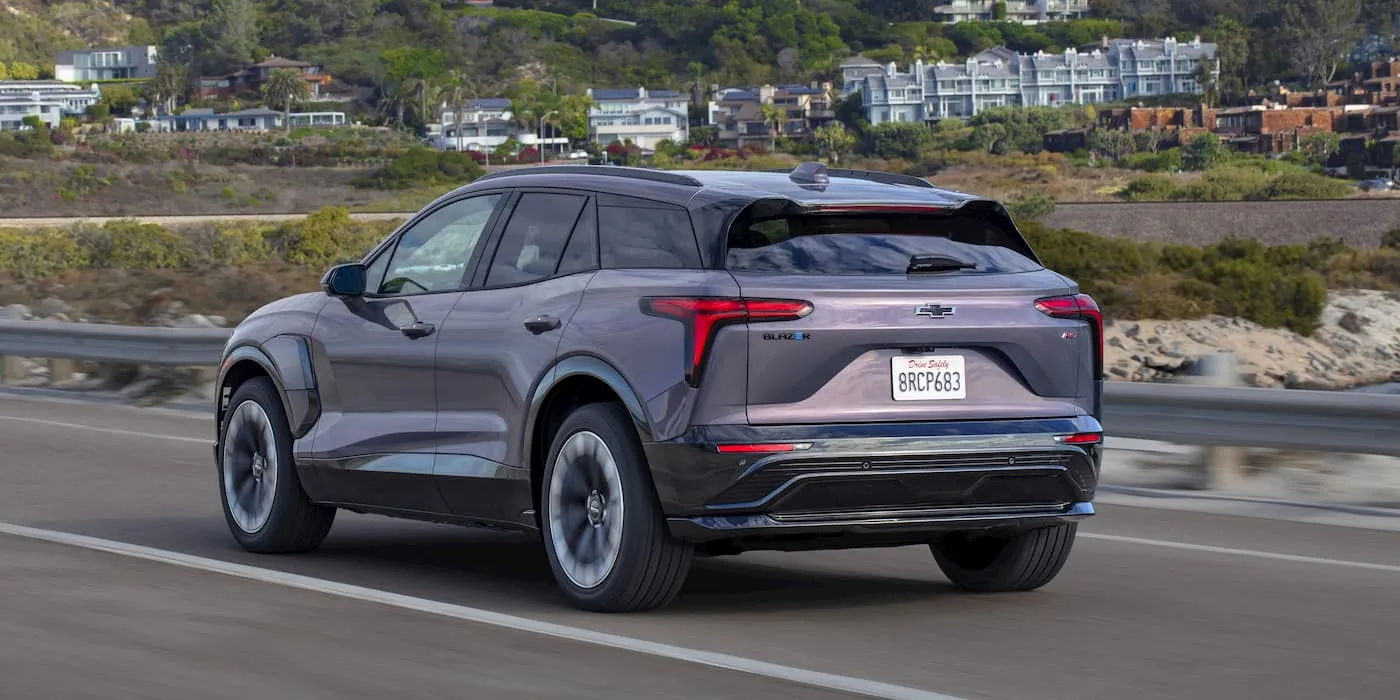
While the market now offers 75 EV models—a 27% increase from last year—inventory growth has slowed to 9% year-over-year, the lowest rate since federal incentives were revived under the Inflation Reduction Act. Analysts anticipate another surge in purchases before the tax credit ends, but higher prices could curb demand afterward, particularly given that most new EVs remain in the premium-to-luxury price range.
Automakers absorbed an estimated $12 billion in tariff costs in the second quarter to keep prices steady, a practice that may not continue. At current 25% tariff levels, average new-vehicle prices could rise from $48,000 to $54,400, while a reduction to 15% would still add more than $4,000.

The used EV market is expanding, with inventory up 33% year-over-year and average prices declining 2% to $36,000. Models priced under $25,000—including the Tesla Model 3, Nissan Leaf, and Chevrolet Bolt EV—are selling roughly 20% faster than average. Many of these vehicles qualify for the $4,000 used-EV tax credit, which, like the new-vehicle incentive, is set to expire on September 30.