

U.S. electric vehicle (EV) sales hit a record high for the first half of 2025, with 607,089 new battery electric vehicles registered, up 1.5% from the same period a year earlier, according to data from Kelley Blue Book. The increase was driven by strong first-quarter results, despite a year-on-year decline in second-quarter deliveries.
Sales in the second quarter totaled 310,839 units, down 6.3% from Q2 2024. Analysts attribute the decline to consumer hesitation amid uncertainty over the federal EV tax credit, which is set to expire earlier than expected at the end of September. Industry observers expect a spike in third-quarter sales as buyers move to take advantage of the remaining incentives.
“The year-over-year decline in Q2 was only the third on record, and a sign of a more mature market,” said Stephanie Valdez Streaty, senior analyst at Cox Automotive. She added that the increase from Q1 could mark the beginning of a short-term surge before the incentive phase-out.
Kelley Blue Book projects that Q3 could see record volumes, followed by a significant decline in Q4 as the market adjusts to the end of the federal subsidy. The outlook for 2026 remains uncertain, with no clear indication of how the policy change will affect long-term demand.
Tesla maintained its position as the leading EV brand in the U.S., though it experienced a 12% decline in Q2 sales to 143,535 units. Its first-half total reached 271,635 units, accounting for a 44.7% market share—down from 50.1% in the previous year. Chevrolet ranked second with 47,639 units in H1, including 28,453 in Q2, helping General Motors capture a 12.9% market share. Ford followed with 38,988 EVs sold in the first half.
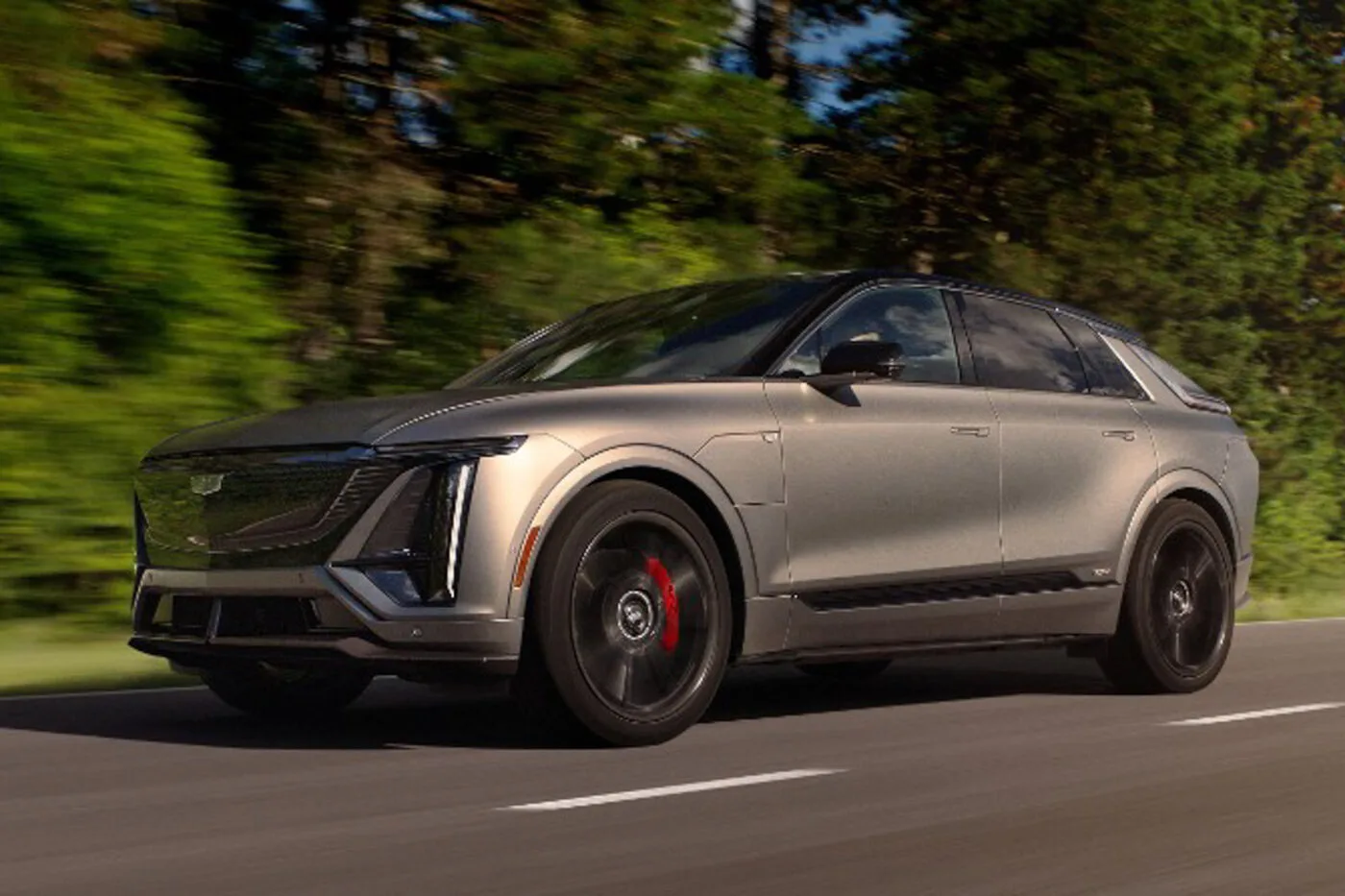
Other automakers recording five-digit EV sales in Q2 included Hyundai, Cadillac, BMW, and Rivian. German brands had mixed results: BMW led with 11,094 EVs sold, Audi rose 4.6% to 5,654 units, while Mercedes-Benz dropped sharply by 52% to 4,611. Volkswagen increased sales by 55.1% to 2,556 units, while Porsche outpaced its sibling brand with 2,833 units—largely boosted by the new electric Macan.
While the short-term outlook suggests strong performance through Q3, industry analysts are watching closely to see how the market adjusts once government incentives are withdrawn.