
Two major carmakers, Toyota and Stellantis, are set to withdraw from the European CO₂ compliance pool centred around Tesla for 2026, potentially removing two of the largest contributors to the EV maker’s regulatory credit revenue in the region.
Under European Union rules, automakers may form CO₂ pools that combine the emissions of multiple manufacturers into a single fleet for compliance purposes. Companies with large shares of electric vehicles can offset emissions from partners with higher CO₂ output, helping them avoid EU penalties in exchange for financial payments to the low-emission partners.
According to reporting by automotive analyst Matthias Schmidt, Toyota and Stellantis—along with Stellantis’ Chinese partner Leapmotor—will not participate in the Tesla pool for the 2026 compliance year. EU documents list the remaining members as Tesla, Ford Motor, Honda Motor, Mazda Motor and Suzuki Motor.
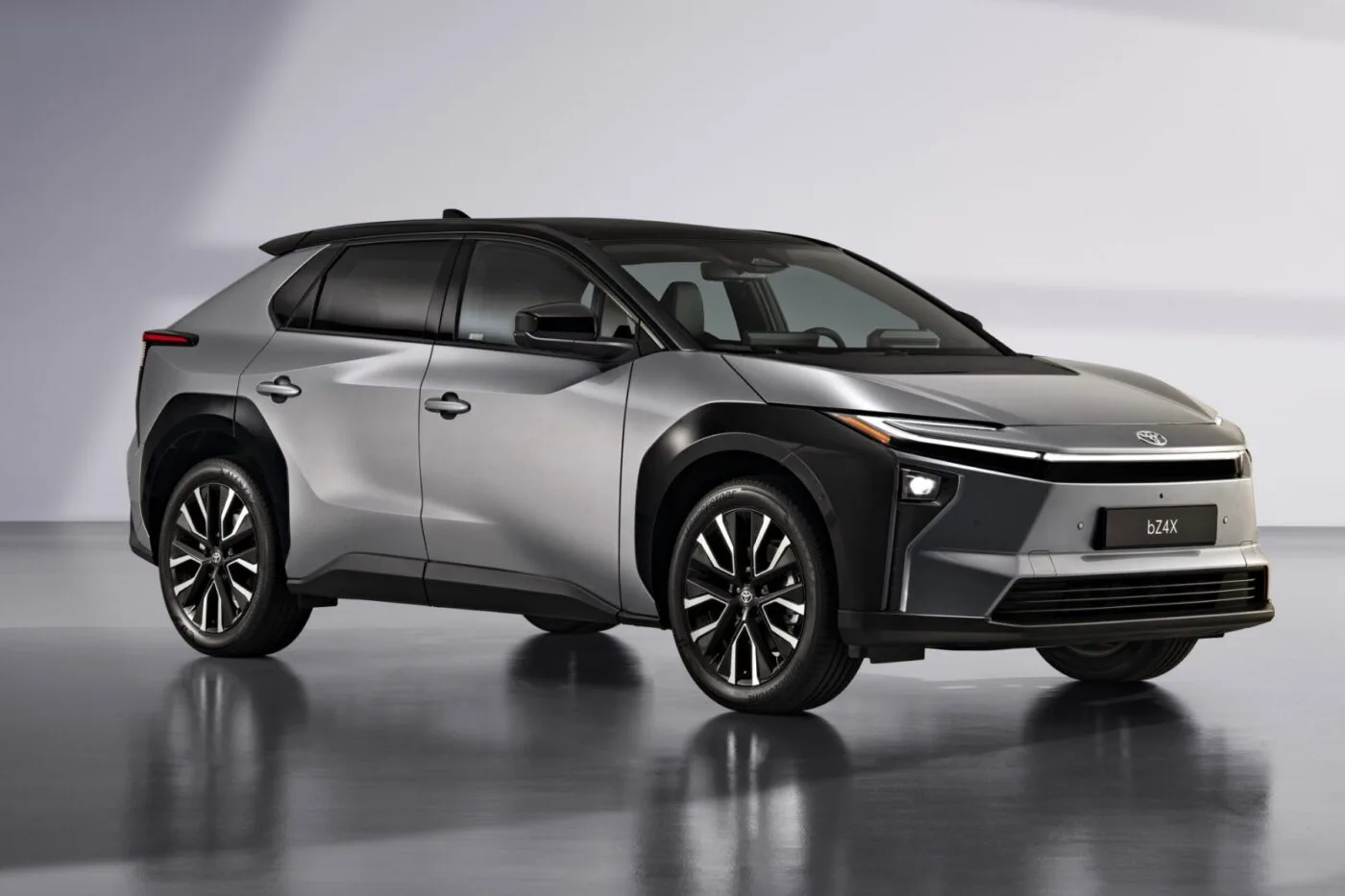
While the companies have not publicly detailed their reasons, industry observers suggest that Toyota expects to meet EU emissions targets independently. The company has maintained a high share of hybrid vehicles in Europe and is expanding its battery-electric lineup, including models such as the Toyota bZ4X and the new Toyota Urban Cruiser.
Stellantis, which narrowly missed its 2025 emissions target in some forecasts, may instead rely on its partnership with Leapmotor to support compliance. The two companies operate the joint venture Leapmotor International to manage sales and production outside China.
Production of the Leapmotor T03 is expected to begin later this year at a Stellantis plant in Spain. Analysts say local production could help avoid import tariffs and strengthen the brand’s competitiveness in Europe.
The shift could affect Tesla’s income from regulatory credits in Europe, which have historically contributed significantly to the company’s profitability. However, Tesla has already indicated that such revenue streams are becoming less central to its business model globally.
The situation could still change before the final compliance deadline. Under EU rules, CO₂ pools must be formally registered by 1 December of the respective year, leaving time for automakers to adjust their strategies depending on market developments.