



Tesla has obtained regulatory approval from Nevada’s Department of Motor Vehicles (DMV) to begin testing its autonomous vehicle technology on public roads, marking the company’s next step in expanding its robotaxi program beyond Texas.
The testing permit, which provides Tesla with a Certificate of Compliance and specialized license plates for its fleet, was first noted by Tesla influencer Sawyer Merritt. The approval comes two months after CEO Elon Musk signaled plans to broaden the company’s autonomous ride-hailing footprint.
“We are expecting to greatly increase the service area to well in excess of what competitors are doing,” Musk said during Tesla’s second-quarter earnings call in July. He added that the company aims to have autonomous ride-hailing operating across roughly half of the U.S. population by year-end, subject to regulatory approval.
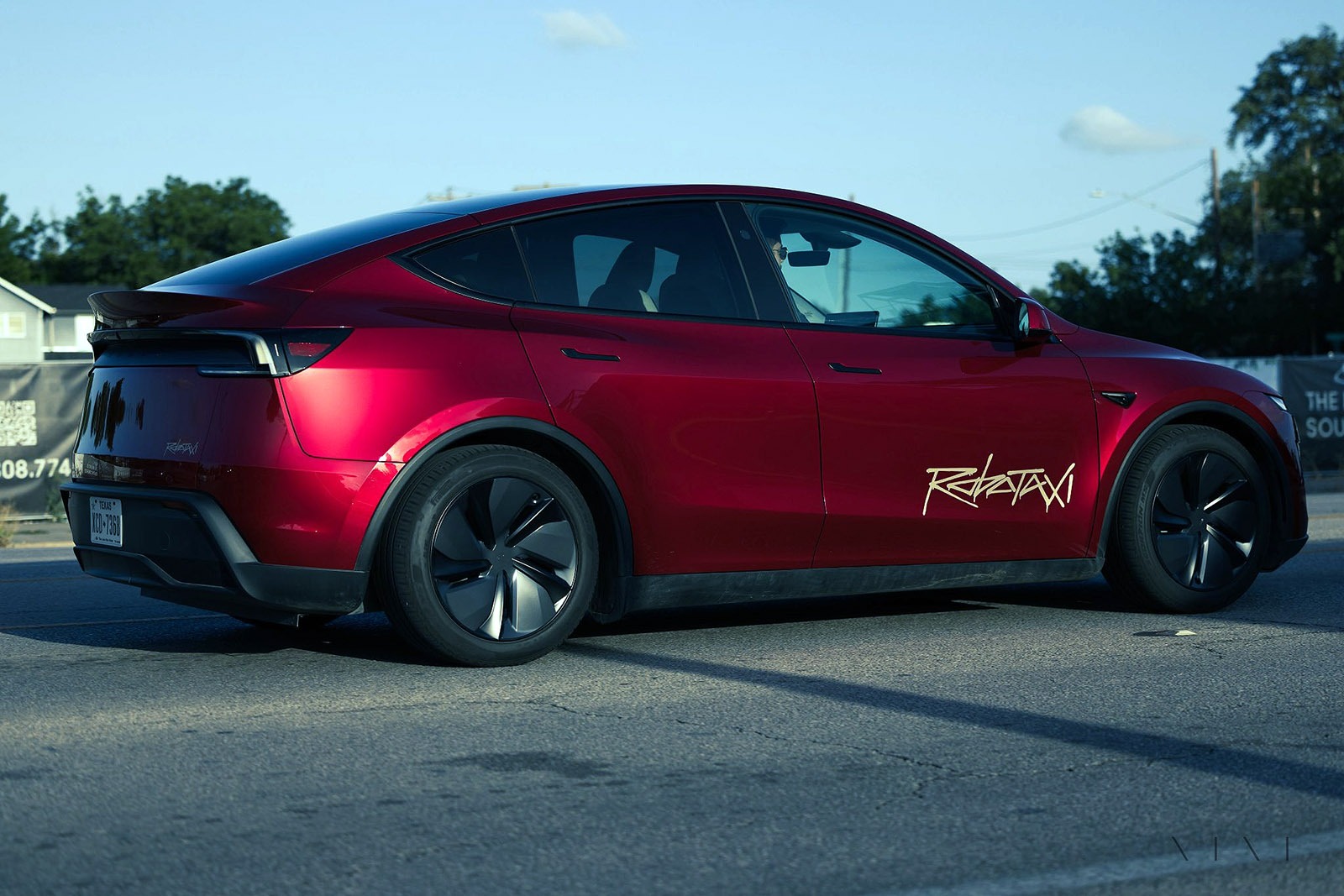
Tesla began offering driverless rides in its Model Y SUVs in Austin this summer, with a company employee sitting in the passenger seat. The service, launched in South Austin, has since expanded to cover more of the city.
Nevada offers a more streamlined path for AV testing than California. Companies must submit a testing registry form, provide proof of $5 million insurance coverage, and report any incidents to the DMV within 10 days. Once approved, they are cleared to operate test vehicles equipped with red license plates.
The state has positioned itself as an AV testing hub, hosting trials from companies such as Motional, Lyft, and Nuro. Amazon-owned Zoox has become particularly visible in Las Vegas with its purpose-built robotaxis, which began offering free public rides earlier this week.
If Tesla moves to launch a commercial robotaxi business in Nevada, it will require additional approval from the Nevada Transportation Authority to operate as an autonomous vehicle network company.


