
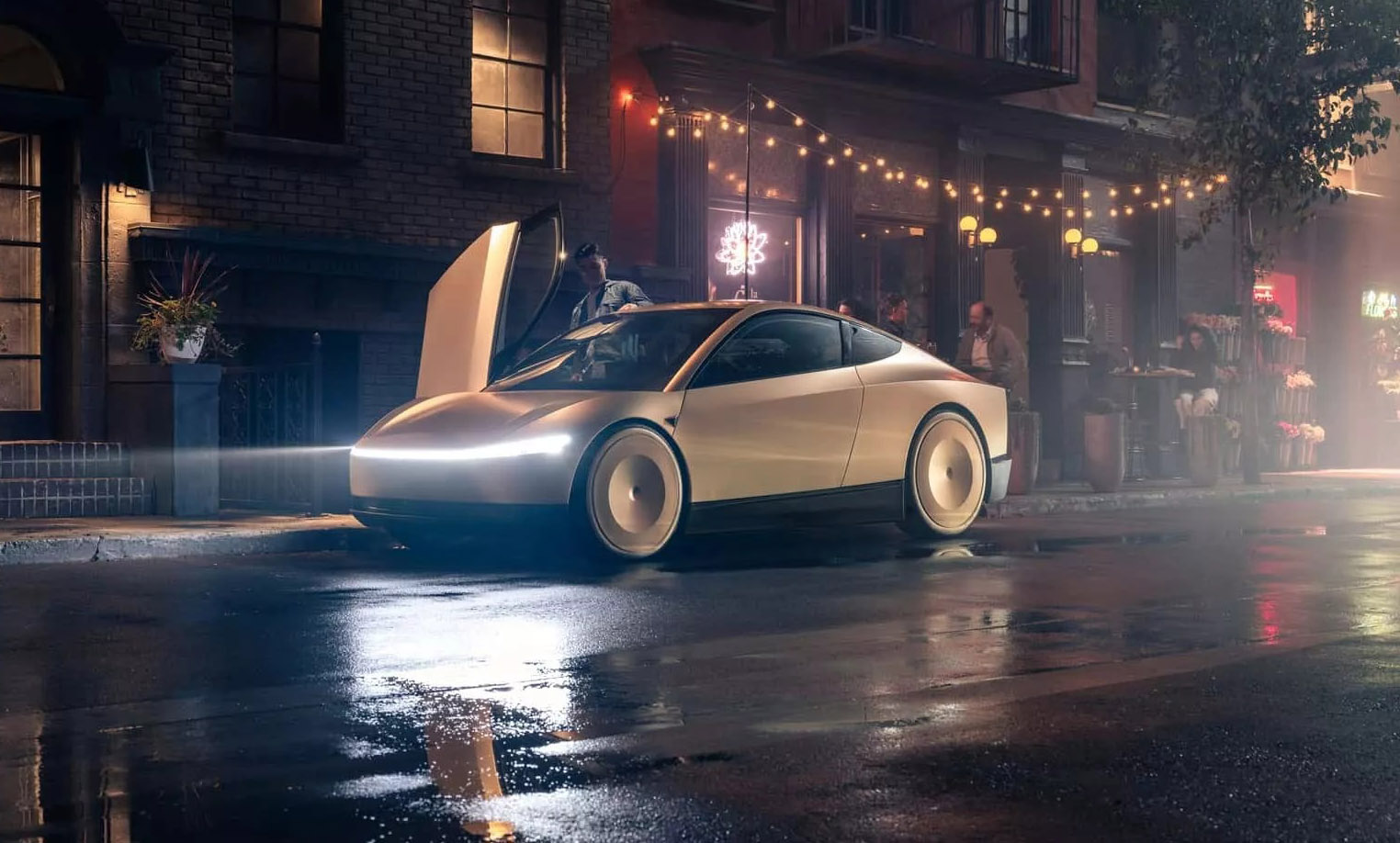
Tesla plans to begin selling its Cybercab autonomous vehicle to customers by the end of 2026, despite an ongoing federal investigation into whether the steering-wheel-free, two-seat vehicle complies with US motor vehicle safety standards.
Tesla Plans Third-Party Cybercab Sales
During Tesla’s third-quarter earnings call on Wednesday, Vice President of Engineering Lars Moravy said Cybercabs currently being produced are destined for Tesla’s own robotaxi fleet. As production and fleet operations expand, the company plans to begin delivering autonomous vehicles to external customers on a limited scale.
Moravy said Tesla would gradually increase deliveries as it gains experience managing autonomous vehicle ownership and fleet operations.
The company first indicated last month that it might sell Cybercabs to third parties around its Cybercab event in Austin, Texas, where it also published a form for prospective buyers.
Cybercab Designed Primarily for Robotaxi Services
Tesla CEO Elon Musk has described the Cybercab primarily as a vehicle for ride-hailing rather than private ownership.
“Cybercab is primarily going to be something that is offered as like transport as a service.”
Musk said most Cybercabs would remain Tesla-owned and operate as part of its transportation service. This approach differs from Tesla’s earlier strategy of turning privately owned vehicles into robotaxis through software updates.
Tesla currently offers Full Self-Driving (Supervised), an advanced driver-assistance system that still requires a human driver to remain attentive and ready to take control.
Musk said an unsupervised version of Full Self-Driving is expected to reach customers in the second quarter of 2027. If both timelines hold, third-party fleet operators could obtain Cybercabs before existing Tesla owners gain access to the planned unsupervised driving capability in their own vehicles.
NHTSA Investigation Raises Regulatory Questions
The National Highway Traffic Safety Administration (NHTSA) opened an investigation into the Cybercab last month, shortly after the vehicles began operating on public roads in Austin.
The vehicle lacks traditional manual controls, including a steering wheel and brake pedals. Existing Federal Motor Vehicle Safety Standards also require features such as rearview and side mirrors, creating regulatory questions for vehicles designed to operate autonomously.
Automakers generally self-certify that their vehicles comply with federal safety standards. NHTSA said its investigation would examine the process and technical data Tesla used to certify the Cybercab, along with related issues.
The US Department of Transportation has proposed removing certain manual-control requirements for vehicles designed to operate autonomously. However, the regulatory process remains relevant to the Cybercab’s potential deployment.
The investigation’s outcome could affect whether Tesla and third-party operators can legally sell and operate the vehicle. As a result, Tesla’s planned year-end sales target will depend not only on production and fleet development but also on the regulatory framework governing vehicles without conventional driving controls.