



Tesla is enhancing its Full Self-Driving (FSD) software to account for a growing number of edge case scenarios, aiming to improve autonomous driving performance and prepare for a broader rollout of its unsupervised version by year-end.
The latest developments in FSD include handling complex road conditions such as occluded reverse cut-ins, dynamic debris, and high-speed encounters with pedestrians. Tesla has also added the ability to navigate non-driving tasks, such as recognizing the end of a payment transaction at toll booths or parking stations.
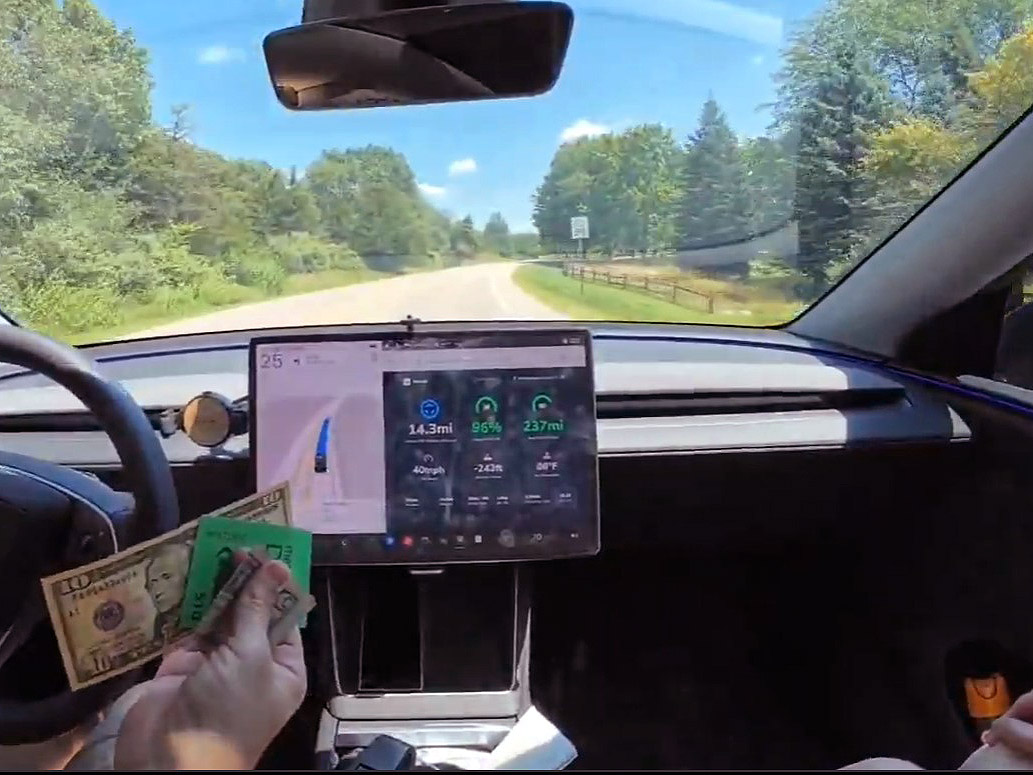
In one test, a Model Y vehicle using FSD version 13.2.9 was able to observe a transaction through its cameras and autonomously depart once the exchange was complete—without requiring a signal or barrier to move.
Currently, the unsupervised branch of FSD is limited to select Model Y vehicles operating pilot Robotaxi rides in Austin, with expansion to California planned. Some of these vehicles have already demonstrated the ability to transport themselves directly from production lines to their parking spaces.
However, not all Tesla owners will benefit from the latest improvements. Vehicles equipped with older HW3 hardware may not support the full range of autonomous features. Elon Musk has previously stated that free HW4 retrofits would be offered if Tesla is unable to enable unsupervised FSD on those older models.


