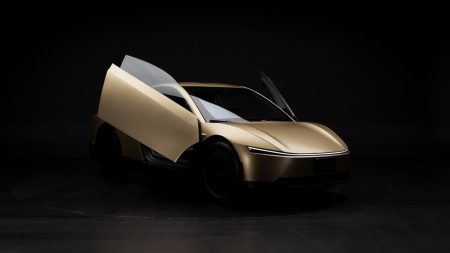


Tesla (TSLA.O) is preparing to expand its robotaxi pilot service to the San Francisco Bay Area within the next one to two months, contingent on obtaining regulatory approvals, CEO Elon Musk said on Wednesday via his social media platform X.
The move follows Tesla’s limited rollout of its long-promised autonomous ride-hailing service in Austin, Texas last month. That test involved a small fleet of vehicles, a restricted service area, select users, and the presence of a safety monitor in the front passenger seat. Musk noted that Tesla will expand coverage to a “larger area in Austin this weekend,” though he did not detail the specific boundaries of the expansion.
When asked about extending the pilot to the Bay Area, Musk responded: “Waiting on regulatory approvals, but probably in a month or two.”
Tesla’s plans to commercialize robotaxis are seen as central to the company’s long-term valuation, especially as its current EV product lineup matures and faces increasing competition. Analysts and investors are closely watching developments in the space, which Musk has positioned as a cornerstone of Tesla’s artificial intelligence ambitions.
Bringing autonomous services to California, however, may prove more complex than in Texas. While Tesla faced minimal regulatory hurdles in Austin, California requires detailed testing data and a range of permits from the state’s Department of Motor Vehicles (DMV) and the California Public Utilities Commission (CPUC) before firms can charge passengers for autonomous rides.
In March, the CPUC granted Tesla an initial approval, marking the first step in a multistage regulatory process. The DMV and CPUC have not commented publicly on Tesla’s pending applications.
Tesla’s Austin trial has drawn mixed reviews, with videos posted by early users revealing multiple traffic mishaps and unexpected vehicle behavior. The service remains under close scrutiny amid broader concerns about safety, cost, and feasibility that have dogged the self-driving vehicle industry. General Motors’ Cruise unit recently suspended operations, and other firms have scaled back efforts due to high operational and regulatory barriers.
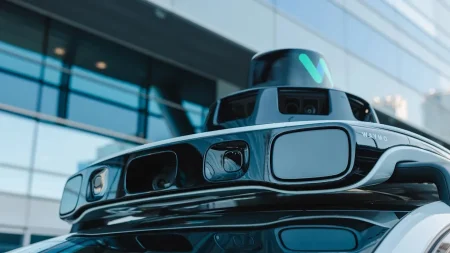
Until Tesla’s pilot launch, Alphabet’s Waymo had been the only company operating driverless robotaxis with fare-paying passengers. Waymo has grown its fleet to approximately 1,500 vehicles and now serves several U.S. cities including San Francisco, Los Angeles, Phoenix, Austin, and Atlanta.