
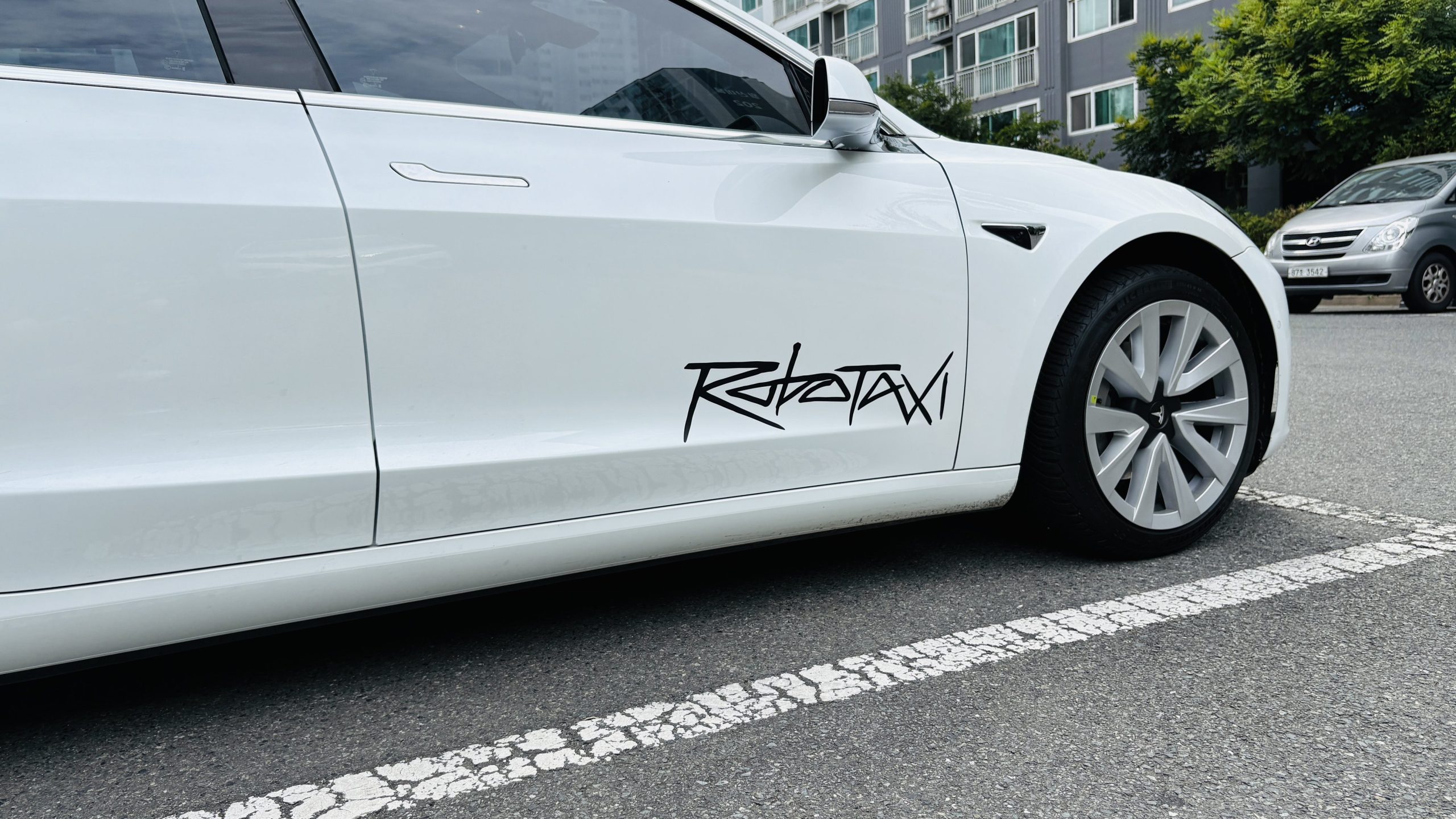
Tesla has expanded its robotaxi operations in Austin, Texas, with vehicles now permitted to drive on highways and safety operators repositioned from the passenger seat to the driver’s seat, marking a new phase in the company’s self-driving program.
Until now, Tesla’s autonomous fleet in Austin had been limited to city streets, where vehicles were monitored at lower speeds. The move onto highways introduces more complex requirements such as lane merging, speed management and navigating interchanges, placing greater demands on the company’s Full Self-Driving (FSD) software.
At the same time, Tesla has shifted its safety operators back behind the wheel, after previously seating them in the passenger seat to emphasize the cars’ autonomy. The adjustment reflects the higher speeds involved in highway driving and ensures quicker human intervention if needed.
The changes follow Tesla’s June 22 launch of its robotaxi service in Texas, which has since expanded to cover more areas of Austin. The company also operates trials in California’s Bay Area, though there regulations require safety operators to remain in the driver’s seat at all times.