


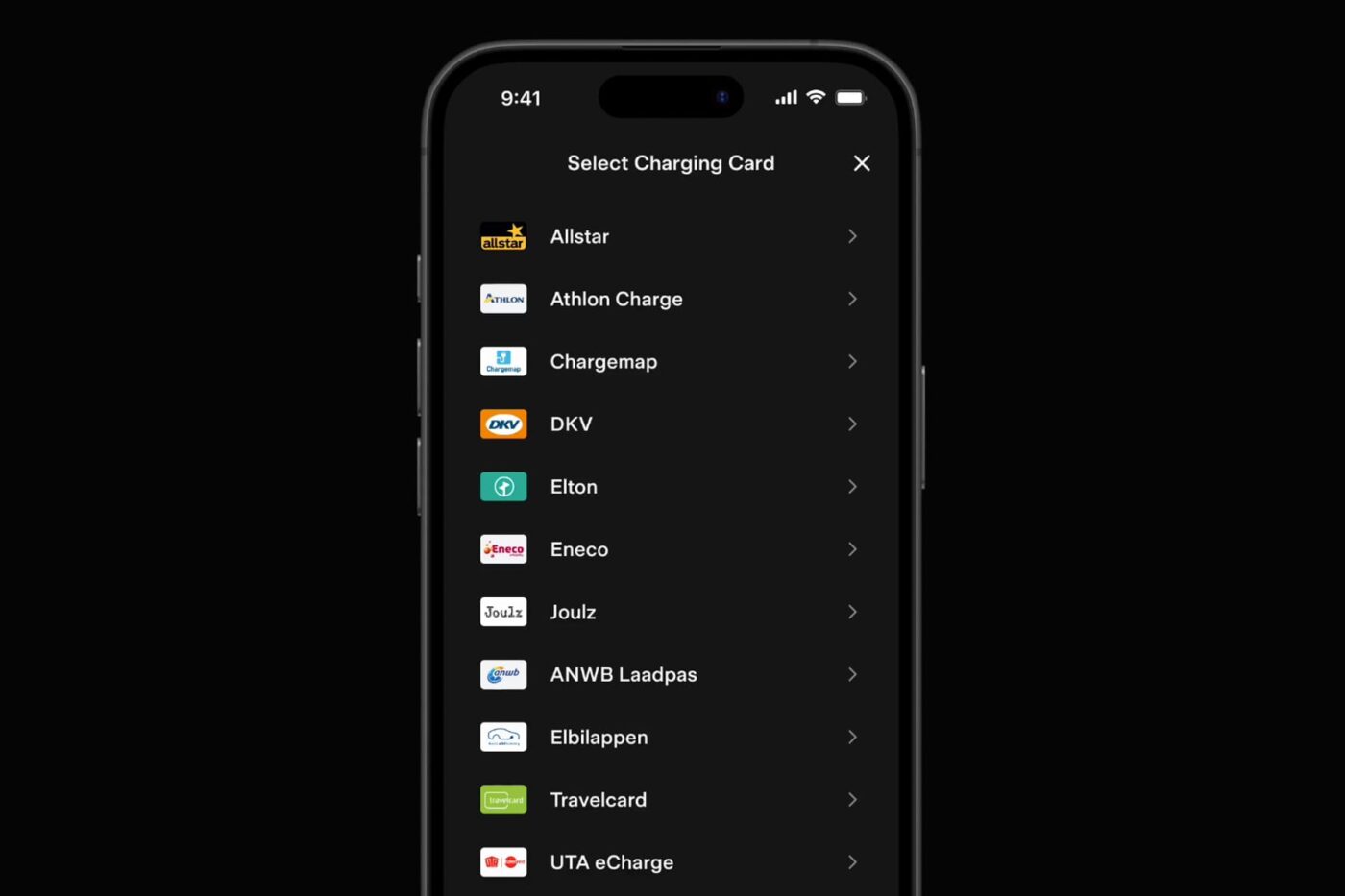
Tesla has introduced support for charging cards as a payment method for its Supercharger network in Europe, expanding options for both Tesla drivers and third-party EV users. While charging cards still cannot be used directly at the charging stalls, they can now be stored in the Tesla app, allowing session costs to be billed through the selected card rather than a linked credit card.
The update initially supports 34 charging cards, with more than 40 additional options expected in the coming weeks. Once registered, Tesla vehicles continue to initiate charging automatically when plugged in, while non-Tesla vehicles still need to activate sessions manually through the Tesla app.
“We’re onboarding charge cards to the Tesla App in Europe. Tesla drivers can now add this payment method for Supercharger use. 34 cards are live today, with 40+ more coming in the next few weeks,” the @TeslaCharging account posted on X. A demonstration video shows the app interface and highlights accepted services including DKV Mobility, UTA eCharge, Chargemap, Fleetcor’s Travelcard, Avia Volt Suisse, enercity EasyGo, and manufacturer services such as Polestar Charge and Cadillac Charge.
Uncertainty remains regarding which tariff will apply when charging with a card—Tesla’s own rates, third-party vehicle pricing, or the roaming tariff set by the charging card provider. Tesla confirmed that free Supercharger credits cannot be applied when using charging cards. Tesla had already enabled certain fleet cards—such as DKV Mobility and Travelcard—since late 2023, and the broader rollout builds on those earlier integrations.
The update is part of ongoing enhancements to Tesla’s charging services. In recent weeks, the company introduced its MultiPass feature in Europe, enabling Supercharger users to access other networks via a Tesla account. Tesla has also begun sharing real-time Supercharger availability data with Google Maps, allowing users to view stall occupancy directly within the navigation app.