


Chinese autonomous vehicle developer TEEMO has secured a road test license for autonomous vehicles in Tongxiang, Jiaxing, marking a regulatory milestone that clears the way for expanded on-road testing and faster commercialization, the company said.
The approval authorizes TEEMO to conduct large-scale road tests in the region and formally recognizes the company’s core technological capabilities in safety, stability and system reliability. The license also allows TEEMO to integrate its vehicles into Tongxiang’s intelligent connected vehicle (ICV) ecosystem and cloud-based traffic management platform, enabling broader multi-scenario validation in real-world conditions.
See also: GAC AION And DiDi Deliver First Batch Of R2 Robotaxis, Clear Road Testing In Guangzhou
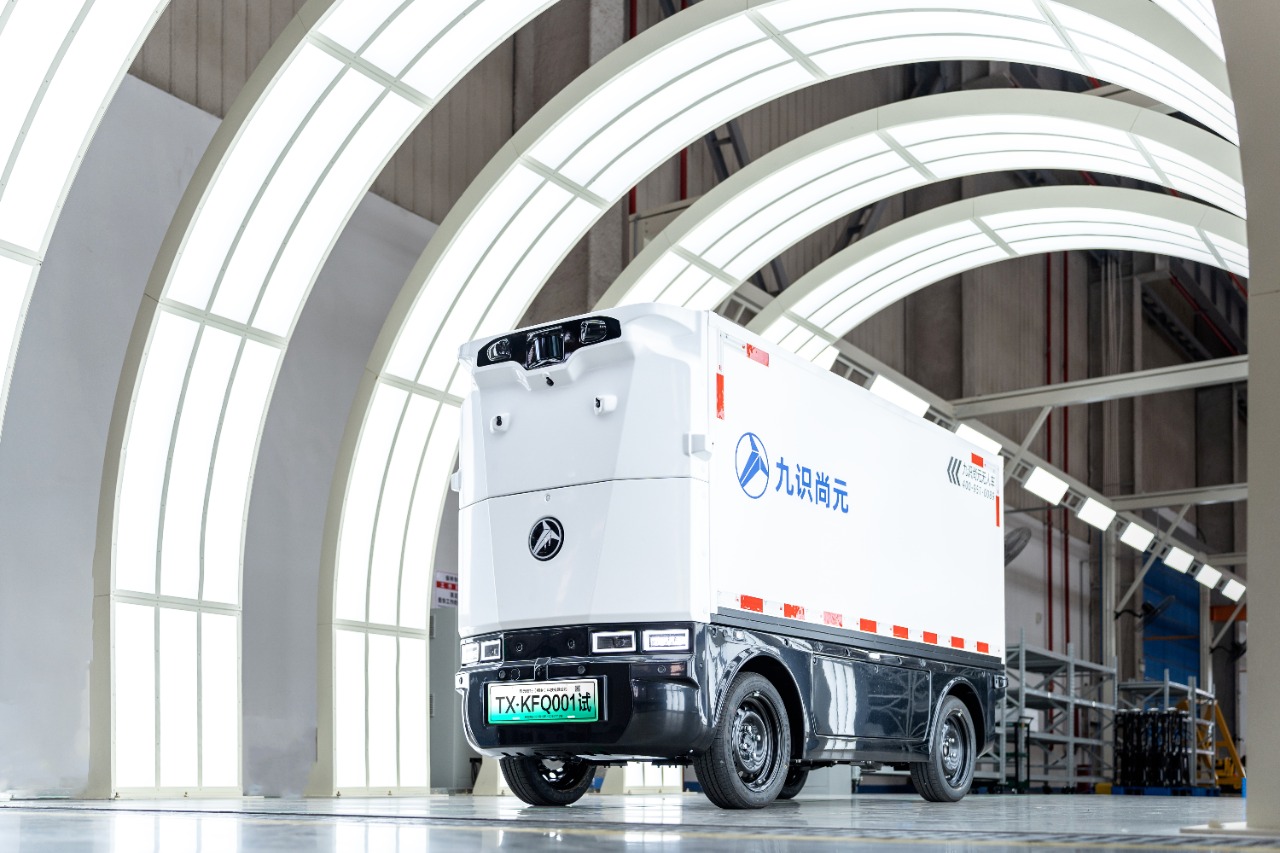
TEEMO said it has been building a systematic approach spanning underlying vehicle systems, engineering integration and test management. Its autonomous platform is based on proprietary steer-by-wire components and a smart skateboard chassis architecture, which the company said allows technologies to be reused across different vehicle models within its unmanned fleet.
The company has developed a diversified product lineup tailored to logistics, security patrol and passenger transport applications, with several flagship models already operating in live environments for validation. These include the T3 series 3-cubic-meter unmanned logistics vehicle for park-based and urban last-mile delivery, the smaller T1 series designed for high-frequency security patrols, and the Yokee series 14-seat autonomous sightseeing bus for use in campuses, industrial parks and tourist destinations.
See also: China State Media Rejects Musk’s Timeline for Tesla FSD Approval
TEEMO said ongoing validation across these models has helped establish a mature technical framework supporting its autonomous driving capabilities. With the Tongxiang license in place, the company plans to further refine vehicle performance through expanded road testing and prepare for future commercial pilot programs.
The move aligns with broader efforts in Tongxiang and Jiaxing to develop intelligent connected vehicle infrastructure, as local governments seek to promote the high-quality growth of the regional ICV industry through testing, validation and early-stage commercialization.