



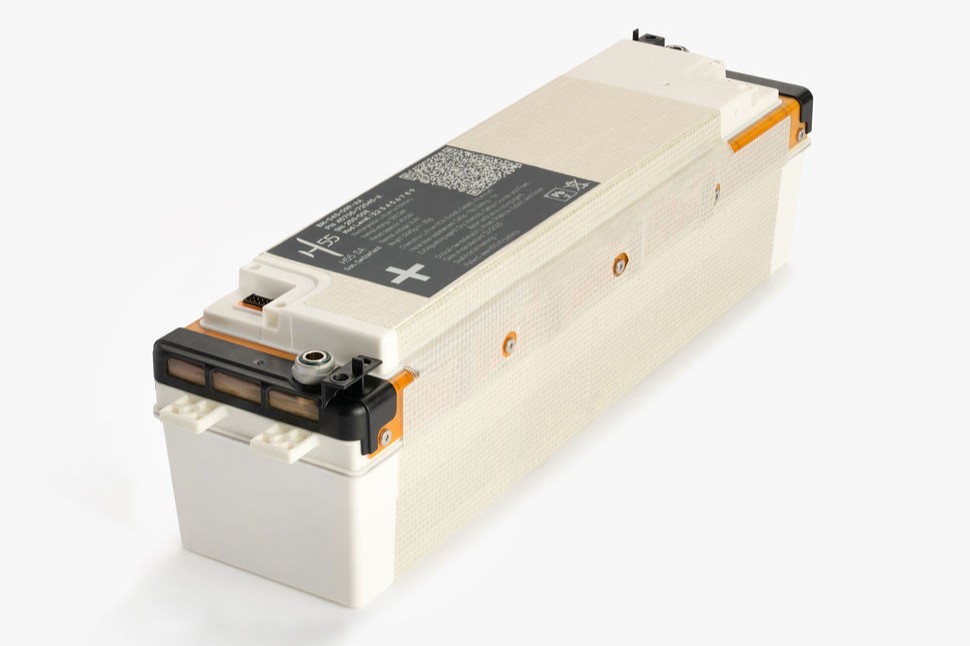
H55, a Swiss startup developing electric propulsion technologies for aircraft, has completed a European aviation regulator-monitored certification test programme for its propulsion battery modules, marking a step forward for electric and hybrid-electric aviation.
The company said the test series, conducted under the oversight of the European Union Aviation Safety Agency, demonstrated that commercial lithium battery cells can be safely integrated into aircraft propulsion systems, including under worst-case scenarios such as internal fire propagation. Final certification has not yet been granted, with H55 preparing documentation for submission to EASA in the first quarter of 2026.
See also: Eve Air Mobility Raises $150 Million in Debt to Advance Electric Air Taxi Program
“By providing monitoring, active and passive protections of every individual cell, H55 transforms the propulsion battery from a ‘black box’ of latent risk into an actuarially transparent asset,” said Rob Solomon, chief executive of H55. “What’s most exciting is the engine-like business model this enables for H55.”
The company said its approach focuses on damage mitigation at the individual battery cell level, rather than relying on pack-level assumptions commonly used in other designs. Chief technology officer Sébastien Aymon-Demont said this architecture improves safety while also supporting efficiency, performance and long-term reliability, which are key requirements for aviation certification.
See also: Joby Aviation Partners With Metropolis to Develop U.S. Vertiport Network
H55 traces its origins to the Solar Impulse programme led by aviation pioneers André Borschberg and Bertrand Piccard. The company has logged more than 2,000 accident-free flight hours with electric systems, including tests of the Bristell Energic two-seat aircraft that began in 2019. H55 positions itself as a supplier of electric propulsion systems rather than an aircraft manufacturer.
The battery test campaign was carried out at a certified production facility using series-conform hardware produced through validated manufacturing processes, rather than prototypes. H55 said this demonstrates its ability to design and build propulsion battery systems that meet certification standards on regulator-approved production lines.
See also: Xpeng Flying Car Unit Aridge Files Confidentially for Hong Kong IPO, Bloomberg Reports
According to the company, the completed test programme establishes a repeatable certification pathway that can be applied across multiple aircraft platforms. H55 said the same certification evidence is intended to support projects including the BRM B23 Energic, CAE’s transition toward fully electric pilot training aircraft, and the Dash 8 hybrid-electric demonstrator programme with Pratt & Whitney Canada.


