
Researchers at Chalmers University of Technology have developed an artificial intelligence-based charging method designed to reduce battery degradation in electric vehicles while maintaining current fast-charging speeds.
The research team said the new approach could extend battery lifespan by almost 23% compared with conventional fast-charging methods without significantly increasing charging times.
The study focused on improving DC fast charging, which is widely used for electric vehicles but is also known to accelerate battery wear more quickly than slower AC charging systems.
“For taxis or heavy vehicles in industry, for example, access to fast charging means a lot, but this is also true for passenger cars,” said Changfu Zou, professor at the Department of Electrical Engineering at Chalmers University.
“Although private motorists usually charge their electric cars at home, the availability of fast charging outside the home is a crucial factor, as it facilitates commuting and driving over longer distances,” Zou added.
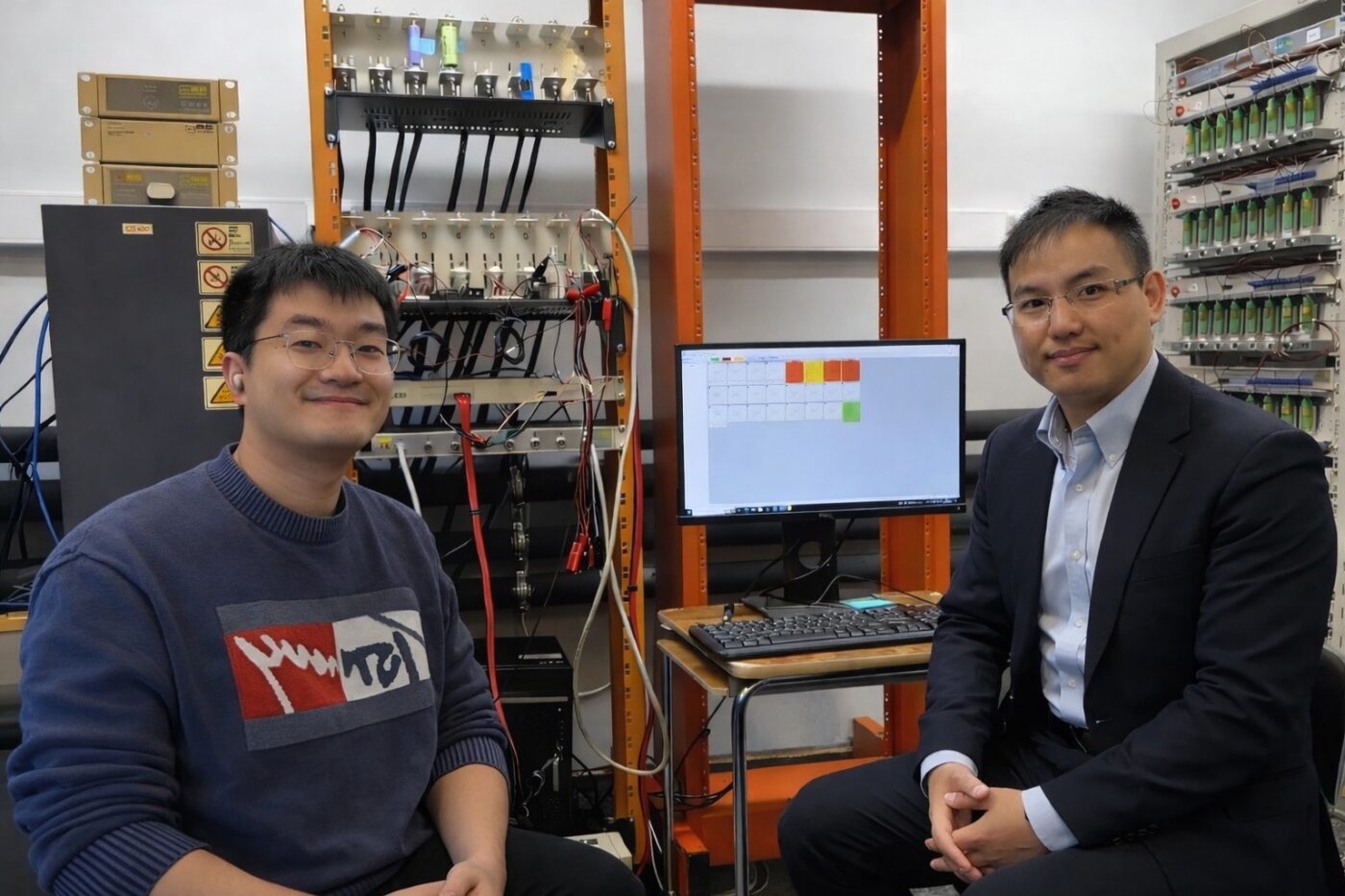
The project was carried out by Zou together with Meng Yuan, assistant professor at Victoria University of Wellington and former researcher at Chalmers University.
According to the researchers, the AI system uses reinforcement learning to adjust charging behaviour based on the condition and state of charge of the battery.
“We show that it is possible to charge more or less as fast as today, but with significantly less long-term degradation of the battery,” Yuan said.
The researchers explained that one of the major causes of battery degradation during rapid charging is lithium plating, a process in which metallic lithium deposits on battery electrodes instead of being properly stored within the cell structure.
Lithium plating can reduce battery capacity and, in severe cases, create safety risks including short circuits.
“The risk of lithium plating increases with the age of the battery,” Yuan said. “However, the standard methods of charging today use the same current and voltage regardless of whether the battery is new or has been used for years.”
The AI model was trained to optimise charging decisions by balancing charging speed with battery health conditions in real time.
According to the study, the resulting charging strategy reduces harmful electrochemical reactions while preserving charging performance.
The researchers said the technology could potentially be implemented through software updates to existing battery management systems, making deployment relatively cost-effective compared with hardware-based battery improvements.
However, the team noted that further adjustments and validation would still be required before the system could be adopted on a large commercial scale.
The research reflects growing industry efforts to improve electric vehicle battery durability as automakers and fleet operators seek to reduce long-term ownership costs and improve consumer confidence in EV technology.