





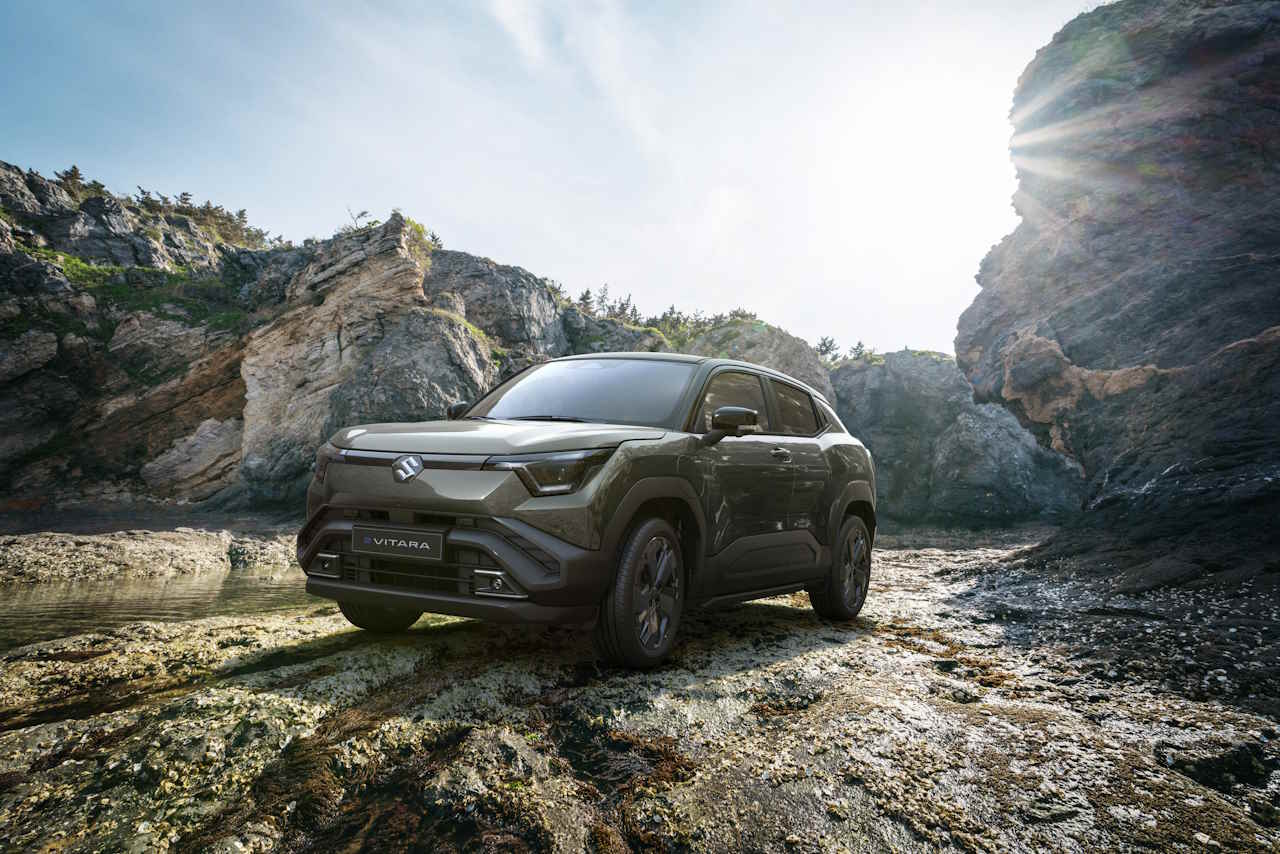
Qt Group announced that Suzuki has chosen its framework to power the digital cockpit of the automaker’s first battery electric vehicle, the e VITARA, marking a key step in Suzuki’s move toward Software-Defined Vehicles (SDV). The collaboration aims to bring intuitive and visually engaging digital experiences to a wider range of EV drivers.
The Qt framework will support Suzuki in creating advanced, responsive human-machine interfaces (HMI) on embedded vehicle hardware, addressing limitations in performance and cost. Leveraging Qt’s cross-platform tools, Suzuki can design, test, and reuse UI components across multiple models from a single codebase, reducing development time and costs while improving scalability and collaboration across the design and production process.
“We chose Qt for its ability to help us optimize development costs without falling into vendor lock-in, by leveraging Suzuki’s in-house GUI assets and deploying them across multiple platforms,” said Takashi Sunda, Managing Officer and Executive General Manager at Suzuki. “This approach enabled us to build a lineup of digital clusters with a unified graphic design, while also reshaping the roles and skill sets of our styling designers, HMI developers and unit developers. It’s a meaningful step forward for the future of Suzuki’s digital cluster development.”
Built on the open-source Automotive Grade Linux (AGL), the e VITARA cockpit allows Suzuki to deploy software on a common industry-standard platform. With nearly a decade of joint development between Qt and AGL, Suzuki gains a reliable foundation for scalable, high-quality HMI systems that meet automotive safety and compliance standards.
Juhapekka Niemi, Senior Vice President of Product Management at Qt Group, said, “Suzuki’s e VITARA is a great example of how Qt can help automakers bring premium digital experiences to a wider audience. This partnership is about making beautiful, responsive digital experiences more accessible across the automotive sector.”
The partnership positions Suzuki to offer mainstream EV customers smart, customizable, and visually refined digital cockpits, enhancing the overall driving experience while advancing the company’s long-term software-defined vehicle strategy.


