





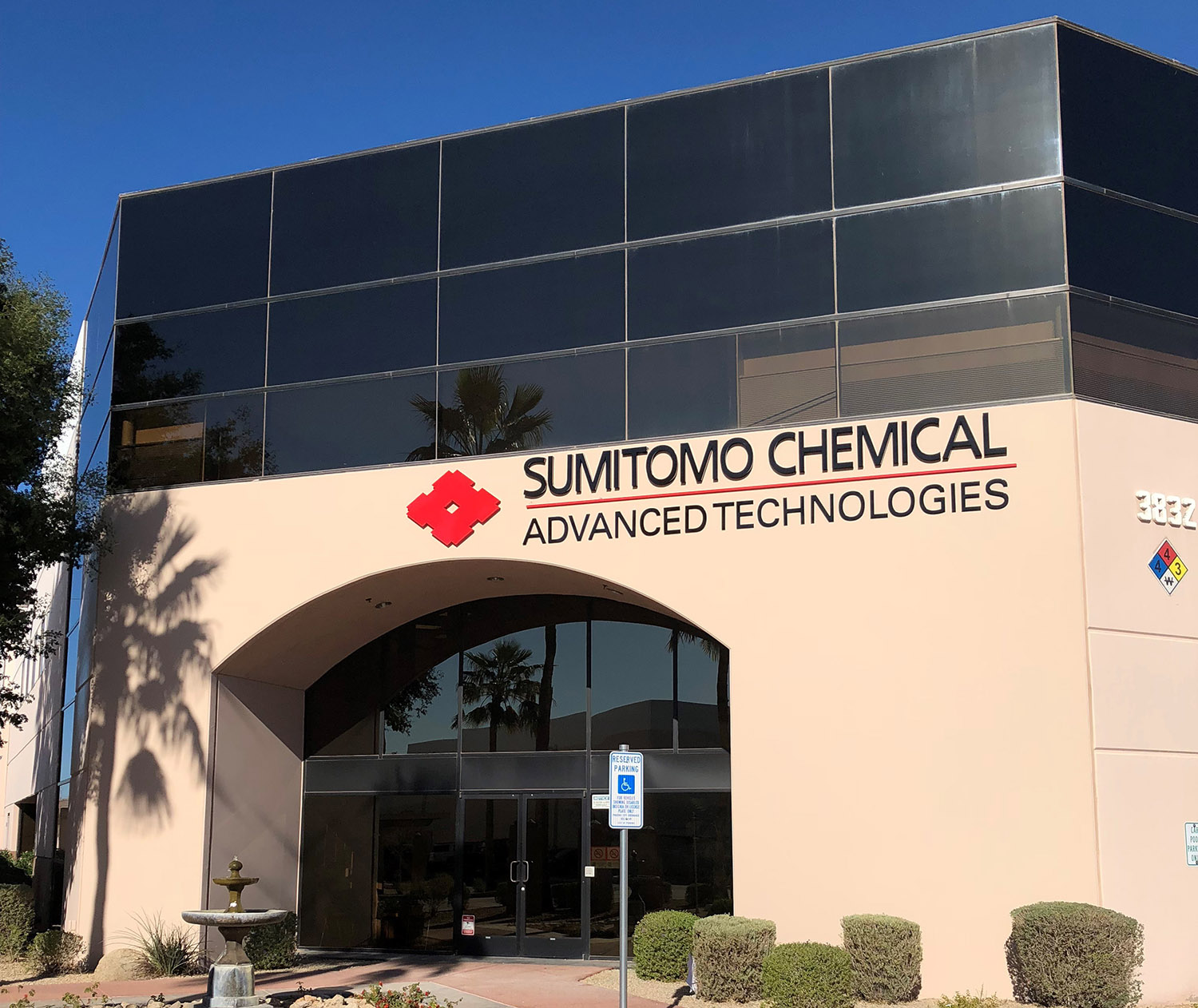
Sumitomo Chemical is preparing to commercialize a new halide-based electrolyte for solid-state batteries, aiming to reduce manufacturing costs while maintaining the high performance required for next-generation electric vehicle batteries, according to Nikkei.
The Japanese company said the material has been developed in collaboration with Kyoto University and Tottori University as an alternative to conventional sulphide- and oxide-based solid electrolytes that currently dominate solid-state battery research.
China’s Hylic Starts Operations at Liquid-Solid State Battery Factory in Jiangsu
Halide Electrolyte Designed to Lower Production Costs
The newly developed electrolyte is based on halide materials that include chlorine and is designed to deliver ionic conductivity comparable to sulphide electrolytes, which are widely regarded as one of the most promising technologies for solid-state batteries.
Although Sumitomo Chemical has not disclosed specific conductivity figures, the company said it has optimized the material’s composition to achieve high electrochemical performance while simplifying manufacturing.
Unlike sulphide electrolytes, which require tightly controlled, moisture-free production environments due to their sensitivity to humidity, the halide-based material is expected to be significantly easier to process.
Chery to Launch All-Solid State Battery by 2026, Unveils Kunpeng Battery Brand
According to the company, battery manufacturers could potentially use portions of their existing lithium-ion battery production facilities and manufacturing processes, reducing investment costs associated with scaling solid-state battery production.
Sumitomo Chemical’s objective is to enable manufacturing costs comparable to today’s high-performance lithium-ion batteries.
Supporting Next-Generation Electric Vehicles
Solid-state batteries are widely viewed as a key technology for future electric vehicles because they promise higher energy density, faster charging times and improved safety compared with conventional lithium-ion batteries.
However, large-scale commercialization has been slowed by high production costs and manufacturing complexity.
CATL Chairman Says Solid-State Batteries Still Far From Mass Production
By reducing processing requirements and leveraging existing battery manufacturing infrastructure, Sumitomo Chemical hopes its electrolyte can remove one of the industry’s biggest barriers to mass production.
The company said samples are currently being evaluated by potential customers and plans to establish initial mass production in Japan, although it has not announced a production timeline or manufacturing capacity.
Japan Builds Solid-State Battery Supply Chain
Japan continues to strengthen its position in the global race to commercialize solid-state batteries.
Toyota is developing sulphide-based solid-state battery technology with Idemitsu Kosan while also collaborating with Sumitomo Metal Mining on cathode materials. Nissan has separately announced plans to commercialize its own solid-state batteries by fiscal year 2028.
While many Japanese manufacturers are focusing on sulphide electrolytes, Sumitomo Chemical’s halide-based approach represents a different technological pathway.
QuantumScape and Honda Launch Multi-Year Solid-State Battery Research Partnership
If the company can demonstrate comparable ionic conductivity alongside lower manufacturing costs and compatibility with existing lithium-ion battery production lines, the technology could accelerate the commercial adoption of solid-state batteries across the electric vehicle industry.


