



South Korea’s Ministry of Environment is considering a ban on the sale of new petrol and diesel vehicles by 2035, a move that would align the country with the European Union’s planned phaseout of combustion-engine cars.
The proposal is part of discussions to meet South Korea’s national greenhouse gas reduction target for 2035, under its commitments to the Paris Climate Agreement. The ministry outlined four emissions reduction scenarios at a recent public forum, targeting cuts of between 48% and 65% in the transportation sector compared to 2018 levels.
See also: South Korea’s EV Market Reaches Record 18.4% Share in August

“We would need to see the majority of new cars sold being zero-emissions vehicles under the 61 and 65 percent reduction scenarios,” said Choi Min-ji, president of the Greenhouse Gas Inventory and Research Center, according to the Korea JoongAng Daily. “This is why it may be necessary to examine new car sale regulations as the EU has done.”
Environment Minister Kim Sung-hwan added: “We need to reduce internal combustion vehicles at twice the current pace.”
See also: SK On Completes Pilot Plant for Solid-State Batteries in South Korea

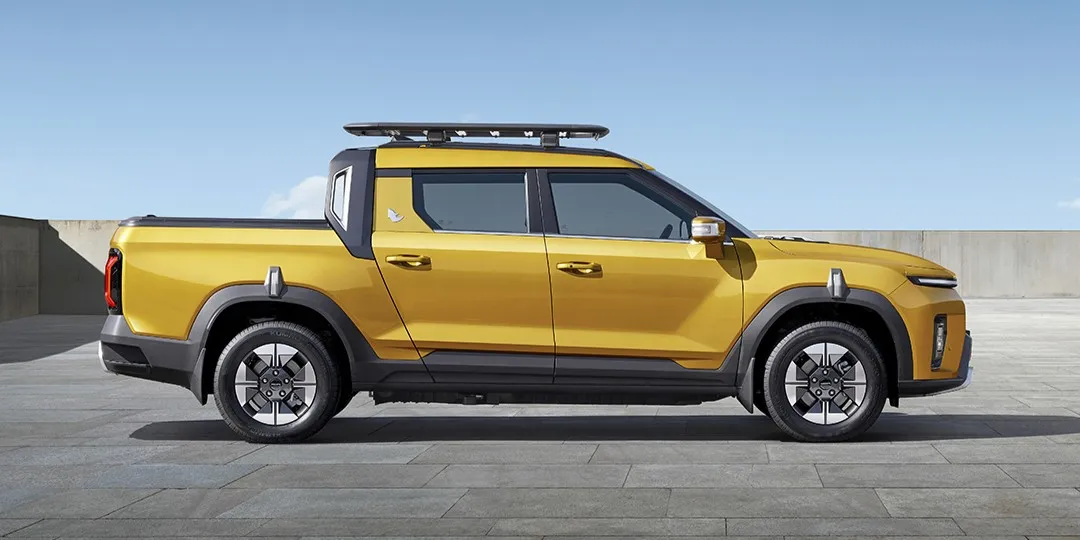
The government estimates that to achieve a 48% reduction, zero-emission vehicles (ZEVs) would need to make up around 30% of all road vehicles by 2035, while reaching a 65% reduction would require more than 35%. Currently, South Korea has about 850,000 ZEVs on the road, with transport-sector emissions reduced by just 1.2% between 2018 and 2024.
The EU’s own 2035 ban has come under renewed scrutiny, with German carmakers pressing European Commission President Ursula von der Leyen in September to reconsider the policy and ease interim EV sales quotas.


