
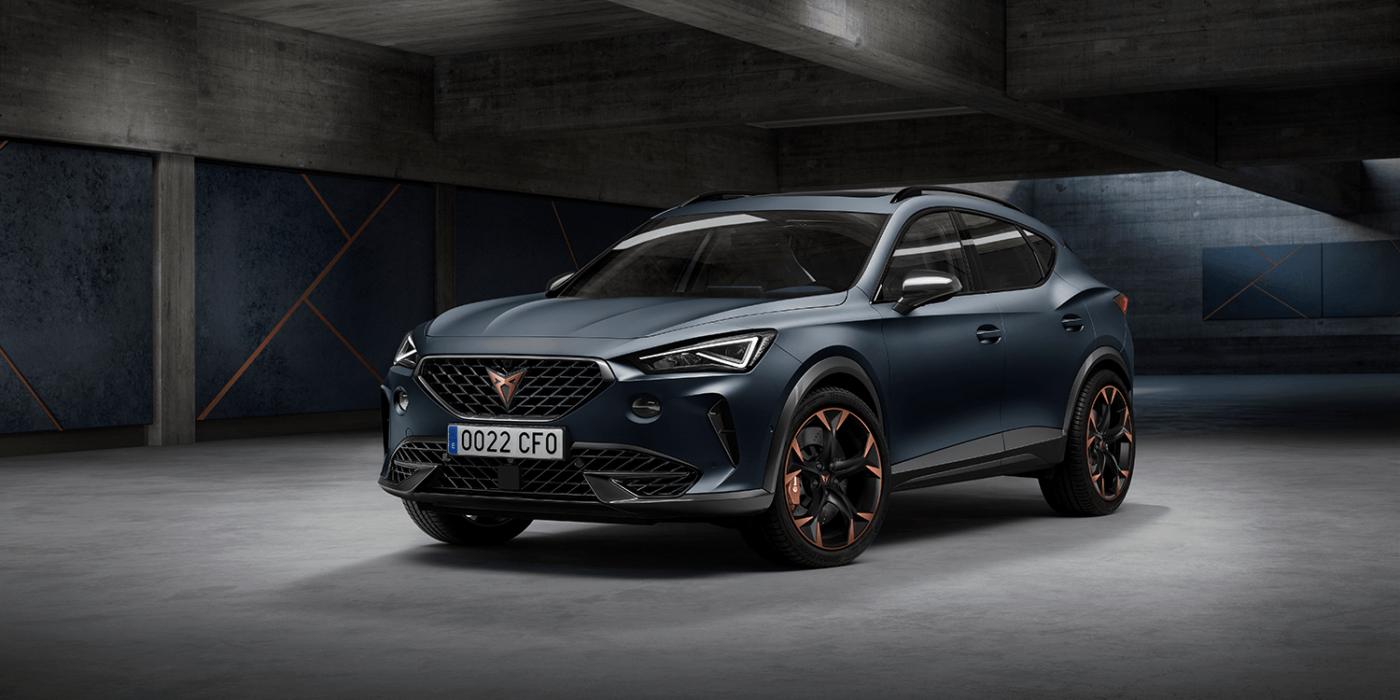
Volkswagen’s Spanish subsidiary SEAT is facing a difficult decision if the European Union does not reduce its tariff on China-made electric vehicles by the end of March. The company has warned that it will be forced to cut production and lay off around 1,500 workers unless the additional tariff is addressed.
Since October, SEAT has been subject to a 20.7% tariff on its CUPRA Tavascan, a model manufactured at Volkswagen’s majority-owned plant in Anhui, China. This is in addition to the existing 10% tariff already imposed on China-made EVs sold in Europe. The additional charges have significantly impacted the brand’s financial performance, with SEAT missing its financial targets for 2024 and projected to lose hundreds of millions of euros in 2025.
See also: Seat Prepares for Small Electric Car Production in Spain, Adjusts Output Plans
“We don’t have much time. We need to get to a solution within the first quarter,” SEAT CEO Wayne Griffiths said in an interview with Reuters. He emphasized that without a tariff reduction or removal, SEAT would be forced to discontinue the Tavascan, further complicating the company’s ability to meet EU emissions targets.
Griffiths noted that the European Commission had been in talks with SEAT and Volkswagen Group executives, with Spain’s Prime Minister Pedro Sanchez also involved in lobbying the European Union to resolve the issue. However, Griffiths stated that SEAT would need the tariff to be “as close as possible” to the original 10% to avoid significant operational impacts.
The dispute over the tariff has sparked concerns across the European automotive sector. Executives from several European carmakers, including SEAT, have highlighted the collateral damage caused by these tariffs, which were intended to protect domestic manufacturers. Tesla, BMW, and Mercedes-Benz, along with Chinese EV makers, have also challenged the tariffs in Europe’s Court of Justice. However, legal challenges often take years, and SEAT cannot afford to wait for a protracted court process.
See also: Seat prioritizes Cupra for electrification, leaving Seat without EVs until 2026
“We can’t fix that overnight,” Griffiths said. “So what do you do? Reduce combustion engine output and start firing people. That’s what’s going to happen if we can’t get a fix.” SEAT’s viability is increasingly tied to its CUPRA brand, which has been a key driver of profitability for the company. If CUPRA faces setbacks, SEAT itself faces a challenging future.
Source: Reuters