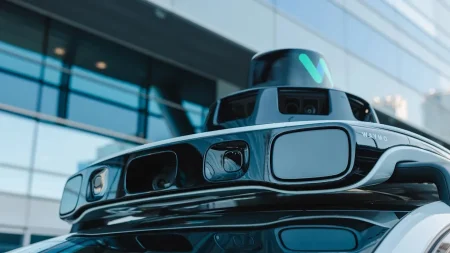



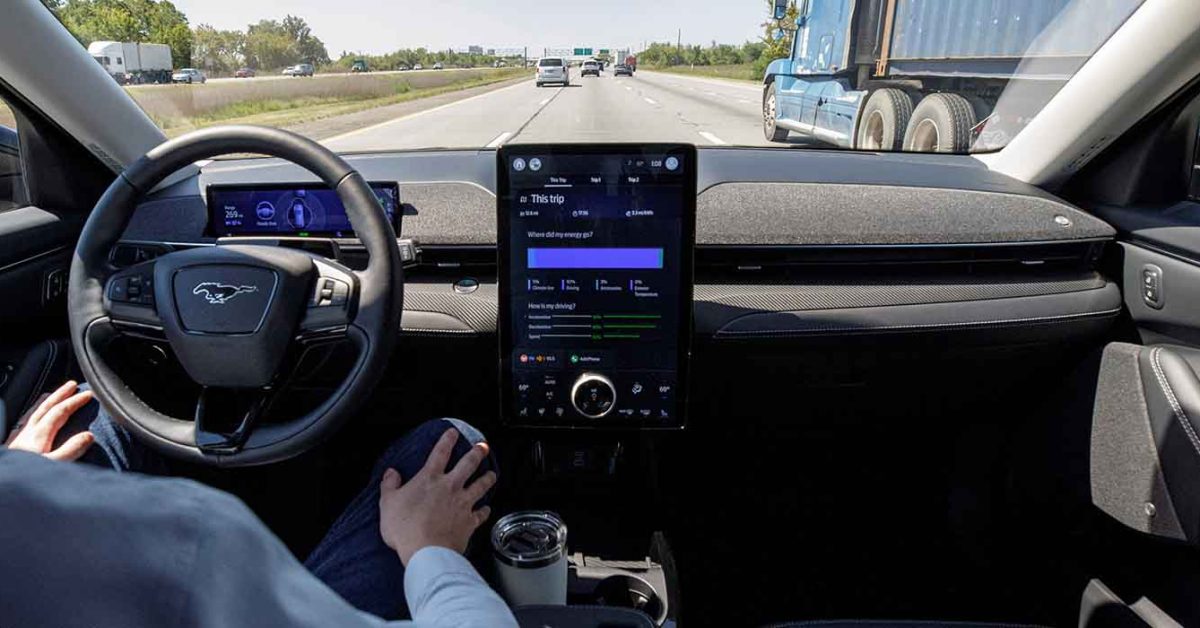
New research conducted by engineers at the University of Florida suggests that autonomous vehicles (AVs) are generally safer than those driven by human drivers, except in specific scenarios such as performing turns and in low-light conditions.
The headline findings of the study, published in the journal Nature Communications, reveal insights into AV safety and challenges. Mohamed Abdel-Aty and Shengxuan Ding, the researchers behind the study, analyzed automobile crash data in California from 2016 to 2022, focusing on accidents involving vehicles with automated driving systems or advanced driver assistance systems.
See also: Autonomous Taxis Outshine Human-Driven Counterparts in Safety, Reveals Study
According to the study, accidents involving vehicles equipped with Advanced Driving Systems (ADS) have a lower chance of occurring than those involving human-driven vehicles in most similar accident scenarios. Abdel-Aty and Ding state in their study, “The analysis suggests that accidents of vehicles equipped with Advanced Driving Systems (ADS) generally have a lower chance of occurring than Human-Driven Vehicles in most of the similar accident scenarios.”
However, the research also identified challenges for AVs, particularly in dawn/dusk conditions and during turning maneuvers.
In dawn/dusk conditions and when turning, ADS-equipped vehicles were found to be involved in accidents 5.25 times and 1.98 times more, respectively, compared to human-driven vehicles. Abdel-Aty and Ding note in their study, “Vehicles equipped with Advanced Driving Systems (ADS) were significantly more likely to be involved in an accident during dawn/dusk conditions (odds ratio = 5.25) and turning conditions (odds ratio = 1.98).”
One key advantage of ADS-equipped vehicles highlighted in the study is their improved performance in rainy weather, where they were 0.335 times less likely to be in an accident. This improvement is attributed to the sensors’ ability to detect objects at long range, enhancing safety in adverse weather conditions.
See also: MIT Study Reveals Potential Carbon Footprint of Computing Power of Autonomous Vehicles
However, the study also acknowledges limitations in the sample size of AV accidents and the accuracy of self-reported data by automakers and operators. This raises concerns about the reliability of ADS data and the need for enhanced analysis of AV accidents.
Despite these limitations, Abdel-Aty and Ding believe that their research can “inform future development” in autonomous driving technology, highlighting the importance of addressing challenges to further enhance the safety and effectiveness of AVs on the road.