
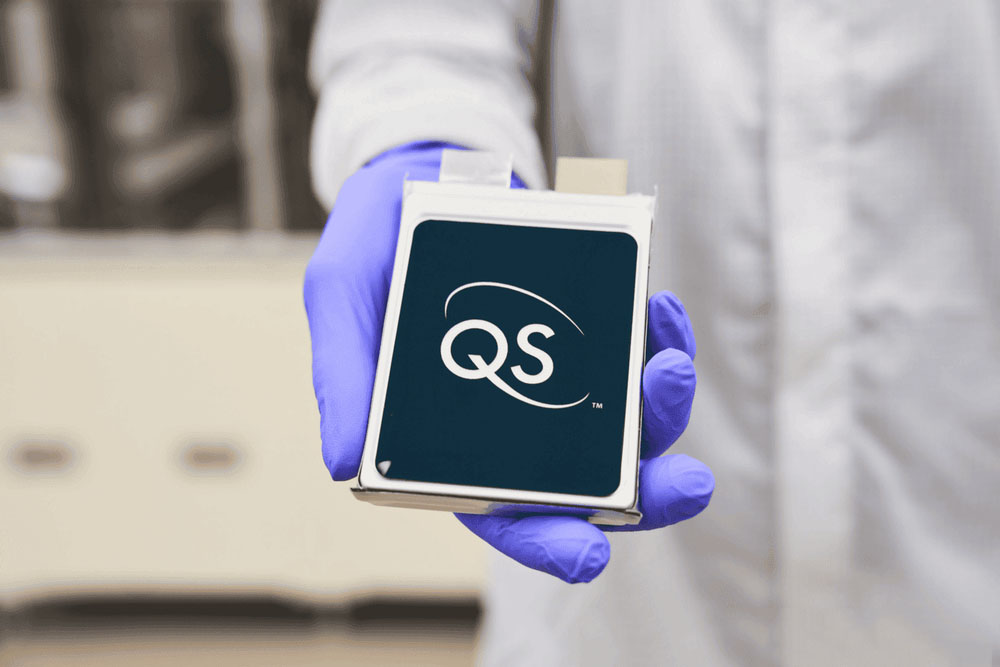
QuantumScape Corporation and Honda R&D Co., Ltd. have entered into a joint research agreement aimed at accelerating the development of next-generation solid-state lithium-metal batteries, deepening collaboration between the battery technology developer and one of the world’s largest automotive manufacturers.
The multi-year program will focus on advancing QuantumScape’s battery platform and associated manufacturing processes through combined research and engineering efforts from both companies.
Partnership builds on successful evaluation
The new agreement follows the completion of a technology evaluation program in which Honda conducted an extensive assessment of QuantumScape’s solid-state battery technology.
According to the companies, the evaluation included detailed technical studies, hands-on testing, and competitive benchmarking against other battery technologies using a range of industry-standard performance metrics.
The results of that evaluation encouraged Honda to expand the relationship into a longer-term research collaboration focused on further advancing the technology toward commercial applications.
Advancing solid-state battery development
Solid-state batteries are considered one of the most promising technologies for future electric vehicles because they have the potential to deliver higher energy density, improved safety, faster charging, and longer driving range than conventional lithium-ion batteries.
QuantumScape is developing lithium-metal solid-state battery technology designed to replace the liquid electrolytes used in traditional batteries with solid-state materials, reducing safety risks while improving performance.
Under the new agreement, the two companies will work together on battery development and manufacturing processes intended to support future commercialization efforts.
Honda sees broad application potential
Honda said its evaluation identified several compelling advantages in QuantumScape’s technology platform.
“QS technology demonstrated compelling and unique advantages during our evaluation,” said Atsushi Ogawa, Chief Operating Officer of the Research Center of Excellence at Honda R&D Co., Ltd.
“We see potential for QS technology to add value across a range of applications, including automotive, and we are excited to move forward into the next phase of our partnership.”
The company believes the technology could have applications beyond passenger vehicles, potentially supporting a broader range of mobility and energy-related products in the future.
QuantumScape gains support from major automaker
For QuantumScape, the agreement represents a significant endorsement of its technology from a global manufacturer known for its engineering expertise and rigorous testing standards.
The company said Honda’s assessment was among the most comprehensive evaluations of its technology conducted to date.
“Honda is a leading global automaker renowned for its engineering excellence and product quality across automotive and other applications worldwide, and its evaluation represents one of the most rigorous assessments of our technology to date,” said Dr. Siva Sivaram, Chief Executive Officer and President of QuantumScape.
“This agreement reflects the growing confidence in QS solid-state lithium-metal batteries to enable safer, higher-density energy storage.”
Race toward next-generation EV batteries
Automakers and battery developers around the world are investing heavily in solid-state battery research as the industry seeks breakthroughs that can improve electric vehicle performance and reduce costs.
While commercial deployment remains a significant challenge, many industry observers view solid-state technology as a key step toward the next generation of electric mobility.
The collaboration between QuantumScape and Honda highlights growing interest among major automakers in exploring advanced battery technologies that could offer meaningful improvements in range, charging speed, safety, and overall efficiency.
As the partnership progresses, both companies aim to further refine the technology and manufacturing processes required to bring solid-state lithium-metal batteries closer to large-scale commercial adoption.