
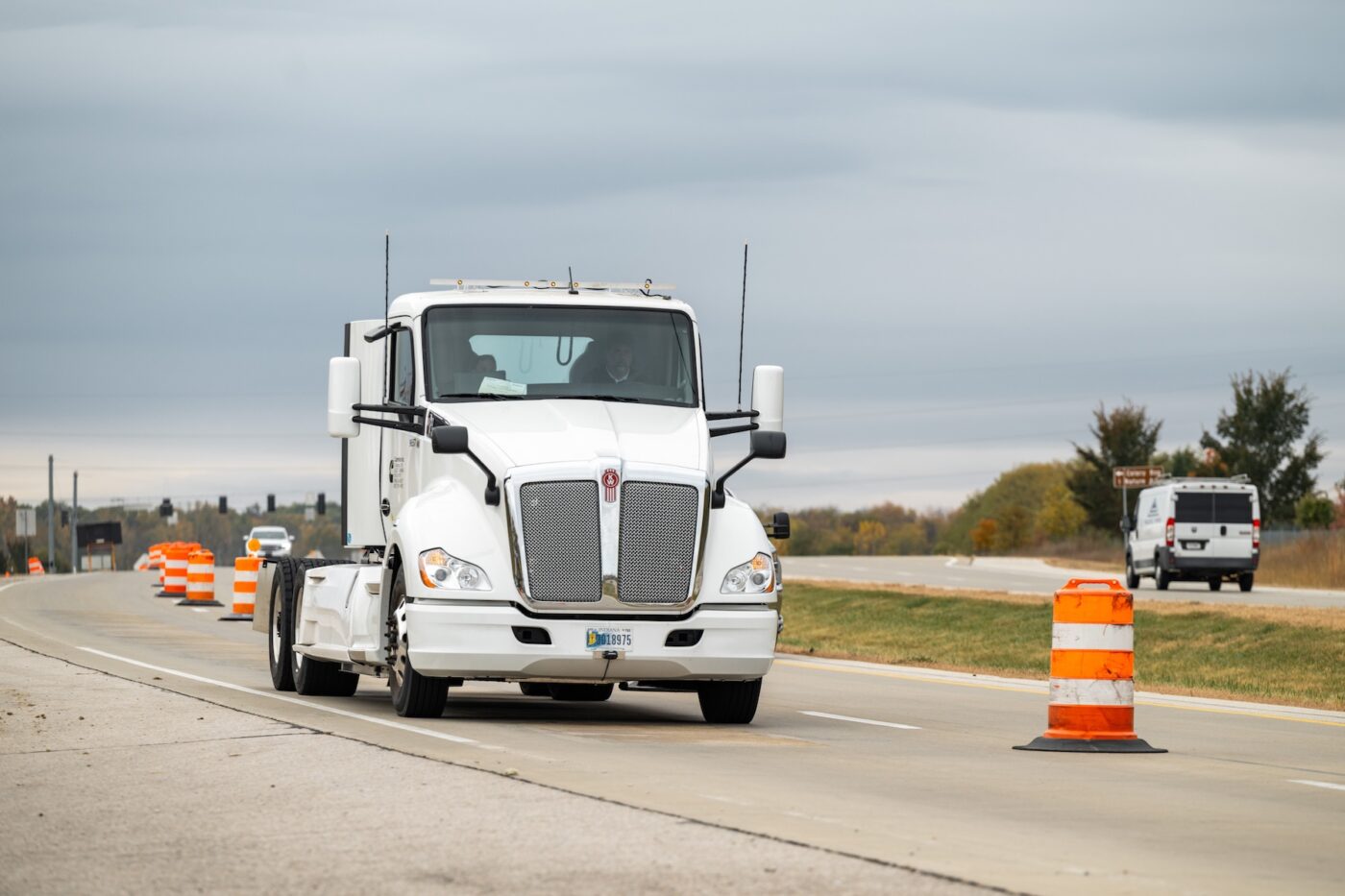
Researchers at Purdue University have successfully wirelessly charged a heavy-duty electric truck while it was traveling at highway speeds, marking a first-of-its-kind test for the United States and a potential step toward reshaping long-haul electric freight transport.
The demonstration took place on a quarter-mile stretch of Highway 231/52 in West Lafayette, Indiana, where engineers embedded magnetic transmitter coils beneath the road surface. A battery-electric semi-truck supplied by engine maker Cummins was equipped with receiver coils, allowing it to draw power without physical contact while traveling at about 65 miles per hour (105 km/h).
See also: Purdue University Engineers Working on Wireless Charging for Electric Trucks on Highways
During the trial, the system delivered up to 190 kilowatts of charging power to the moving truck. The approach mirrors stationary inductive charging technology used for consumer electronics, but scales it for dynamic operation at power levels suitable for heavy-duty commercial vehicles.
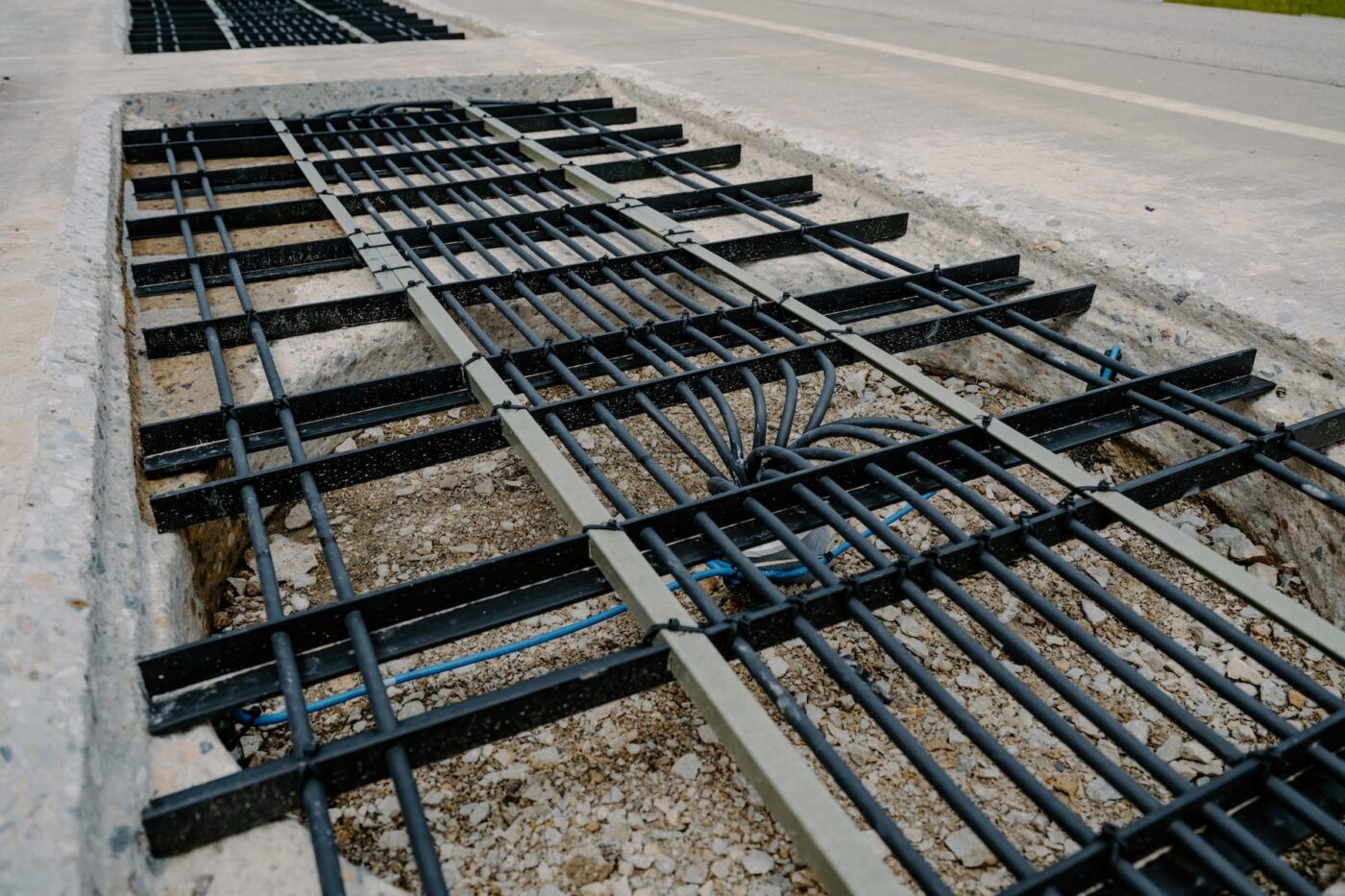
“Transferring power through a magnetic field at these relatively large distances is challenging,” said Dionysios Aliprantis, a professor of electrical and computer engineering at Purdue. “And what makes it more challenging is doing it for a heavy-duty vehicle moving at power levels thousands of times higher than what smartphones receive.”
Beyond freight transport, the research team said the technology could also be applied to passenger cars and buses. If deployed at scale, dynamic wireless charging could allow vehicles to use significantly smaller battery packs, reducing weight and cost while relying on energy supplied directly from the road.
See also: Study Suggests AI Chatbots Could Enhance Communication in Autonomous Vehicles
“A lot of that cost in electric vehicles is driven by the size of the battery packs that they have to have in order to get you that 250-to-300-mile range,” said John Haddock, professor at Purdue’s Lyles School of Civil and Construction Engineering. “With this system, you’d be able to drive your vehicle down the road and it would charge the battery.”
However, researchers and transport planners acknowledge that installing inductive charging infrastructure across national highway networks would require large investments and complex construction. As a result, any early deployment would likely focus on select freight corridors with high volumes of compatible electric trucks.