



U.S. electric vehicle (EV) registrations rose 20% in March, outpacing the broader auto market as consumers moved to secure vehicles ahead of anticipated price hikes from incoming tariffs, according to new data from S&P Global Mobility.
A total of 115,758 new EVs were registered in March, representing 7.5% of the U.S. light vehicle market, up from 7.1% a year earlier. In contrast, overall light vehicle registrations increased by 14% to 1.54 million.
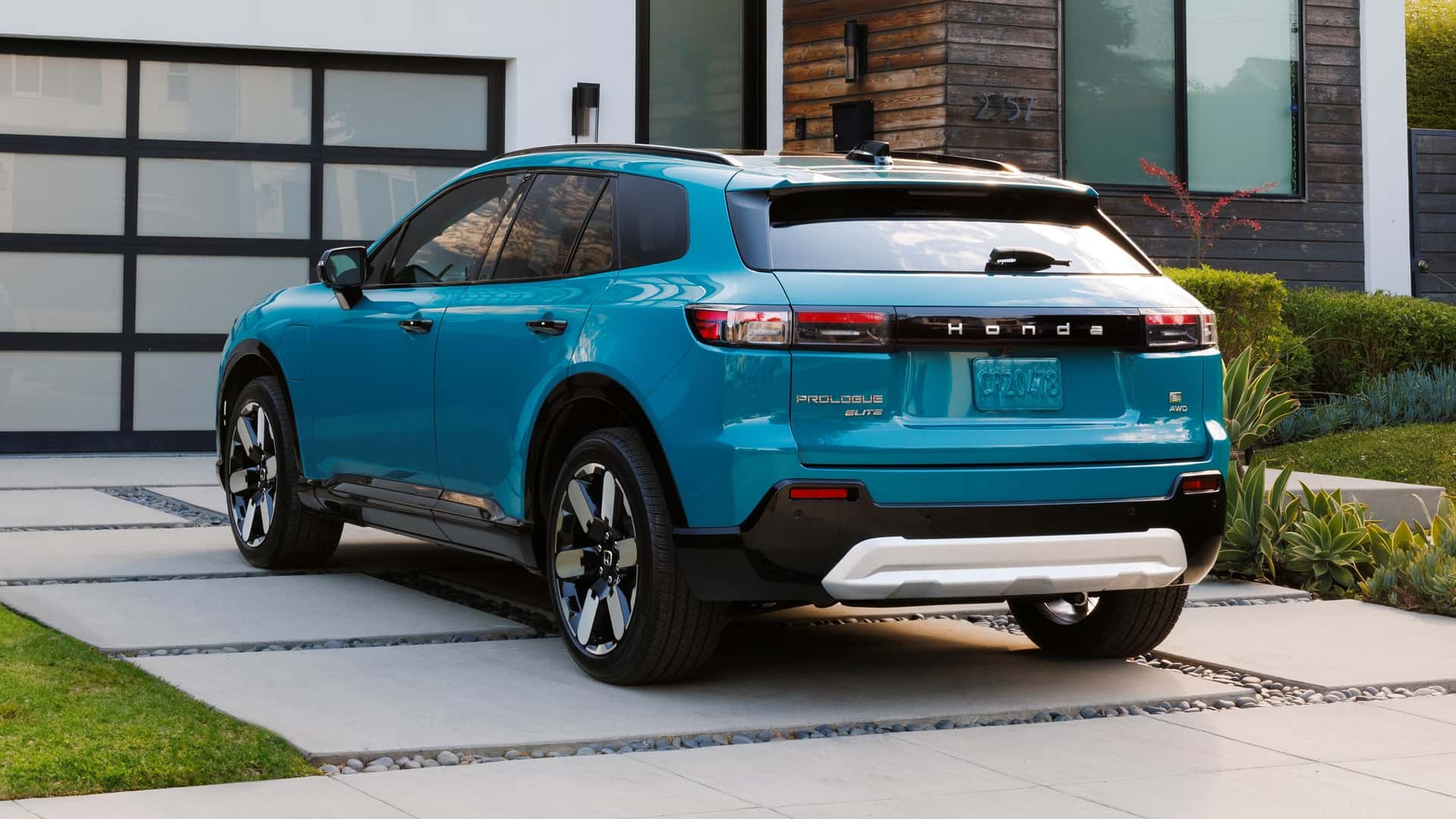
The sales surge was largely fueled by new EV models such as the Honda Prologue, Chevrolet Equinox EV, and Acura ZDX. General Motors saw a dramatic rise in registrations, helping Chevy overtake Ford as the second-best-selling EV brand behind Tesla. Chevy’s EV registrations jumped 274% to nearly 8,500, while Ford’s fell 13% to 7,361.
GM also reported strong momentum across its portfolio. It sold 10,329 Chevy Equinox EVs and 6,187 Blazer EVs in the first quarter. Luxury brand Cadillac rose to seventh place in the EV brand rankings with an 86% increase in registrations, supported by its growing lineup, including the Lyriq, Optiq, Vistiq, and Escalade IQ.
Honda’s Prologue, launched earlier this year, logged 9,561 U.S. sales in Q1, while Acura sold 4,813 ZDXs, strengthening the Japanese automaker’s EV footprint.
Tesla remained the dominant player, logging over 51,000 registrations in March, up 1.1% year-over-year. However, the company’s results were mixed: Model 3 registrations surged 157% to 18,686, while Model Y fell 24% to 28,108. Tesla attributed weaker overall performance in the first quarter to supply chain disruptions.
Despite the strong performance in March, analysts warn of uncertainty ahead. Cox Automotive noted in its recent quarterly report that EV sales are still growing at a “healthy pace,” but the rest of 2025 could prove volatile. “With Trump’s auto tariffs and the likely end of federal EV incentives, pricing and demand could be heavily impacted,” the firm said.
Many of the most popular EVs, including the Equinox EV, Honda Prologue, and Ford Mustang Mach-E, are built in Mexico and could face higher prices if trade policies change.