



Porsche will introduce its all-electric Cayenne in South Korea in the second half of the year and confirmed that all of its electric vehicles sold in the country will use locally sourced battery cells, as the company adapts to consumer preferences and regulatory scrutiny.
The Cayenne Electric, first unveiled in November 2025, is currently in series production in Slovakia and will join the brand’s existing electric lineup in South Korea, including the Macan Electric and the Taycan.
Mathias Busse said the company is confident in its localisation strategy. “We feel very confident for having Korean batteries in all our Porsche electric models,” he told reporters at a press conference. “We are using battery cells from LG Energy Solution for the Cayenne Electric.”
The move means all Porsche EVs sold in South Korea will use battery cells from domestic suppliers. The Taycan and Cayenne Electric already use cells from LG Energy Solution, while the Macan Electric will transition from Chinese supplier CATL to Samsung SDI.
The shift had previously been reported by The Chosun Daily, which noted that South Korean consumers closely examine battery suppliers when purchasing electric vehicles.
Industry observers say the decision also reflects heightened regulatory attention following a 2024 fire involving a Mercedes-Benz EQE in an underground parking facility in Incheon, which prompted authorities to push automakers to disclose battery sourcing.
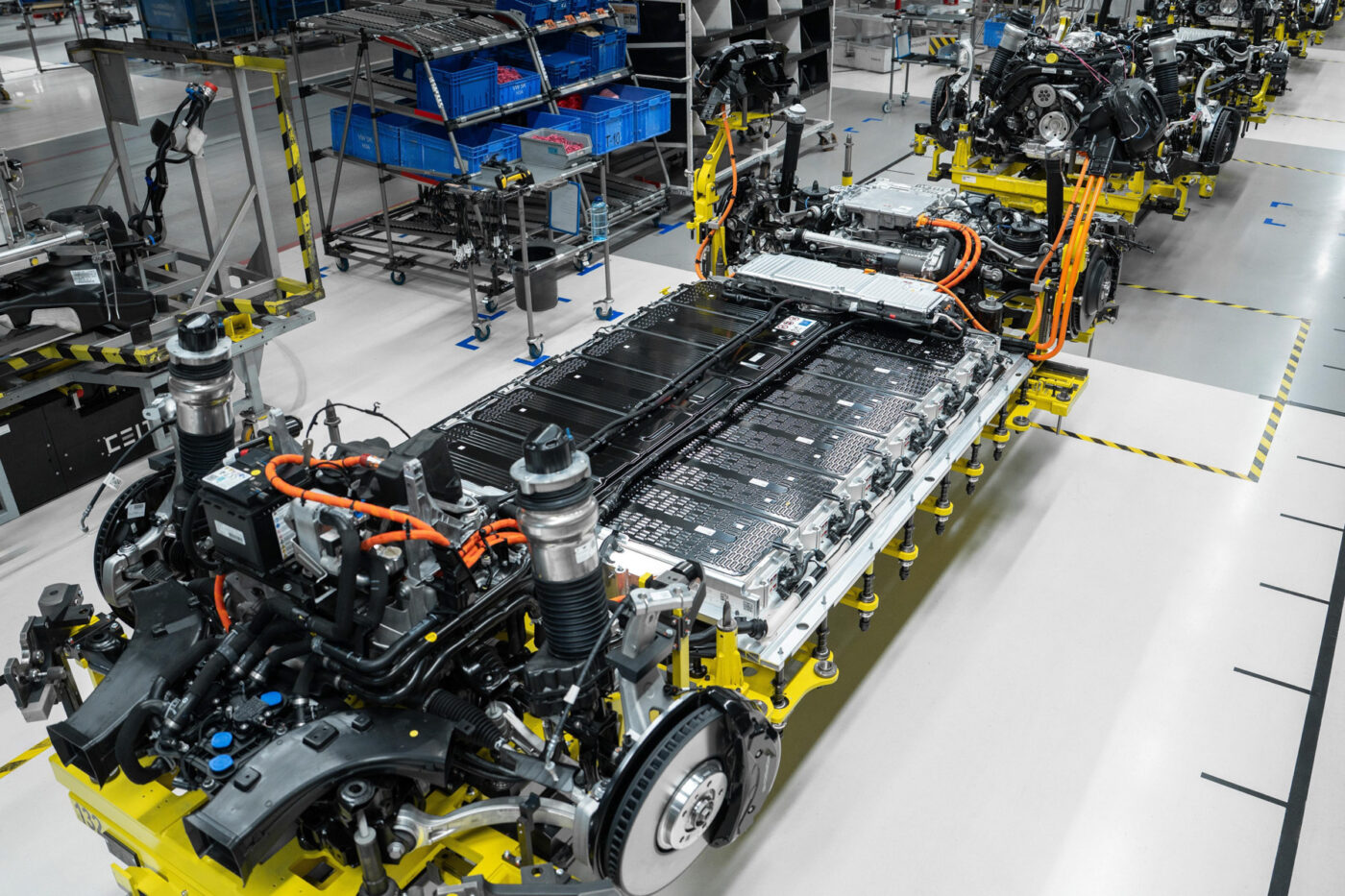
Porsche has also adjusted its battery production strategy for the Cayenne Electric. Unlike earlier models, where battery packs were assembled by suppliers, the company now produces battery modules in-house at its Porsche Smart Battery Shop in Slovakia, using cells from LG Energy Solution.
The Cayenne Electric is based on the PPE platform and represents a further step in Porsche’s electrification programme, as the company expands its EV portfolio in key global markets, including Asia.


