
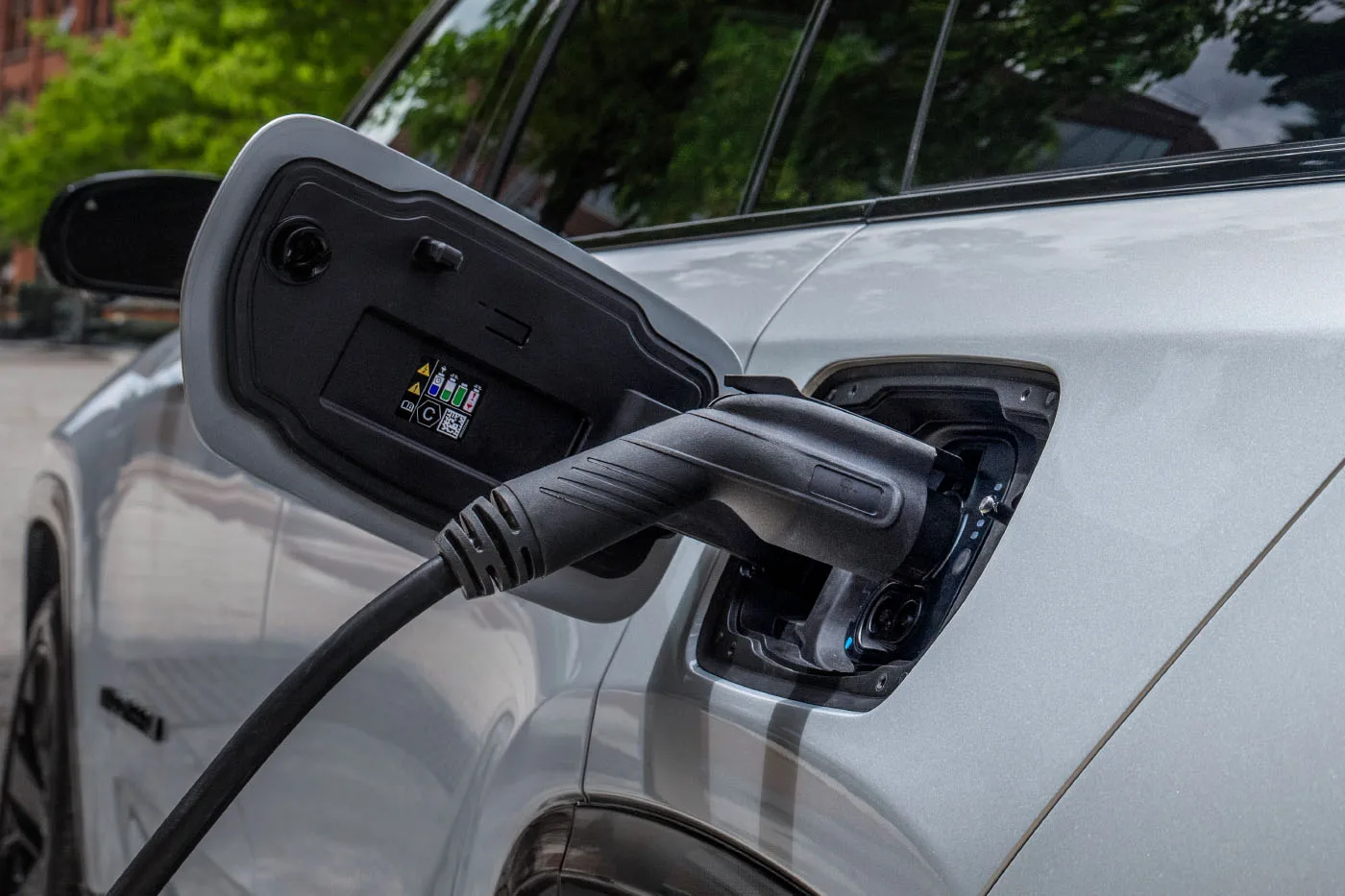
Major roadways across the U.S. state of Pennsylvania will receive additional electric vehicle charging infrastructure through 12 projects funded by the Pennsylvania Department of Transportation.
The projects are part of the National Electric Vehicle Infrastructure Program, which supports the deployment of EV charging stations along designated highway corridors. The new funding follows legal action by Pennsylvania officials that helped reinstate the federal program.
So far, $54 million has been committed to public charging infrastructure across the state through NEVI. Pennsylvania has already built 30 charging stations funded by the program, the highest number of such installations in the United States. Another 53 stations are currently in planning or construction stages.
“These projects will expand access to electric vehicle charging from our alternative fuel connections and bridge the gap between long-distance travel and community-based chargers,” said Mike Carroll. “This is a critical step to improving relatability and access to meet the needs of EV drivers in the Commonwealth.”
The next phase of the program, known as Community Charging, was launched in February 2026 and allocates $100 million in federal funding to expand public EV charging infrastructure across Pennsylvania.
Funding for EV infrastructure has become a point of dispute between state governments and the federal administration. Pennsylvania officials said the United States Department of Transportation is currently withholding some Congressionally approved funds intended for EV charging construction.
This prompted Josh Shapiro to file a lawsuit against the federal government and join a coalition of 15 states seeking to restore the program. The legal effort resulted in the reinstatement of the NEVI initiative, though opposition to EV infrastructure funding remains at the federal level.
Under the NEVI program, up to 80% of eligible project costs can be covered for charging stations installed along Alternative Fuel Corridors. To qualify, charging stations must support open-access payment systems, remain non-proprietary, and be publicly accessible or available to commercial fleet operators from multiple companies.
PennDOT has also opened new funding applications for community charging projects in southeastern Pennsylvania and launched a video series aimed at providing clear information about electric vehicles and charging infrastructure.