
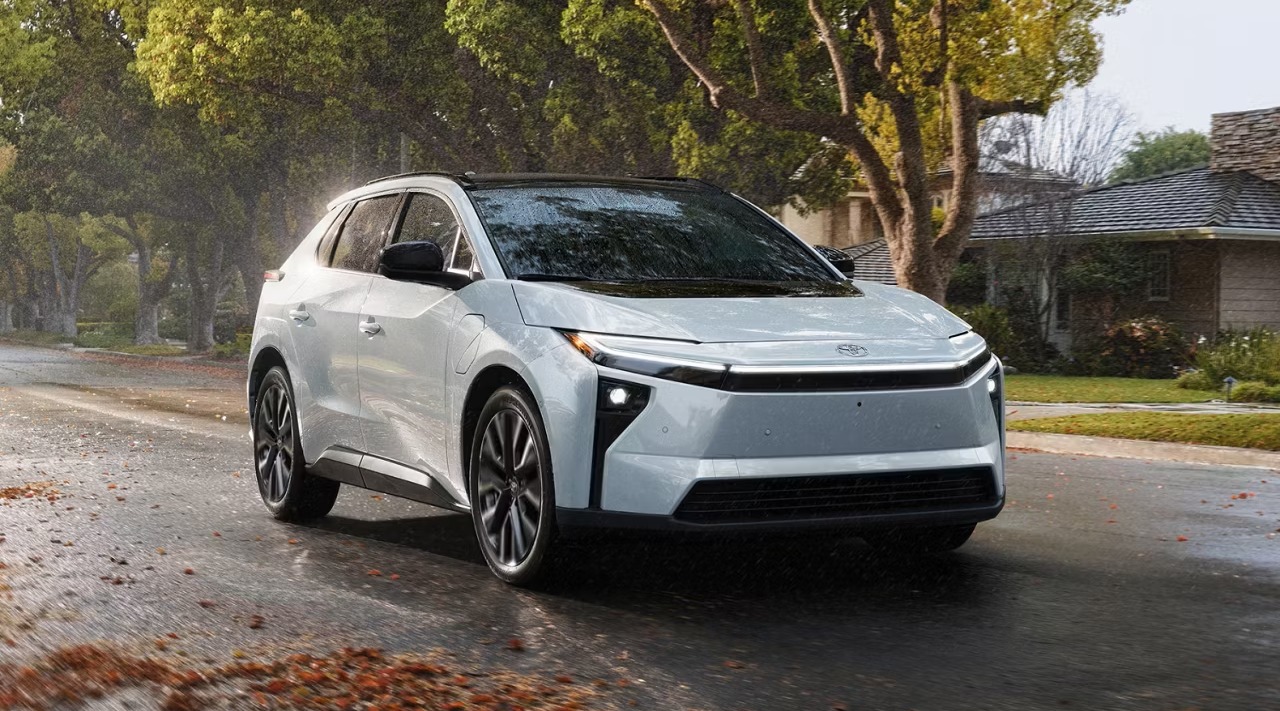
Battery-electric vehicles accounted for 97.8% of all new passenger car registrations in Norway in May, underscoring the country’s position as the world’s most advanced electric vehicle market.
According to data from the Norwegian Road Traffic Information Council (OFV), 15,210 battery-electric cars were registered during the month out of a total of 15,560 new passenger vehicle registrations.
The figures mean electric vehicles have represented 98% of all new car registrations in Norway so far this year, highlighting the near-complete transition away from conventional powertrains.
Electric Vehicles Continue to Dominate
The latest data showed battery-electric vehicles facing minimal competition in Norway’s new car market.
Diesel-powered vehicles accounted for 118 registrations in May, representing a market share of 0.8%, while petrol-powered cars totaled just 32 registrations, or 0.2%.
Other powertrain categories also remained marginal. Petrol plug-in hybrids recorded 92 registrations, full hybrids accounted for 103 units, and only five diesel plug-in hybrids were registered during the month.
“The Norwegian new car market is now almost entirely electric,” OFV said in its market assessment.
The organization added that competition among manufacturers has increasingly shifted away from drivetrain technology and toward factors such as pricing, driving range, vehicle size, availability and financing offers.
Overall Market Remains Below Last Year
While electric vehicles maintained overwhelming market dominance, total vehicle registrations remained below year-earlier levels.
Norway registered 15,560 new passenger cars in May, a decline of 9.1% compared with the same month in 2025.
However, registrations improved compared with April, when 11,103 new vehicles were registered.
Between January and May, total registrations reached 53,846 vehicles, down 5.8% from 57,142 units recorded during the same period a year earlier.
Geir Inge Stokke, managing director of OFV, warned that prolonged weakness in overall vehicle sales could slow the renewal of Norway’s vehicle fleet.
“If new car sales remain too low over time, the renewal of the vehicle fleet will slow down,” Stokke said.
Tesla Model Y Leads Sales Rankings
Tesla’s Model Y remained Norway’s best-selling vehicle in May, recording 3,126 registrations.
The model finished well ahead of its competitors, although OFV noted that Tesla’s registrations were concentrated toward the end of the month.
Toyota occupied the next two positions in the rankings with the Urban Cruiser and C-HR+, followed by Volkswagen’s ID.4, ID.7 and ID.3.
Other leading models included the Toyota bZ4X, BMW iX3, Škoda Elroq and Volvo EX40.
Among Chinese manufacturers, the Xpeng G6 ranked 11th, while BYD also placed two models near the top ten.
Promotions Influence Consumer Demand
OFV said several of the top-performing models benefited from promotional campaigns and financing incentives during May.
“Several of the models that topped the registration statistics in May were part of special promotions and attractive financing offers,” the organization said.
According to OFV, the increasing role of promotional activity is contributing to a more incentive-driven market environment.
The organization also highlighted differences in buyer demographics.
Toyota’s recently launched electric models have attracted an older customer base compared with Tesla and Chinese brands.
According to OFV, the average age of private Toyota buyers in May was 63 years, compared with 43 years for Tesla buyers.
Used Car Market Shows Different Picture
Electric vehicles have not yet achieved the same level of dominance in Norway’s used car market.
A total of 41,625 ownership transfers were recorded in May, with diesel vehicles accounting for the largest share at 34%.
Battery-electric vehicles represented 27.7% of used car transactions, while petrol vehicles accounted for 25.2%.
However, on a year-to-date basis, electric vehicles have narrowly become the largest segment in the used car market with a 34.4% share.
OFV said the trend suggests developments seen in the new vehicle market are gradually extending into the broader vehicle fleet.
“Electric cars are occupying an ever-larger space, and models like the Tesla Model Y and Model 3 are now high on the bestseller lists,” OFV analysts said.
The latest figures indicate that Norway’s transition to electric mobility is entering a mature phase, with battery-electric vehicles now firmly established as the dominant choice among new car buyers.