



Norway registered 18,511 new battery-electric passenger cars in September, pushing the electric vehicle share of new car registrations to 98.8%. Total passenger car registrations reached 18,733 during the month, an increase of 31% compared with September last year.
Only June recorded a higher monthly number of battery-electric registrations this year, with 19,558 vehicles. In the first nine months of the year, electric cars accounted for 97.8% of all new passenger car registrations.
The Norwegian Road Information Authority (OFV) said the market is now almost entirely electric, with competition increasingly focused on factors such as price, driving range, space, delivery times and financing.
Norway Registers 18,511 Electric Cars
Battery-electric vehicles accounted for nearly all new passenger car registrations in September, leaving other powertrains with only a small share of the market.
Diesel cars recorded 77 registrations, equivalent to 0.4% of the market, while petrol cars accounted for 14 registrations and a 0.1% share. Norway also registered 29 petrol plug-in hybrids, 99 petrol full hybrids and three diesel plug-in hybrids.
Overall passenger car registrations during the first nine months reached 115,196 vehicles, up 1.7% from 113,325 during the same period in 2023. The market had a relatively weak start to the year before registrations accelerated during the later months.
Tesla Model Y Leads September Model Rankings
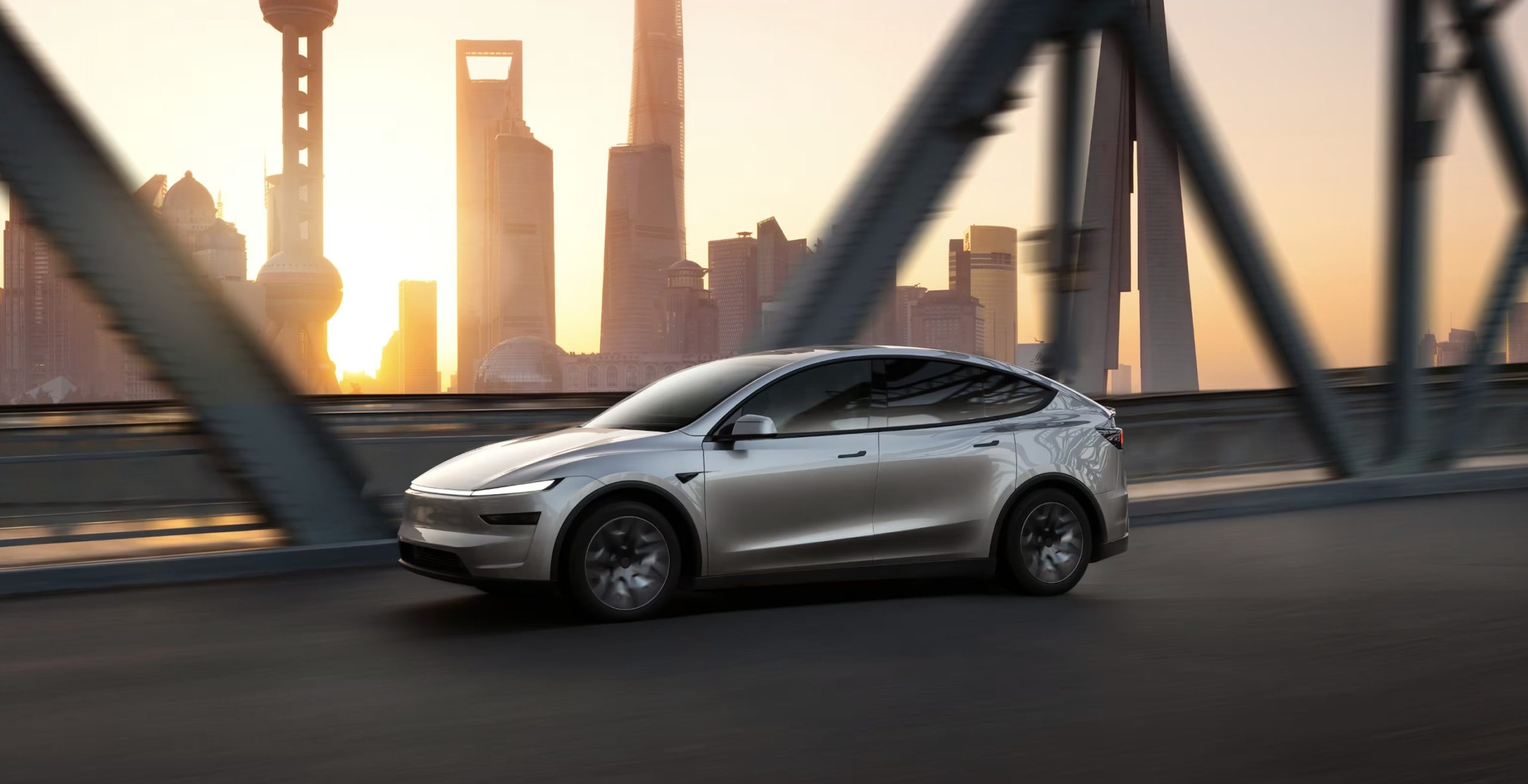
Tesla’s Model Y remained the most registered passenger car in Norway in September, with 4,810 units. The model alone represented 25.68% of all new passenger car registrations during the month.
The Volvo EX30 ranked second with 576 registrations, followed closely by the Mercedes-Benz GLC with 568 and Toyota bZ4X with 567.
The Volkswagen ID.4 ranked fifth with 516 registrations, while BYD’s EVO 4×4 placed sixth with 405 units.
The Audi Q4 e-tron, BMW iX3, Kia EV5 and Toyota Urban Cruiser completed the top 10, with 378, 352, 350 and 334 registrations respectively.
Other electric models among the top 20 included the BYD Sealion 7, XPeng G9, XPeng G6, Smart #5 and Zeekr 7GT.
BYD and XPeng Expand Their Norwegian Presence
Chinese electric vehicle brands continued to increase their presence in the Norwegian market.
BYD and XPeng together accounted for a 7.1% market share in September, according to OFV. The combined share was more than double the 3.5% recorded by the two brands in September last year.
BYD had one model in the September top 10, while additional BYD and XPeng models appeared further down the rankings.
Tesla Returns as Norway’s Largest Brand
Tesla was Norway’s largest passenger car brand in September, registering 4,935 vehicles for a 26.3% market share.
The result put Tesla back at the top of the monthly brand ranking for the first time since June. Toyota led the market in July, while Volkswagen held the top position in August.
Tesla registrations increased 2.2% year-on-year in September. However, its market share declined from 33.7% in the same month last year to 26.3%.
OFV Managing Director Geir Inge Stokke said the market is becoming more evenly distributed among brands.
“Many brands are currently growing, and the largest brand now holds less than a third of the market. Competition has become more balanced, which benefits car buyers. When multiple brands compete for the same customers, everyone has to improve in terms of price, equipment, and service.”
Electric Cars Become Norway’s Largest Fleet Powertrain
Norway’s shift toward electric vehicles is also increasingly visible in the existing passenger car fleet.
As of September 30, the country had 1,043,983 registered electric passenger cars. Electric vehicles now account for 35.3% of Norway’s total passenger car fleet.
That makes battery-electric cars the largest powertrain group among passenger cars on Norwegian roads. Diesel vehicles account for 29.4% of the fleet, while petrol cars represent 22.9%.
The fleet figures show that Norway’s transition to electric vehicles is no longer limited to new-car sales, with battery-electric vehicles now representing the largest powertrain category across the country’s passenger car population.


