


U.S. automaker Ford Motor and Chinese technology group Xiaomi have denied a media report that the two companies held discussions about bringing Xiaomi’s electric vehicles to the United States, after the claim drew attention amid growing global interest in Chinese-made EVs.
The Financial Times reported on Sunday, citing four people familiar with the matter, that Ford had explored possible cooperation with Xiaomi, including the idea of a joint venture to manufacture electric vehicles in the U.S. The newspaper also said Ford had held similar exploratory talks with BYD and other Chinese carmakers.
See also: Xiaomi EV Delivers Over 39,000 Vehicles in January as SU7 Facelift Nears
Ford rejected the report outright. “This story is completely false. There is no truth to it,” the company said. Xiaomi also dismissed the suggestion, with a spokesperson telling Chinese outlet CnEVPost that reports of discussions with Ford were untrue and adding that the company does not sell vehicles or services in the U.S. and is not negotiating to do so. BYD declined to comment, according to the Financial Times.
The report came as Chinese electric vehicle manufacturers attract increasing attention overseas due to rapid growth at home and intensifying competition in China’s domestic market. However, access to the U.S. market remains highly sensitive, with trade barriers, regulatory scrutiny and geopolitical tensions limiting direct entry by Chinese automakers.
See also: Xiaomi Tops Direct EV Imports to Key EU Markets Via Online Platform Despite Official 2027 Entry Plan
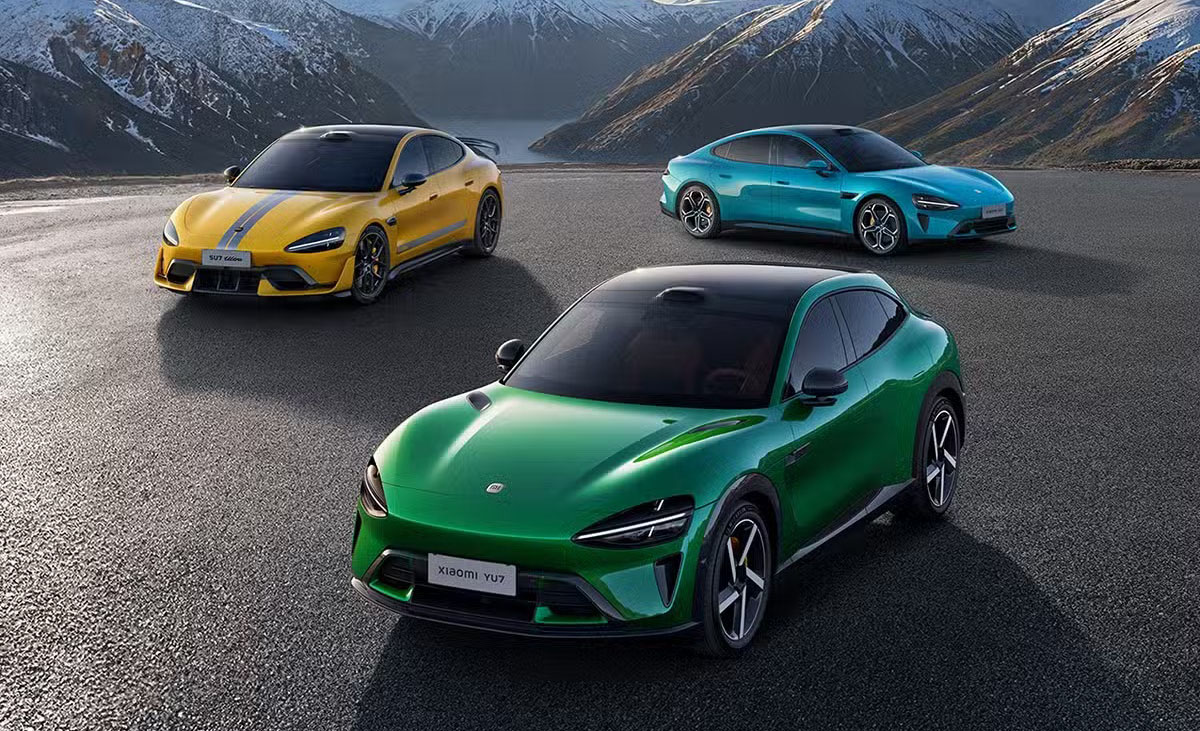
Xiaomi formally entered the automotive sector in 2021 and launched its first electric sedan, the SU7, in March 2024. The model competes in China’s mid-sized EV segment, alongside vehicles such as Tesla’s Model 3. Despite being a late entrant, Xiaomi delivered about 135,000 vehicles in 2024, the first year of sales for its EV business.
Ford, meanwhile, has been reassessing its electric vehicle strategy amid slowing EV demand in North America and rising competition from both domestic and overseas manufacturers. While the company has previously acknowledged the need to study Chinese EV cost structures and technologies, it has not announced any partnerships involving Chinese-branded vehicles for the U.S. market.
The denials from both Ford and Xiaomi underscore the political and commercial hurdles facing any potential collaboration between U.S. and Chinese automakers, even as global competition in electric vehicles continues to intensify.