




Nissan, the University of Oxford and battery materials company Gelion have launched a new research project aimed at developing next-generation solid-state lithium-sulphur batteries for electric vehicles.
The project, known as Cost-effective, Resilient Solid-state Li–S (CoRe-SoLiS), seeks to combine Gelion’s nano-encapsulated sulphur (NES) cathode technology with Nissan’s solid-state battery development program to create batteries with higher energy density, faster charging capability and longer operating life.
The initiative is supported by funding from the UK government and is expected to cost approximately £3.4 million (€3.9 million), with around £2.4 million provided through public funding.
Focus on Sulphur-Based Battery Technology
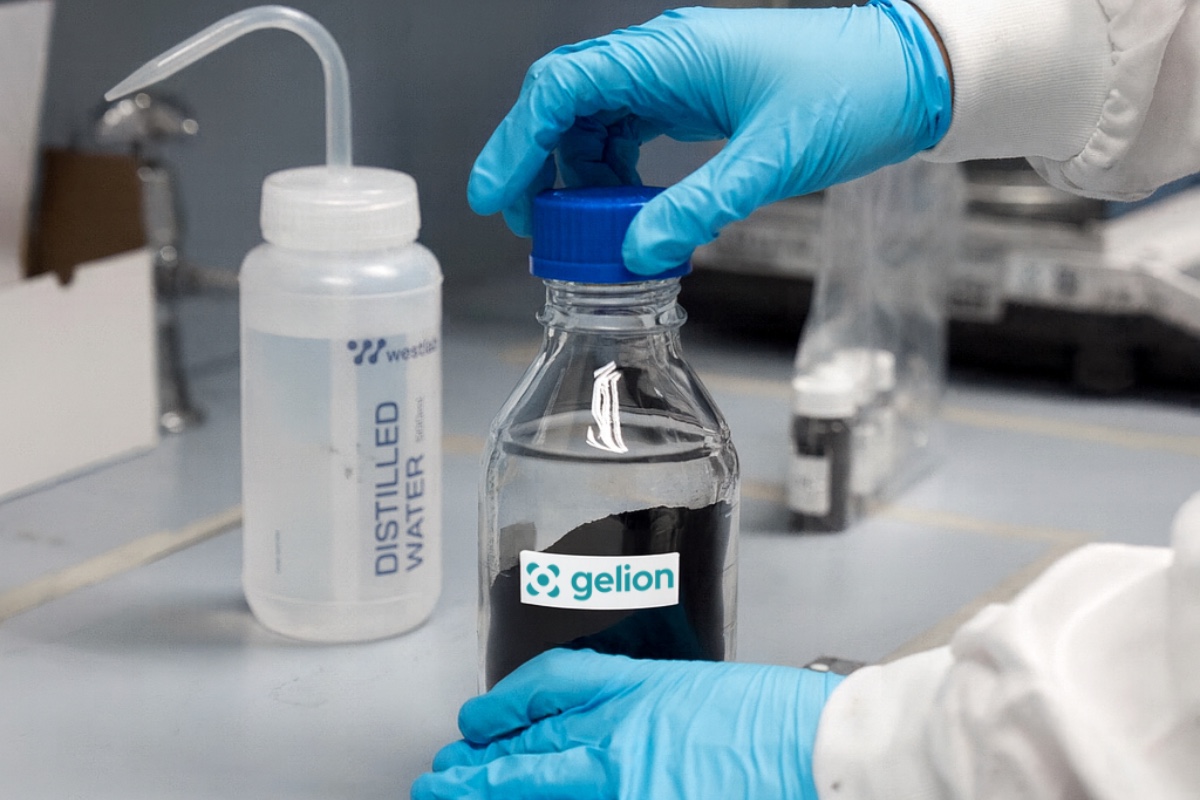
The project centers on Gelion’s nano-encapsulated sulphur technology, which is designed to replace conventional cathode materials used in lithium-ion batteries.
According to Gelion, sulphur offers several potential advantages, including lower material costs, greater availability and compatibility with existing battery manufacturing processes.
The company said its NES technology could be integrated into future solid-state battery production lines while reducing dependence on more expensive cathode materials.
Under the project, researchers will explore how the sulphur-based cathode can be incorporated into solid-state battery architectures being developed by Nissan through its Nissan Technical Centre Europe.
Addressing Key Solid-State Battery Challenges
Solid-state batteries are widely viewed as a promising technology for future electric vehicles because they have the potential to deliver higher energy density, improved safety and faster charging compared with conventional lithium-ion batteries.
However, challenges related to manufacturing costs, durability and large-scale production have slowed commercialization efforts.
The project partners said combining sulphur cathodes with solid-state battery technology could help address some of these barriers.
“The Project brings together Gelion’s breakthrough NES sulphur-based cathode active material with Nissan’s world-leading solid-state battery development capabilities,” the partners said in a joint statement.
The companies believe the technology could help improve battery performance while reducing costs, making solid-state batteries more viable for mass-market electric vehicles.
Overcoming Lithium-Sulphur Limitations
Lithium-sulphur batteries have attracted interest for years because of their theoretical energy density advantages, but commercial deployment has been limited by technical challenges.
One of the primary obstacles is the formation of polysulphides during charging and discharging cycles, which can lead to capacity loss and shortened battery life.
Gelion said its nano-encapsulation approach is designed to address these issues and improve long-term battery stability.
While the partners have not disclosed detailed technical specifications, they said the project will focus on validating the technology and accelerating its integration into future solid-state battery systems.
Supporting Future Commercialization
The project partners said findings from CoRe-SoLiS could support future scale-up and commercialization efforts across both automotive and stationary energy storage markets.
“Results from CoRe-SoLiS will inform future scale-up, manufacturing, and commercialisation efforts for solid-state batteries, with potential to expand collaboration across the automotive and energy storage sectors,” the consortium said.
Gelion already collaborates with organizations including TDK, QinetiQ and the Max Planck Institute of Colloids and Interfaces on battery research and development programs.
Industry Perspective
Gelion Chief Executive Officer John Wood said the project combines two areas widely viewed as key pathways for advancing battery performance.
“This endorsement of our technology’s commercial potential in solid-state cells for automotive applications highlights the platform nature of NES building on our work in liquid electrolyte and graphitic anode systems,” Wood said.
“The two primary opportunities to push battery performance boundaries are solid-state and sulfur cathode material. This project combines both.”
Adrien Amigues, President of Gelion UK & Europe and project lead for CoRe-SoLiS, said the technology could offer a practical route to integrating sulphur cathodes into future battery manufacturing.
“Our technology is particularly well-suited to solid-state batteries due to the exceptional physical properties of NES, its unique potential to substitute NMC and be used as a drop-in solution into existing and future solid-state battery production lines,” Amigues said.
The project highlights ongoing efforts by automakers, universities and battery developers to accelerate next-generation energy storage technologies as the automotive industry pursues higher-performance and lower-cost electric vehicle batteries.


