




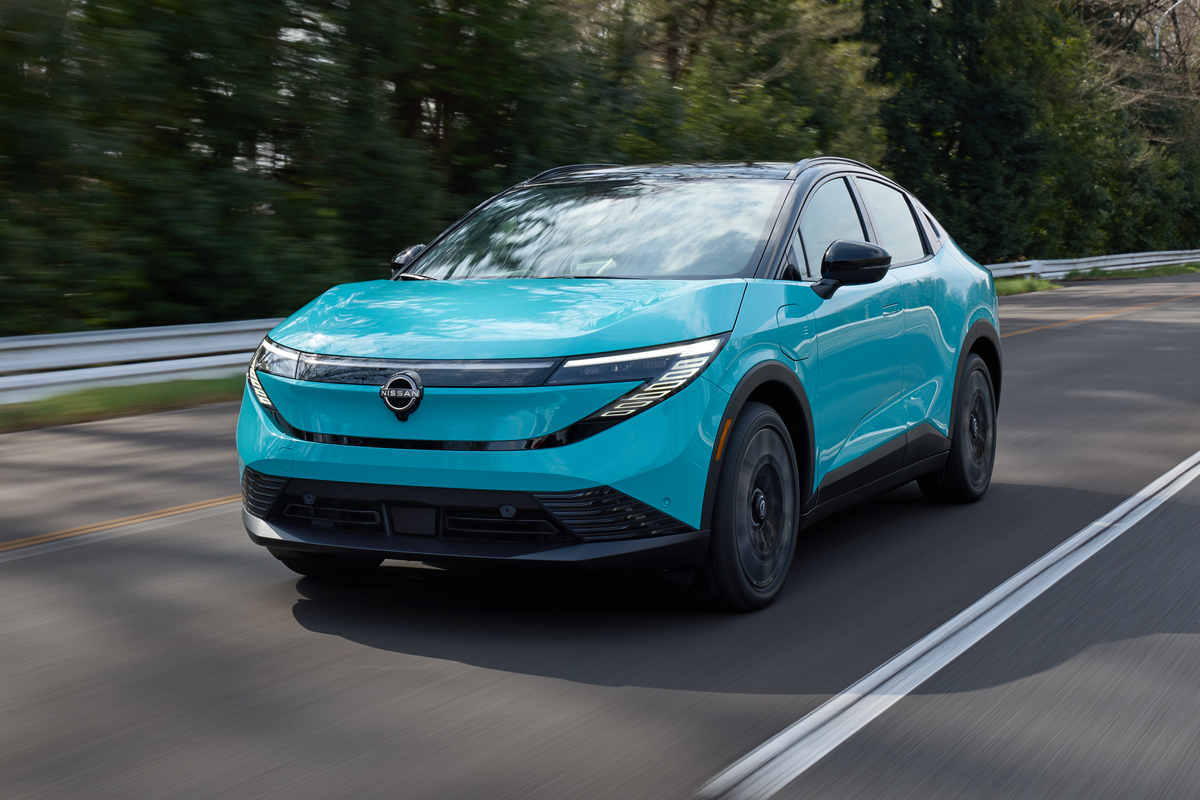
Nissan has launched a new UK-backed research programme aimed at improving electric vehicle efficiency by combining advanced power electronics, solar technology and intelligent energy management into a single vehicle platform.
The three-year Smart Use of Integrated Technology for EVs (SUITE) project is led by Nissan Technical Centre Europe in Cranfield and supported through the UK government’s Drive35 funding programme, which promotes the development of zero-emission transport technologies.
Focus on Smarter Energy Use
The £10 million project is designed to reduce electric vehicle energy consumption while improving the integration of renewable energy into charging and easing demand on the electricity grid.
To achieve those goals, Nissan is collaborating with ten industry and academic partners to develop and test several advanced technologies within a single demonstration vehicle.
Key technologies include:
- A gallium nitride (GaN)-based traction inverter with AI-powered control
- Integrated tandem solar cells
- Intelligent charging management software
- Bidirectional charging capability supporting vehicle-to-grid (V2G) operation
The charging management system is intended to optimize energy flows, lower charging costs and enable surplus renewable electricity to be exported back to the grid when available.
New Nissan Leaf Serves as Test Platform
The project will use the latest all-electric Nissan Leaf as its development vehicle.
Researchers will evaluate how the various technologies operate together under real-world driving and charging conditions, including testing vehicle-to-grid functionality through the integrated bidirectional charging system.
Broad Industry Collaboration
In addition to Nissan, the SUITE consortium includes technology companies RAM Innovations, Weeteq, Oxford PV and Ricardo, alongside several UK universities.
Academic participants include:
- University of Bristol
- Newcastle University
- University of Nottingham
- University of Oxford
- University College London
The partners are contributing expertise across power electronics, artificial intelligence, advanced solar technologies and grid-integrated charging systems.
The project forms part of the UK’s broader effort to accelerate zero-emission mobility while supporting the development of smarter energy systems capable of integrating growing numbers of electric vehicles and renewable electricity sources.


