

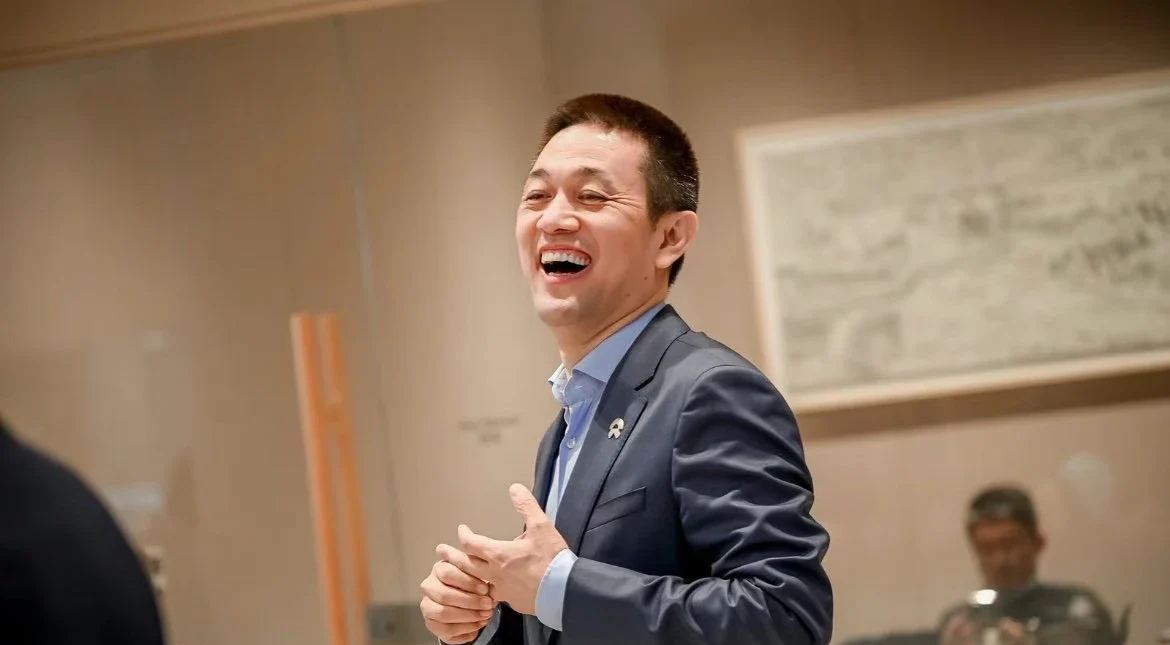
Nio founder and chief executive William Li called on China’s electric vehicle industry to standardize battery cell formats and reduce semiconductor variety, saying fragmented component specifications are creating significant inefficiencies and capital waste across the supply chain.
Speaking on Saturday at the China EV 100 Forum, Li said the rapid pace of smart EV product updates has disrupted the balance between supply and demand in China’s auto market.
“The lack of unified battery cell specifications has become a very serious problem restricting costs, efficiency, market response capabilities, and long-term industry competition,” Li said.
He said automakers frequently invest heavily to expand production for new models only to see demand weaken before capacity is fully utilized, leading to what he described as substantial waste.
“It is common for hundreds of millions of yuan to be wasted on a single model,” Li said.
Battery and semiconductor components together account for more than half of vehicle costs, Li said, arguing that greater standardization could materially improve supply chain efficiency.
He said China’s electric vehicle industry could improve operational efficiency if domestic automakers converged on four or five common battery cell formats.
Li also highlighted the complexity of semiconductor sourcing, noting that Nio’s newly launched ES9 sport utility vehicle uses more than 1,000 semiconductor categories totaling over 4,000 chips.
Nio is working to reduce its internal chip variety to around 400, he said, and urged the broader industry to establish interchangeable standards across chip categories.
Li said broader component standardization could create more than 100 billion yuan ($14.6 billion) in cost-reduction potential for China’s automotive sector.
He said the effort would support healthier profitability and more sustainable long-term development for the country’s smart EV industry.