
New York State has withdrawn plans to legalize robotaxi services, dealing a blow to autonomous vehicle operators—particularly Alphabet’s Waymo—which had been seeking entry into the market.
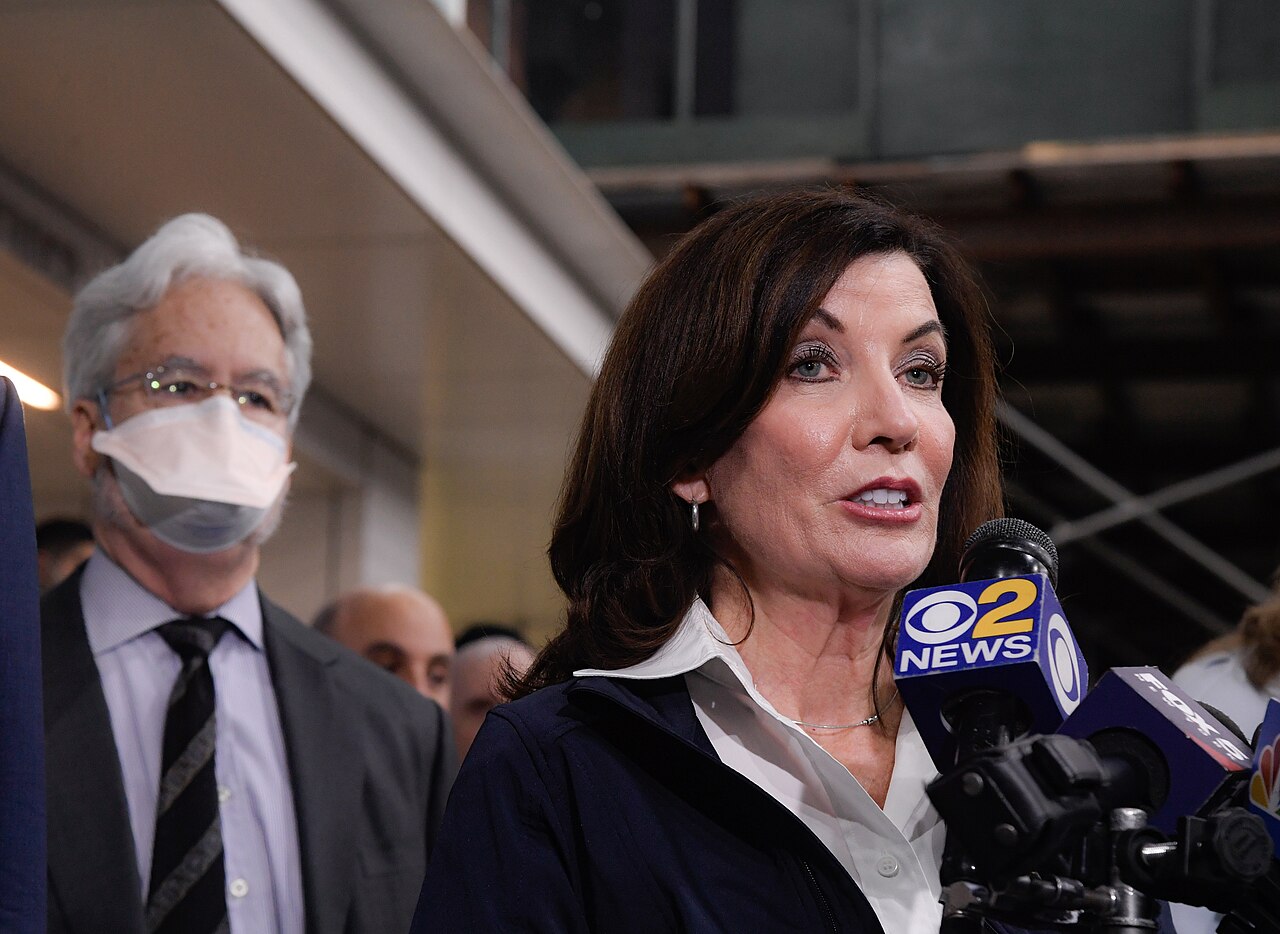
Governor Kathy Hochul’s earlier proposal would have allowed companies to apply for licences to run pilot autonomous ride-hailing services, with a pathway toward full commercial deployment. The initiative was widely seen as a critical step for companies aiming to operate on the U.S. East Coast.
According to a report by Bloomberg, the governor has now abandoned the plan. Although the original proposal did not include New York City itself, the state remains one of the most attractive potential markets due to its dense population and heavy transport demand.
Waymo, a subsidiary of Alphabet, had invested significant resources in lobbying for regulatory approval. Politico reported that the company has spent at least $1.8 million on lobbying efforts in New York since 2019, targeting state officials and lawmakers.
The company currently tests autonomous vehicles in New York City with human safety drivers under a permit issued during the administration of former mayor Eric Adams. That permit is set to expire at the end of March, and its renewal is uncertain following the policy reversal.
“While we are disappointed by the Governor’s decision, we’re committed to bringing our service to New York and will work with the state legislature to advance this issue,” a Waymo spokesperson said in a statement cited by Bloomberg.
Waymo operates commercial robotaxi services in several U.S. cities and has announced plans to expand to around 20 locations domestically and internationally this year, including London. Newly targeted U.S. markets include Detroit, Las Vegas, San Diego, Dallas, San Antonio, Orlando and Nashville, while Miami was added earlier this year.
The company recently secured $16 billion in funding to support its expansion plans. However, the withdrawal of the New York proposal highlights ongoing regulatory hurdles facing autonomous vehicle deployment, particularly in complex urban environments.
Industry observers note that dense traffic, infrastructure challenges and safety concerns have made policymakers cautious about allowing driverless services in major metropolitan areas.