


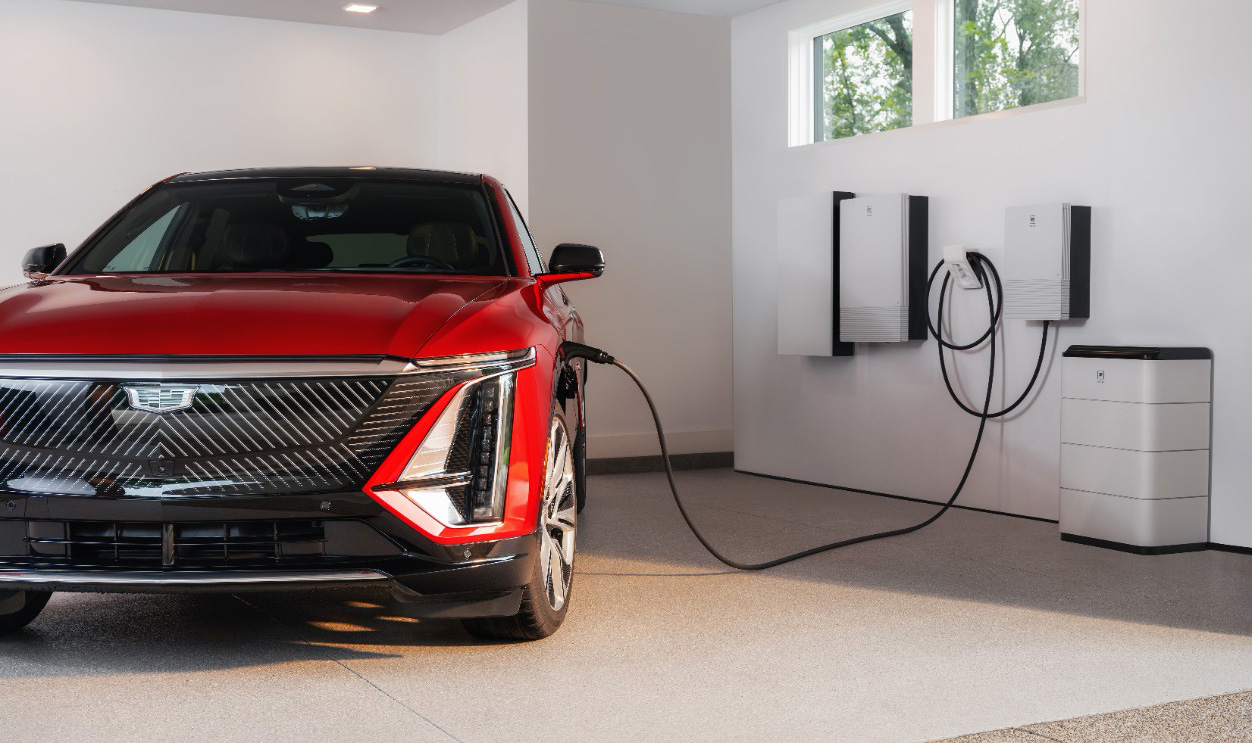
The National Electrical Manufacturers Association (NEMA) has released its EVSE Power Export Permitting Standard, a new framework designed to facilitate bidirectional charging for electric vehicles (EVs).
The standard defines the technical parameters necessary for EV owners to transfer electricity between their vehicles and the power grid, unlocking new energy management opportunities for consumers, businesses, and utilities.
See also: Renault Introduces V2G Charging in France with The Mobility House
Bidirectional charging, which includes vehicle-to-grid (V2G), vehicle-to-home (V2H), and vehicle-to-building (V2B) technology, allows EVs to function as mobile energy storage units. With this capability, EV owners can charge their vehicles when electricity demand is low and sell excess power back to the grid during peak hours, potentially generating additional revenue.
The new NEMA standard establishes guidelines across key domains, including electrical safety, communications protocols, and cybersecurity measures, ensuring that power export from EV supply equipment (EVSE) is reliable and secure.
See also: Polestar Explores Vehicle-to-Grid (V2G) Initiatives in Gothenburg and California
Patrick Hughes, Senior Vice President of Technical Affairs at NEMA, emphasized the impact of the standard on grid resilience. “NEMA’s Electric Vehicle Supply Equipment (EVSE) Power Export Permitting Standard is an important tool to reach these goals, and local jurisdictions should reference this standard when permitting these systems,” he said.
David Kendall, Director of Industry Affairs at ABB, highlighted the safety and efficiency benefits of the standard. “By defining key technical characteristics, this standard not only enhances installation safety but also supports grid stability and helps consumers maximize their EV investment,” he stated.
See also: Toyota and Oncor launches pilot project for vehicle-to-grid (V2G) technology
As bidirectional charging technology gains traction, NEMA’s standard is expected to play a crucial role in streamlining the permitting process, encouraging wider adoption, and integrating EVs more effectively into the energy ecosystem.


