



Microlino AG has filed a legal complaint against Switzerland’s Federal Office of Energy, challenging the exclusion of light electric vehicles from the country’s CO₂ fleet emissions regulations.
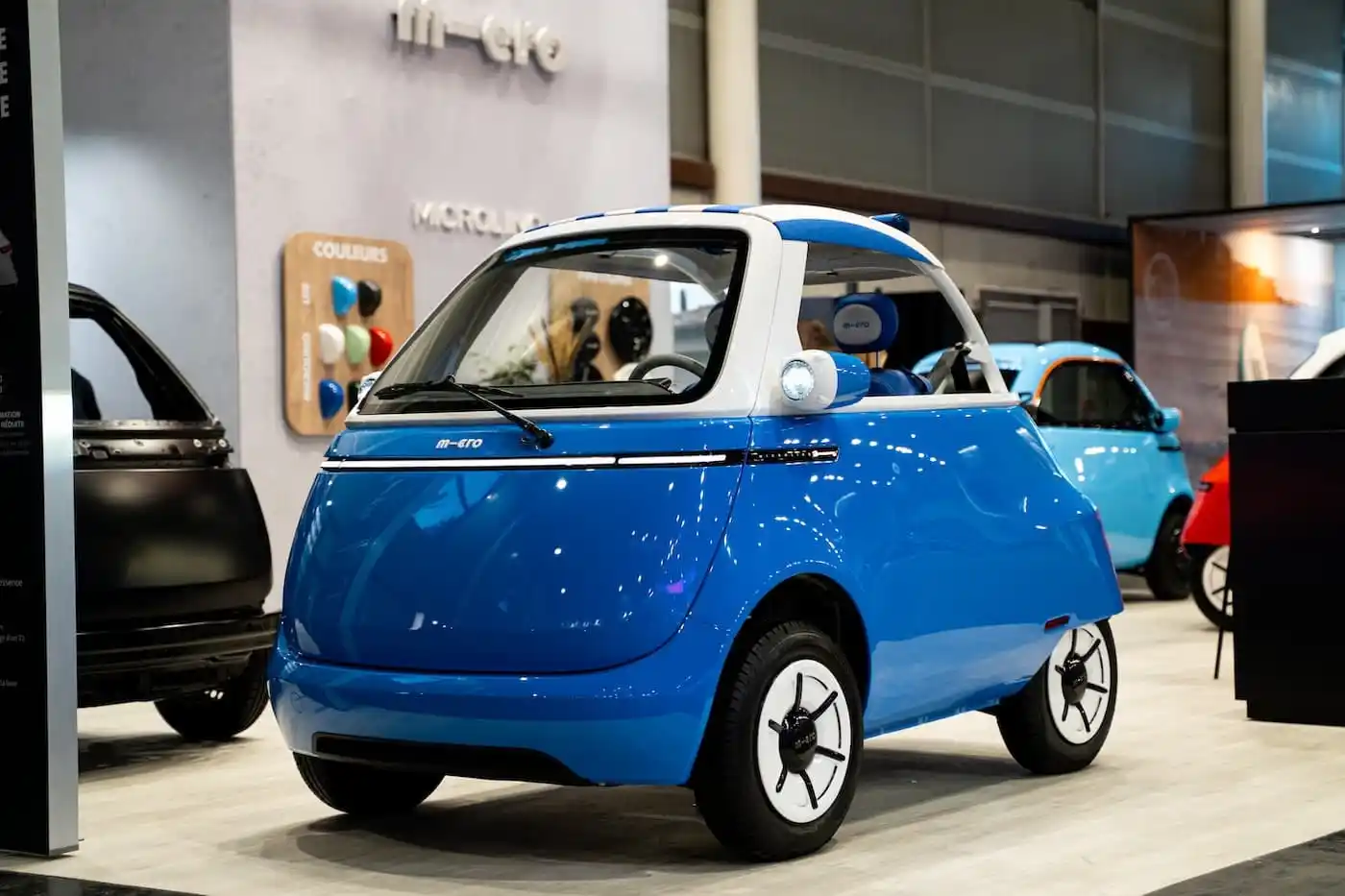
The Swiss manufacturer argues that its Microlino electric microcar is being unfairly disadvantaged compared with larger battery-electric vehicles because light electric vehicles classified under the L6e and L7e categories are not included in Switzerland’s CO₂ fleet regulation framework.
The case has been submitted to the Federal Administrative Court in St. Gallen, where Microlino is seeking to overturn the current regulatory treatment and allow its vehicles to participate in emissions communities and fleet-average calculations.
Alleged Competitive Disadvantage
According to the company, excluding light electric vehicles from the CO₂ fleet system creates an uneven playing field that favors larger electric passenger cars.
Microlino argues that battery-electric vehicles in the M1 passenger-car category benefit indirectly from the regulations, enabling manufacturers to offer more attractive pricing and incentives. Meanwhile, smaller electric vehicles such as the Microlino remain outside the system despite producing zero tailpipe emissions.
The company claims that this regulatory distinction has limited the market potential of the Microlino and slowed its commercial growth.
In its filing, Microlino states that vehicles of its type are comparable to conventional battery-electric passenger cars in terms of their intended use and contribution to reducing transport-related emissions.
Push for Recognition
The manufacturer is requesting that the court require Swiss authorities to include Microlino-type vehicles in fleet emissions calculations.
Microlino contends that recognizing light electric vehicles within the regulatory framework would support broader climate goals while encouraging the adoption of smaller, more energy-efficient urban mobility solutions.
The company argues that vehicles in this category can play a meaningful role in reducing congestion, lowering energy consumption, and cutting transport-sector emissions.
Understanding the Vehicle Categories
The Microlino is classified under Europe’s light vehicle categories rather than the standard passenger car segment.
The L7e category permits vehicles with up to 15 kW of rated power, a maximum vehicle weight of 450 kilograms excluding the battery, and a top speed of up to 90 km/h.
The smaller L6e category is limited to 6 kW of power, a maximum weight of 425 kilograms, and a top speed of 45 km/h. In many European countries, L6e vehicles can be driven with lower-tier licences, while L7e models typically require a standard passenger car licence.
Broader Implications
The outcome of the case could have implications beyond Microlino, potentially affecting how Switzerland regulates and incentivizes emerging categories of lightweight electric vehicles.
As cities seek more sustainable urban transportation solutions, manufacturers of microcars and other compact EVs are increasingly arguing that regulatory frameworks should recognize the environmental benefits of smaller vehicles alongside conventional electric cars.
The Federal Administrative Court’s decision could help determine whether Switzerland’s future EV policies evolve to include a broader range of zero-emission vehicle technologies.
Source: bilanz.ch, insideparadeplatz.ch


