



Japanese automakers Mazda and Subaru are further delaying plans for their first dedicated electric vehicle platforms as both companies redirect resources toward hybrid and combustion-engine vehicles amid changing market conditions.
Mazda has postponed the launch of its first vehicle based on the Skyactiv EV Scalable Architecture to 2029, according to Automotive News, marking the second major delay for the platform.
The company had originally planned to launch the platform in 2025 before later revising the target to 2028.
Mazda first introduced the Skyactiv EV Scalable Architecture roadmap in 2021, outlining plans for multiple electric vehicle models between 2025 and 2030. The platform was designed to support a range of vehicle sizes and body styles.
However, the company is now scaling back investment in the project while increasing emphasis on hybrid technologies and electrified models developed in partnership with Chinese automaker Changan.
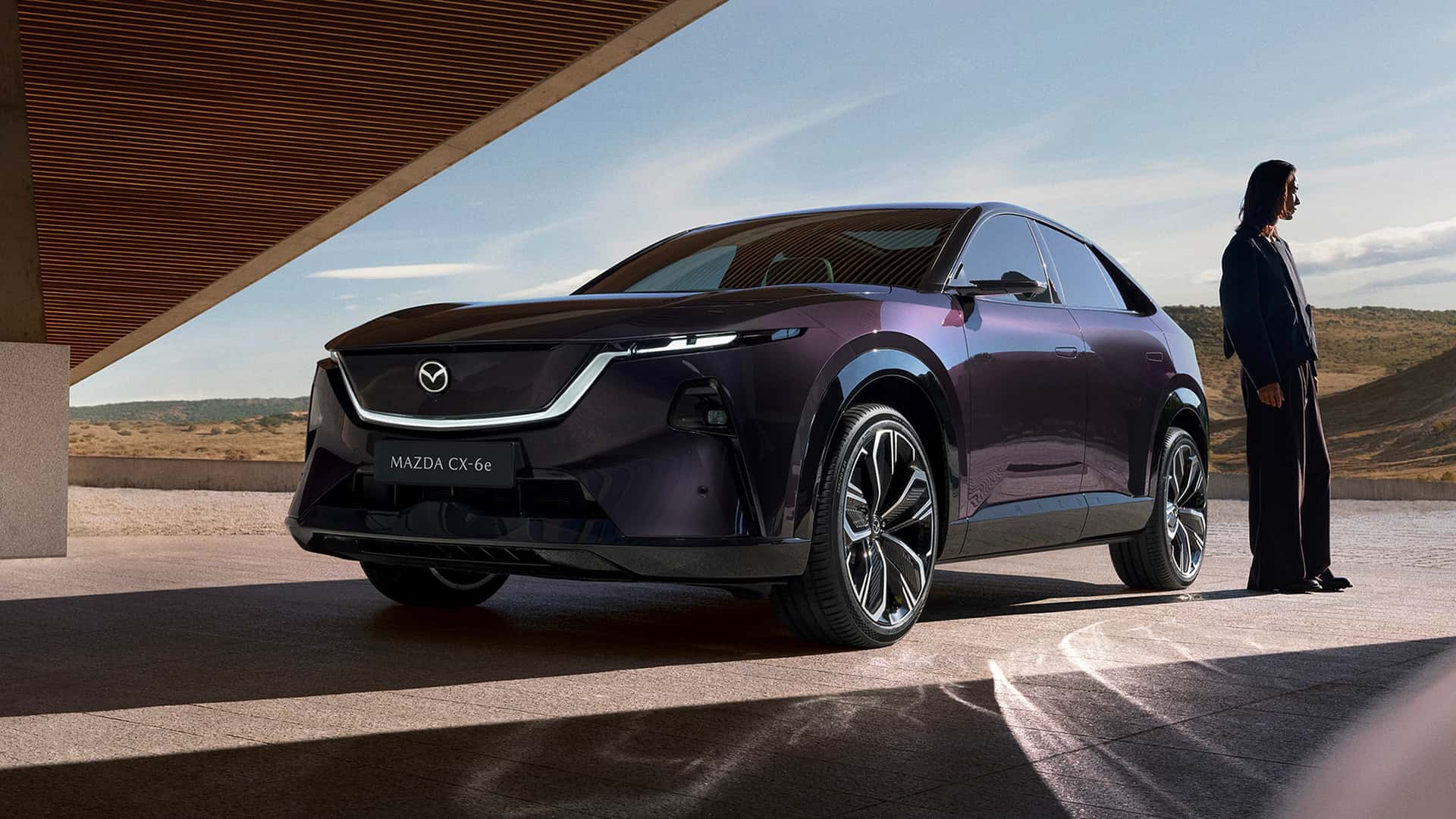
Mazda currently plans to rely more heavily on models such as the Mazda6e and CX-6e, which are produced in China through its joint venture with Changan.
Mazda Chief Executive Masahiro Moro said the company’s cautious strategy toward battery-electric vehicles had been deliberate from the beginning.
“We made the decision before we started. For battery EVs we were always careful,” Moro told Automotive News.
Mazda has described itself as an “intentional follower” in electric vehicle adoption, a strategy the company says helps avoid costly overinvestment.
Earlier this year, Christian Schultze, deputy head of research and development at Mazda Europe, also indicated the automaker was taking additional time to refine its dedicated EV platform strategy.
Meanwhile, Subaru is also revising its electric vehicle roadmap.
According to Nikkei Asia, Subaru has abandoned its previous target of launching internally developed EVs by 2028 and is instead allocating more resources to hybrid and gasoline-powered models.
The company has not announced a revised launch schedule for its in-house EV programme.
Subaru’s existing partnership with Toyota on electric SUVs remains in place, with four jointly developed electric SUV models still scheduled for launch by the end of 2026.
However, Subaru is reviewing plans for four additional electric vehicles that were previously expected to be developed independently.
Nikkei Asia reported that the automaker is reassessing not only the launch timing but also the number of future in-house EV models.
The report also said Subaru’s new production facility at its Oizumi plant in Gunma prefecture, initially intended for EV production from 2027, will instead begin by manufacturing gasoline-powered vehicles before eventually transitioning to mixed production.
Subaru President Atsushi Osaki cited slowing EV adoption in the United States as a key factor behind the revised strategy.
“The rate of EV penetration in the U.S., our main battleground, has slowed considerably,” Osaki said at a press conference.
“We will determine the final introduction date while carefully monitoring the market situation,” he added.
Nikkei Asia also reported that Subaru’s goal of raising EVs to 50% of global sales by 2030, along with its planned battery factory project with Panasonic Energy, could face delays.
The latest decisions by Mazda and Subaru reflect broader caution among some automakers as global EV demand growth becomes increasingly uneven across markets including the United States and Europe.


