
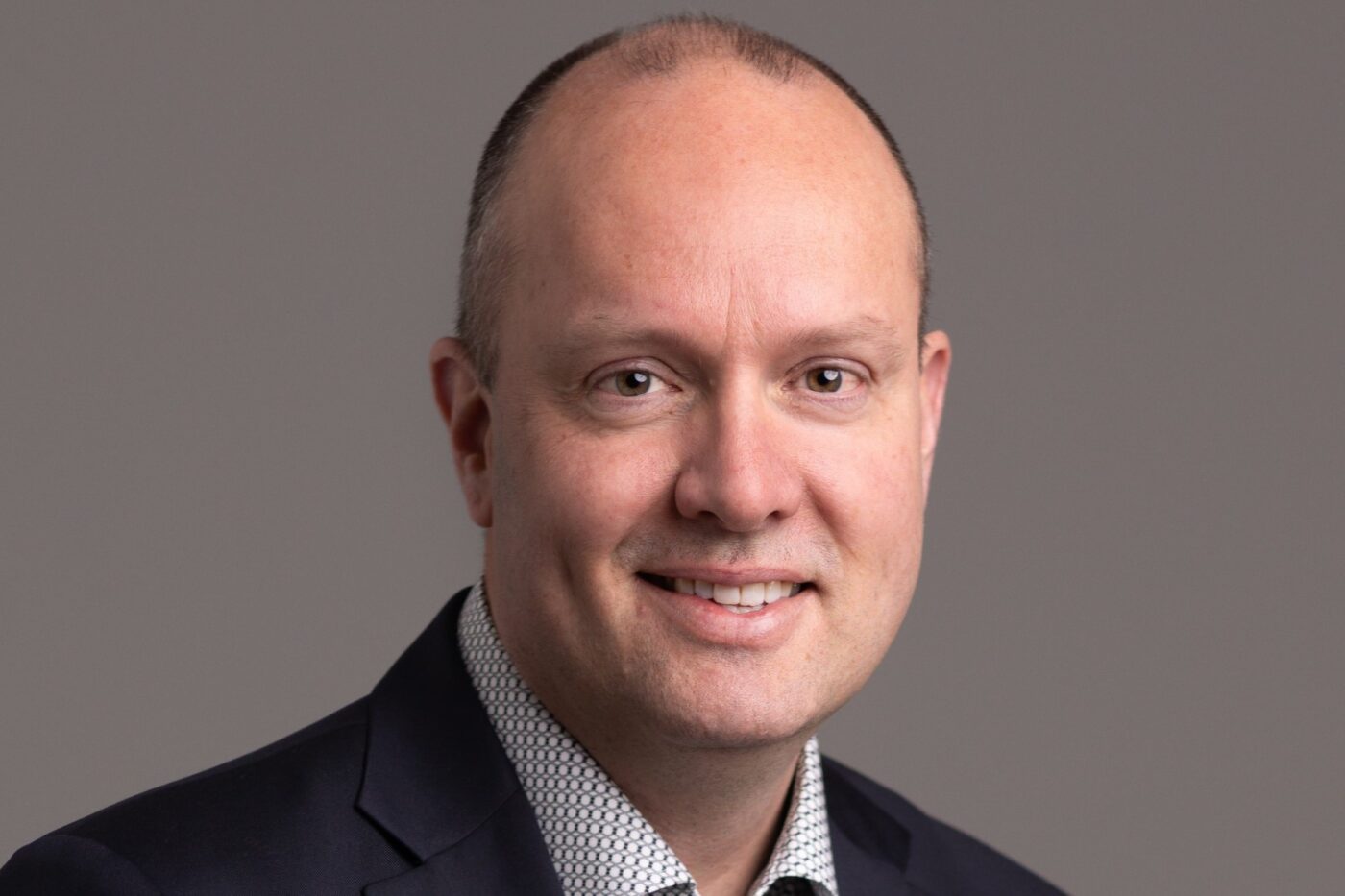
Mercedes-Benz Trucks has appointed Marcus Ekman as its new Head of Development, effective October 1, as the company continues its transition toward electrification and advanced vehicle technologies.
Ekman will succeed Rainer Müller-Finkeldei, who is set to retire at the end of July 2026 after more than three decades with the company. Ekman joins from Volvo Group, where he currently serves as Senior Vice President of Truck Quality.
Mercedes-Benz Trucks said Ekman brings more than 25 years of international leadership experience in commercial vehicle development, product engineering and quality management. Earlier in his career, he held various roles at Scania before joining Volvo Buses in 2017 and later moving to the Volvo Group in 2020.
In his current position, Ekman has overseen quality assurance for new electric truck models, including the Volvo FH Electric, supporting their market introduction and operational reliability.
The company said Ekman’s experience in modular vehicle architectures—developed during his time at Scania—will be valuable as it seeks to optimize component sharing across platforms and accelerate development cycles.
Achim Puchert, CEO of Mercedes-Benz Trucks, said: “We are excited to welcome Marcus Ekman to Mercedes-Benz Trucks. His leadership in transformation and ability to connect technology, product strategy, and execution will be essential to Daimler Truck’s journey towards becoming the best truck and bus company in the world.”
Puchert also paid tribute to Müller-Finkeldei’s tenure. “I would like to express my sincere appreciation and gratitude to Rainer for his exceptional contributions over more than three decades for our company. He has been instrumental in driving transformation towards carbon-neutral transport, digitalization, and greater vehicle and system connectivity across the globe,” he said.
The leadership transition comes as Daimler Truck continues to invest in zero-emission technologies, including battery-electric and hydrogen-powered trucks, amid tightening emissions regulations and growing demand for sustainable transport solutions.