


Lotus has revised its earlier plan to become an all-electric vehicle manufacturer by 2028, outlining a new strategy that includes a larger role for plug-in hybrids and continued use of internal combustion engine technology.
The British performance car brand, owned by Geely, said in its newly presented Focus 2030 strategy that it now expects plug-in hybrid vehicles to account for around 60% of its electrified portfolio by the end of the decade, while battery-electric vehicles would represent about 40%.
The move marks a significant shift from the company’s 2021 announcement that it would transition exclusively to battery-electric vehicles from 2028 onward.
At the time, Lotus had stated that the Emira sports car would become its final internal combustion engine model. However, slowing electric vehicle demand growth and changing market conditions have since led many automakers to soften or delay earlier electrification targets.
Lotus formally adjusted its strategy in 2024 by confirming that future models would also include hybrid powertrains.
The company later introduced its “Hyper Hybrid EV Technology” at the Guangzhou Auto Show and subsequently homologated its first plug-in hybrid model in China in late 2025.
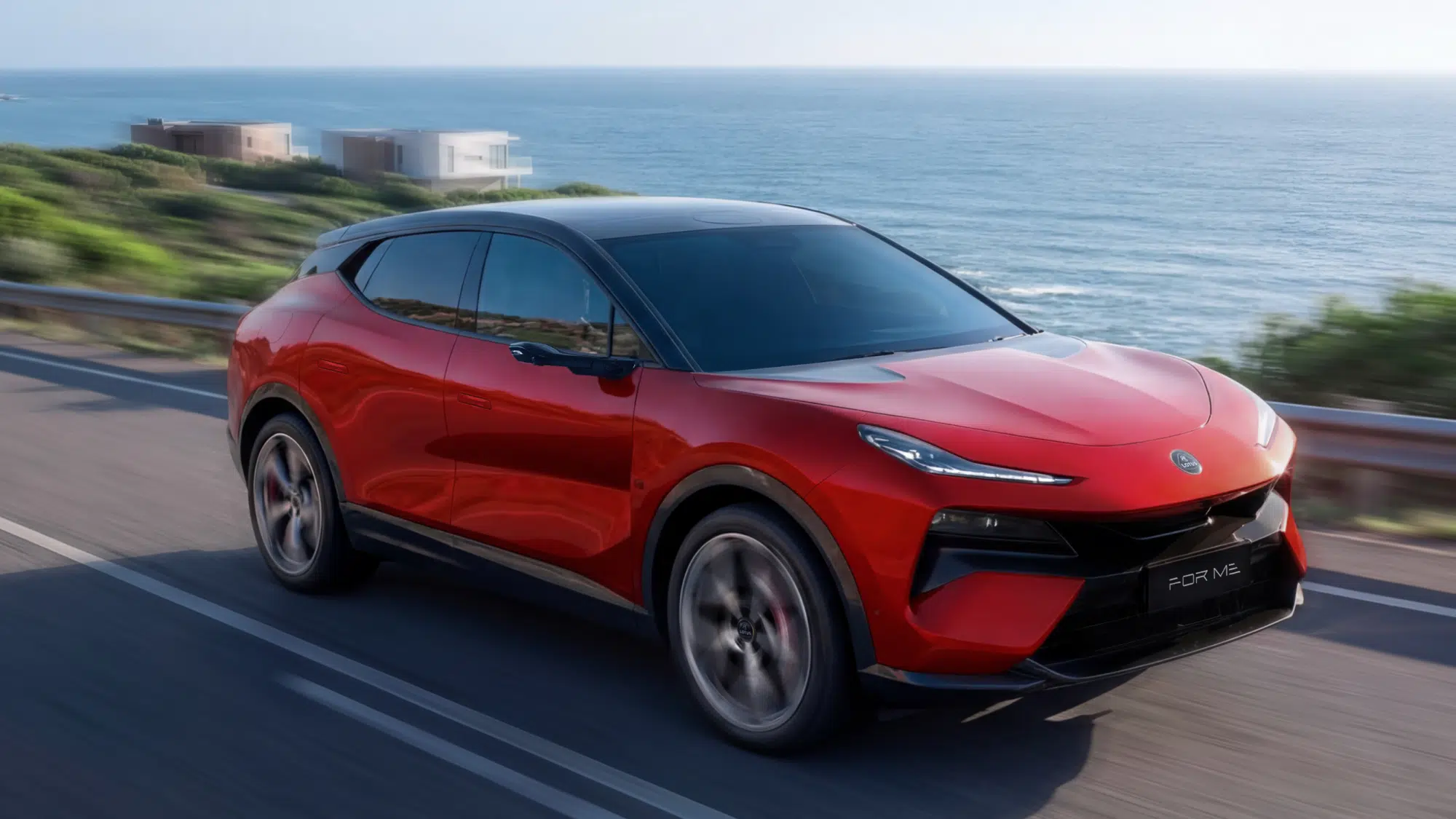
That vehicle, known as the “For Me,” is a plug-in hybrid version of the all-electric Lotus Eletre SUV, with customer deliveries already underway.
In its updated strategy statement, Lotus said it would maintain flexibility across multiple propulsion technologies.
“As regulatory and consumer landscapes continue to evolve globally at different speeds, Lotus will pursue an agile approach across ICE (internal combustion engine), PHEV (hybrid electric vehicle), and BEV (battery electric vehicle),” the company said.
The automaker added that it is targeting “an approximately 60:40 mix between PHEV and BEV volume mix over its electrified portfolio in the interim, and a customer-led transition to full electrification.”
Lotus also confirmed plans to expand its hybrid lineup in Europe. The Eletre X hybrid model is expected to reach European customers in the fourth quarter of 2026.
“Customer deliveries have started in China, and early vehicle reception has been positive, with more than 1,000 orders placed in the first month alone,” the company said.
The revised roadmap also includes a new flagship performance model planned for 2028. Lotus said the upcoming Type 135 super sports car, also referred to as Vision X, will use a V8 hybrid powertrain delivering more than 735 kW of output.
Production of the model is expected to take place in Europe.
At the same time, Lotus said its existing battery-electric lineup — including the Lotus Emeya, the Eletre SUV and the Lotus Evija hypercar — remains central to the company’s long-term plans.
“Lotus’ BEV portfolio […] remains a core pillar of the business,” the company said, adding that it remained committed to further battery-electric vehicle innovation.
Lotus also highlighted closer cooperation with Geely on technology development, supply chains and manufacturing efficiency as part of its Focus 2030 roadmap.
Geely, which also controls brands including Volvo Cars, Polestar and Zeekr, recently outlined its own strategy targeting annual sales of more than 6.5 million vehicles by 2030, with new energy vehicles expected to account for 75% of total deliveries.