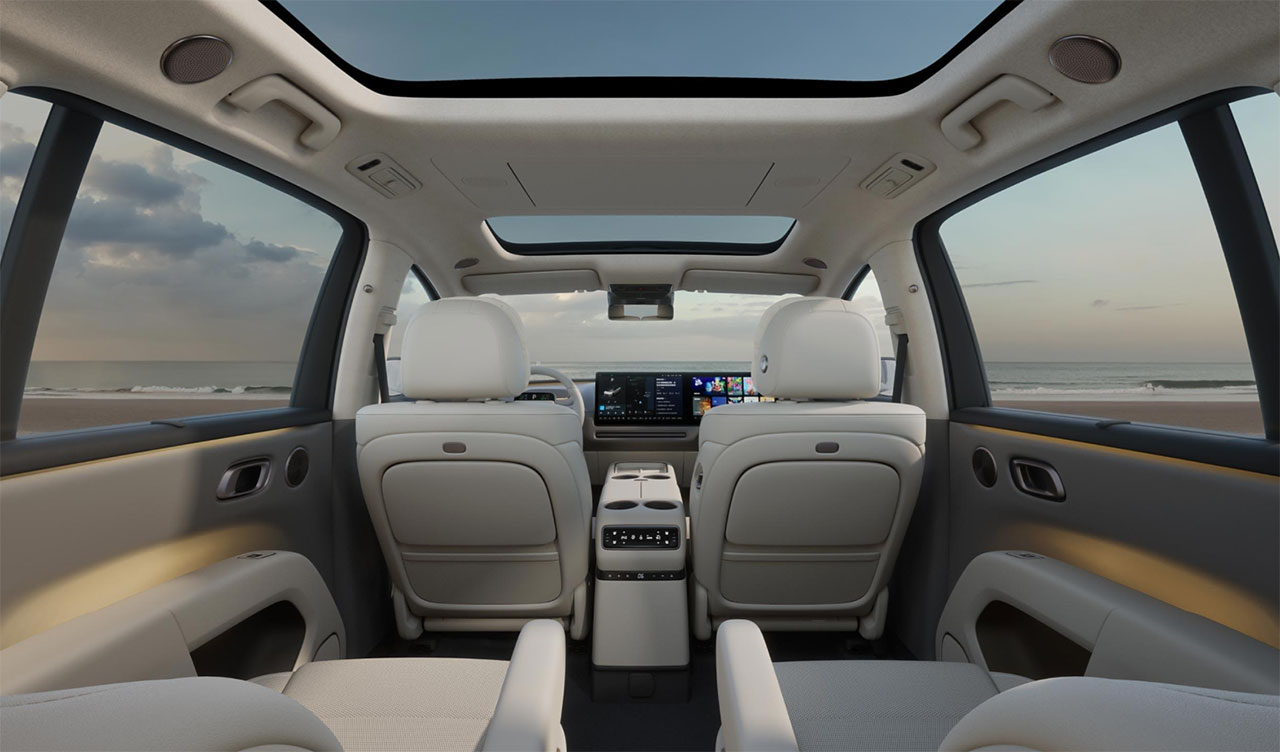



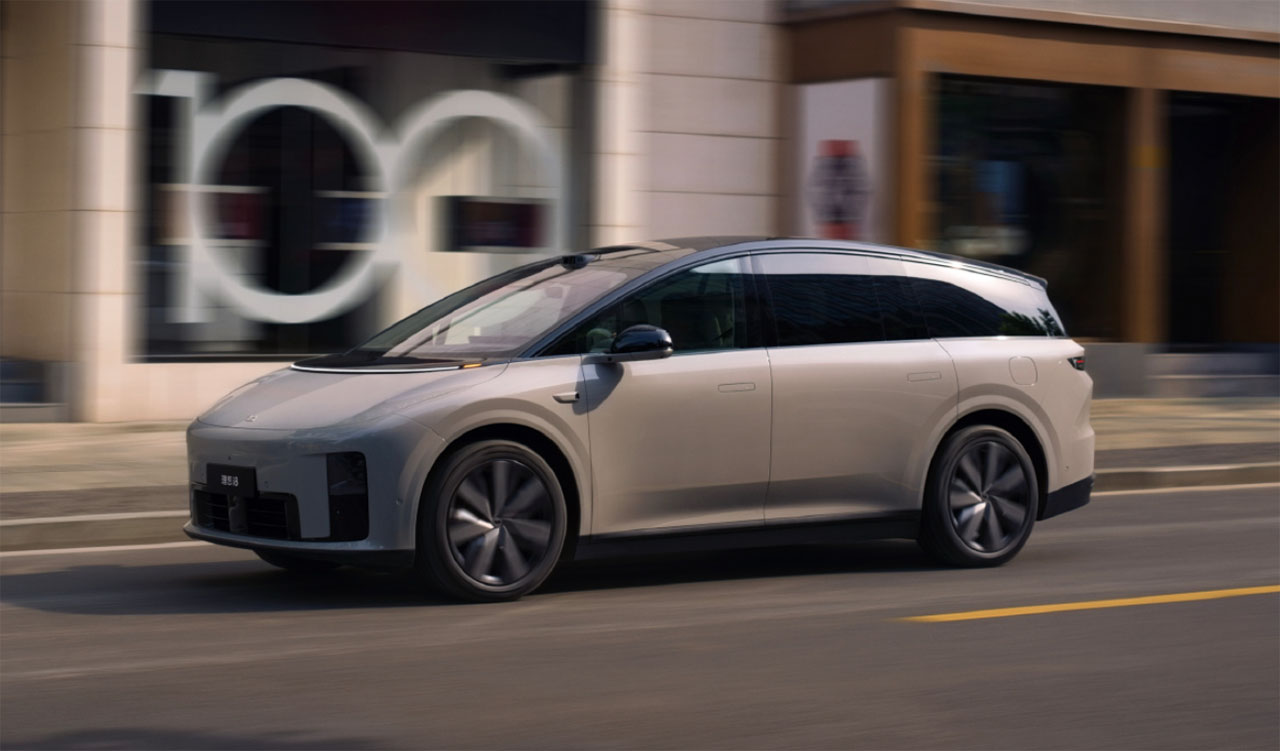
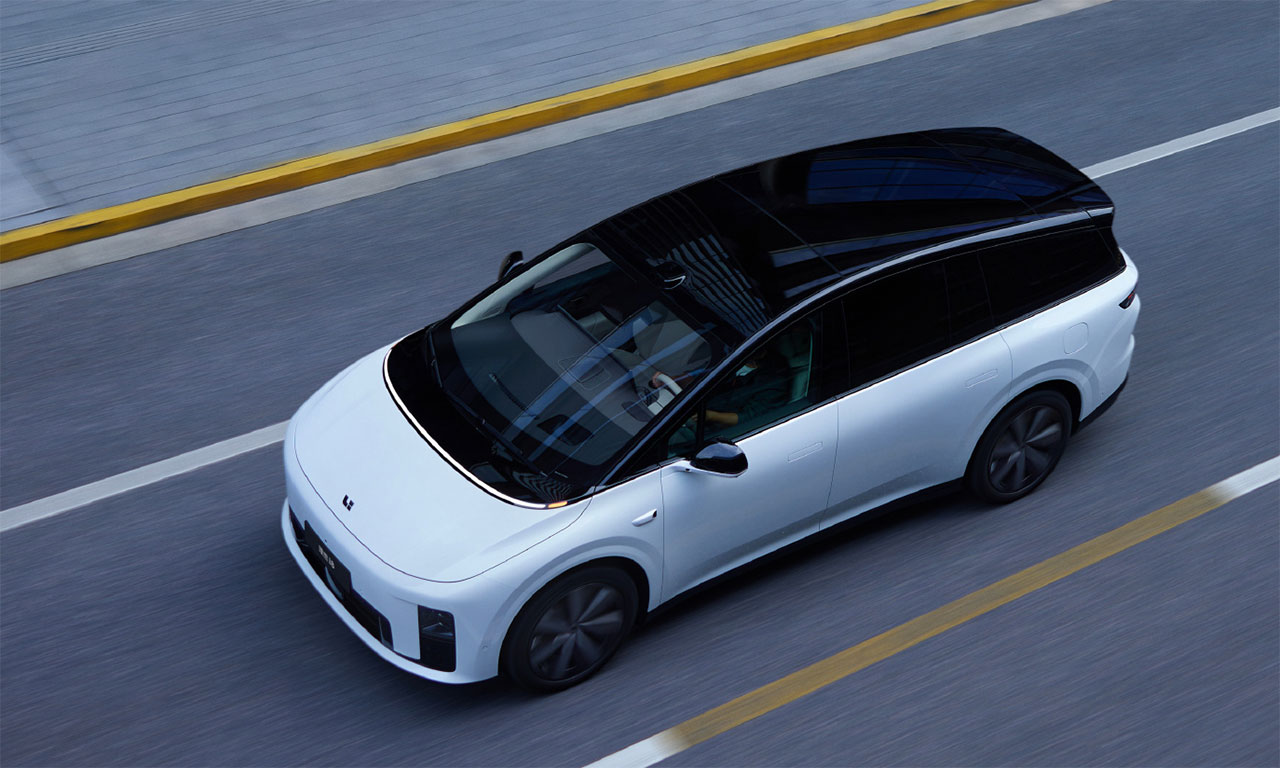
Chinese electric vehicle maker Li Auto launched its first pure battery-electric SUV, the Li i8 with a starting price of RMB 321,800 ($44,830), entering a competitive segment dominated by rivals such as Nio’s Onvo and Tesla.
The launch price came in at least RMB 28,200, or 8%, below the previously anticipated range of RMB 350,000 to RMB 400,000, a move consistent with broader pricing strategies seen across China’s crowded EV market. Despite this discount, the base version of the Li i8 remains nearly 15% more expensive than the RMB 279,900 starting price of the Onvo L90, a competing model from Nio’s sub-brand.

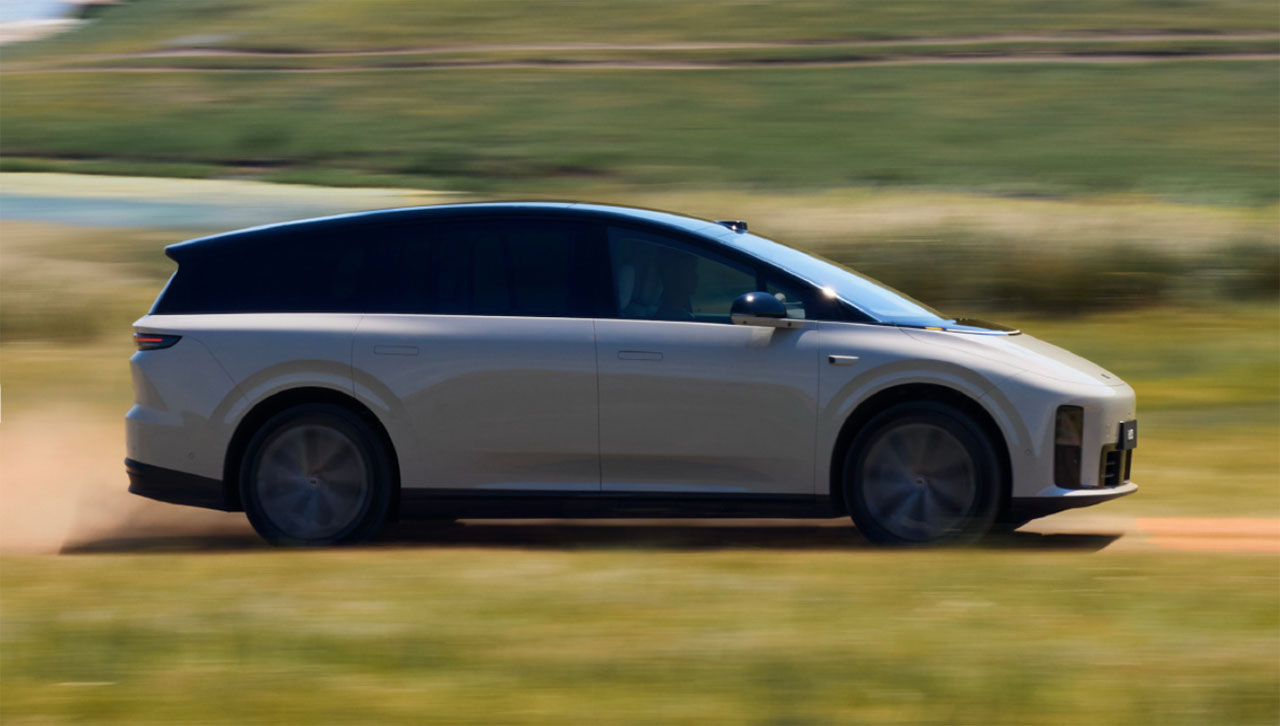
The three-row Li i8, which is available in Pro, Max, and Ultra variants, features a standard dual-motor powertrain delivering 400 kW and 660 Nm of torque, allowing acceleration from 0 to 100 km/h in 4.5 seconds. The Pro version uses a 90.1-kWh battery offering a CLTC range of 670 kilometers, while the Max and Ultra models feature a larger 97.8-kWh pack good for 720 kilometers. All models support 5C charging.
The Li i8 will begin deliveries on August 20. It is Li Auto’s second battery electric vehicle (BEV) following the Li Mega MPV and its first in the SUV category. The move marks a significant pivot from the company’s earlier focus on extended-range electric vehicles (EREVs), such as the popular L series, which has seen slowing momentum.

June deliveries fell 24% year-on-year to 36,279 units, with total deliveries for the first half of 2025 reaching 203,938 vehicles—up just 7.9% from a year earlier. The i8 launch comes as the firm faces mounting competition not only in the BEV space from Onvo and Tesla’s upcoming six-seat Model Y L, but also in the EREV segment, where Huawei-backed Aito has gained ground.
During the launch event in Beijing, Li Auto spent limited time discussing hardware specifications, focusing instead on new smart driving technologies. The Li i8 will debut the firm’s autonomous driving system based on the MindVLA (Visual-Language-Action) framework and ship with the VLA large language model for voice interaction, which will also be extended to the company’s AD Max-equipped models.