



Ireland will introduce a new vehicle scrappage programme next month aimed at encouraging motorists to replace older internal combustion engine (ICE) vehicles with battery-electric vehicles (BEVs).
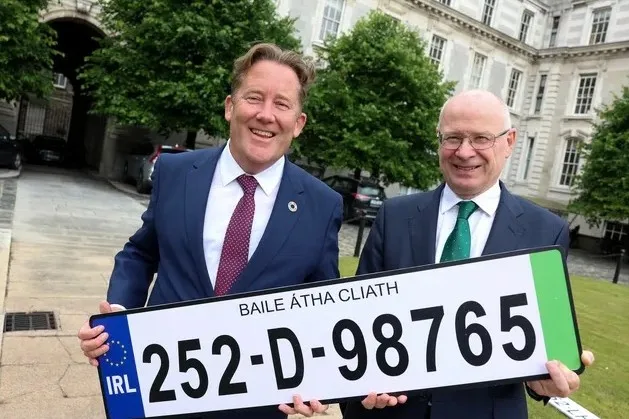
The ICE2EV scheme, announced by Transport Minister Darragh O’Brien, will provide grants of up to €5,000 to eligible applicants who scrap older petrol or diesel vehicles and purchase a new battery-electric car.
Backed by €10 million from the government’s Climate Action Fund, the programme is scheduled to open on July 1, 2026.
Focus on Older Vehicles
According to the Department of Transport, the scheme targets vehicles registered in 2013 or earlier, reflecting efforts to remove older, higher-emission cars from Ireland’s roads.
To qualify, applicants must demonstrate that the vehicle has been registered in their name for at least 12 months and has maintained a valid National Car Test (NCT) certificate.
The vehicle must also have been taxed and insured for road use during the six months preceding the application.
Successful applicants will receive a €5,000 grant that must be applied toward the purchase of a new battery-electric vehicle.
Additional EV Incentives Available
The scrappage payment can be combined with Ireland’s existing Sustainable Energy Authority of Ireland (SEAI) Electric Vehicle Purchase Grant.
The government confirmed that the SEAI grant of up to €3,500 will remain available, allowing eligible buyers to access combined support of up to €8,500.
However, the maximum vehicle price eligible for the SEAI grant will be reduced from €60,000 to €50,000 for applications submitted after July 31.
The changes are intended to focus public support on more affordable electric vehicle purchases.
Funding Prioritizes Rural Communities
The government said 65% of available funding under the ICE2EV programme will be allocated to applicants living in rural areas, while the remaining 35% will be reserved for urban residents.
Officials said the allocation reflects higher levels of car dependency in many rural communities.
“Older vehicles are among the highest emitters in our transport system, and many households face real financial barriers in moving to cleaner alternatives,” said Darragh O’Brien, Ireland’s Minister for Transport.
“ICE2EV is designed to bridge that gap, helping people make the switch while delivering immediate and measurable reductions in emissions.”
Supporting Cleaner Transport
The government said the initiative forms part of broader efforts to reduce transport-related emissions and accelerate the transition to cleaner mobility.
Jerry Buttimer, Minister of State with responsibility for Rural Transport, said the programme is intended to improve access to electric vehicles while targeting some of the highest-emitting vehicles currently in operation.
“ICE2EV is an important step in making electric vehicles more accessible to a wider range of households, particularly in rural communities where car dependency is often greatest,” Buttimer said.
“By targeting older, higher-emitting vehicles, we are ensuring that this investment delivers real environmental benefits while supporting people to make a practical and affordable choice for cleaner transport.”
The launch comes as European governments continue to explore incentive programmes aimed at accelerating electric vehicle adoption and reducing emissions from road transport.


