





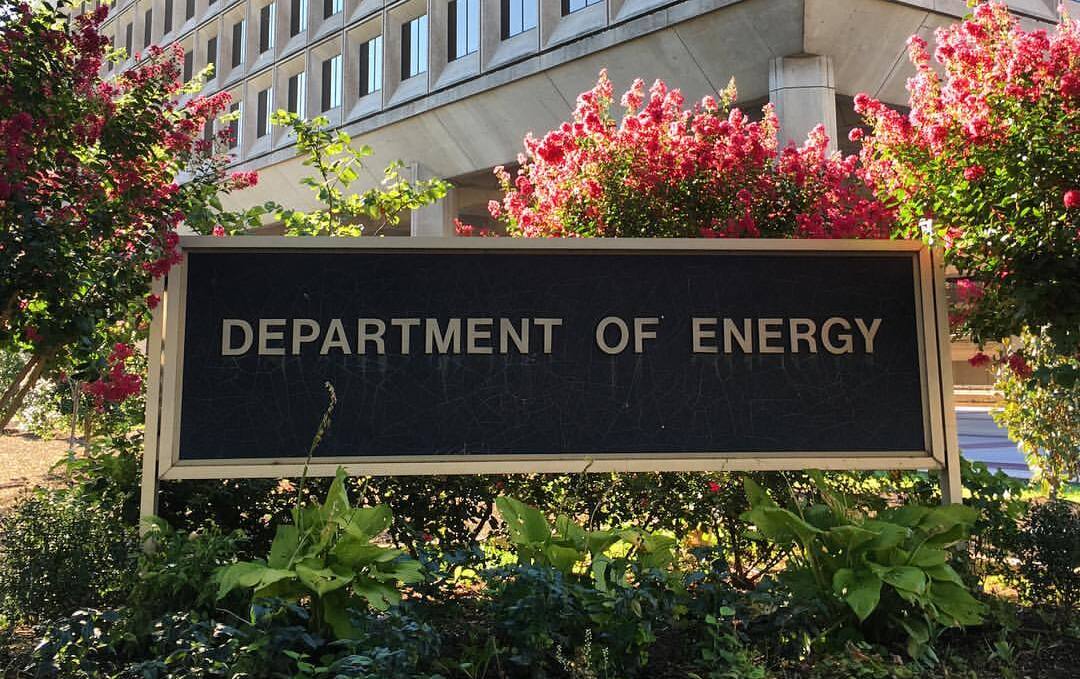
Australian lithium miner Ioneer has secured a historic $996 million loan from the U.S. Department of Energy (DOE) to support the development of an on-site processing facility at its Rhyolite Ridge Lithium-Boron project in Nevada. The loan is a record for an Australian company and underscores the U.S.’s efforts to reduce reliance on China for critical minerals.
The 20-year loan will fund the development of the project, which aims to supply lithium for electric vehicle (EV) batteries and boron for industrial uses. The mine, located 362 kilometers north of Las Vegas, will be the first new lithium mine in the U.S. in nearly six decades, significantly boosting domestic lithium production.
Once operational, the mine is projected to supply enough lithium to power approximately 370,000 electric vehicles per year and create an estimated 500 jobs during its construction phase, with 350 high-paying positions during operations.
Ioneer managing director Bernard Rowe highlighted the strategic importance of the loan, saying, “Ioneer looks forward to bringing these urgently needed materials to market and is proud to set the new standard for modern mining operations and community engagement.” Rowe added, “Rhyolite Ridge will not only create new jobs in Nevada but foster innovation across the country.”
The project faced environmental opposition, notably from the Centre for Biological Diversity, which raised concerns about the potential impact on the Tiehm’s buckwheat flower. Despite these hurdles, the Biden administration expressed strong support for the project, emphasizing the national need for domestic lithium production.
Ioneer chairman James Calaway remarked, “The need for domestically sourced and processed lithium and boron has never been greater. The United States requires Rhyolite Ridge and more projects like it if we want secure domestic critical mineral production. It’s as simple as that.”


