



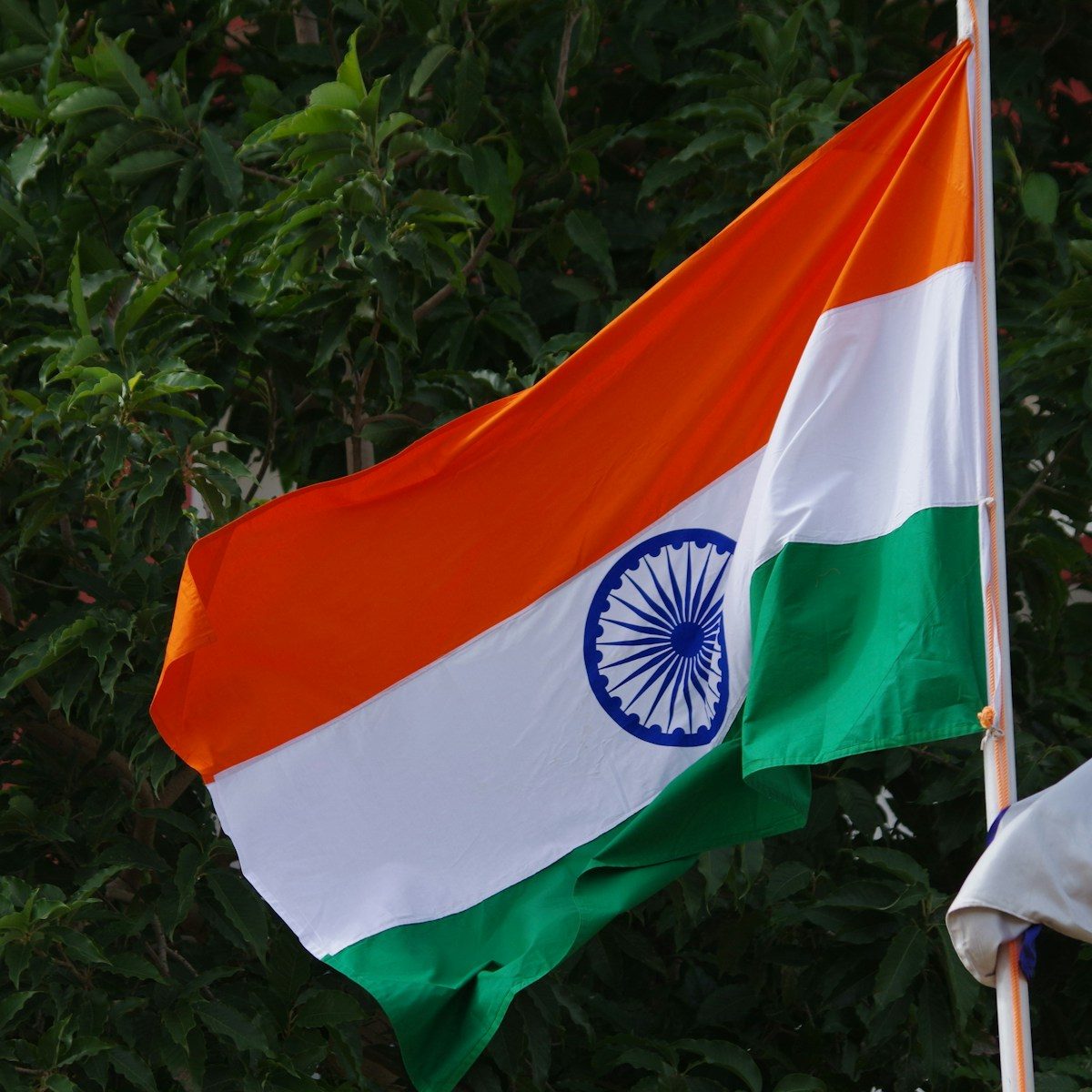
India has deployed 225 electric buses across multiple cities as part of a broader effort to decarbonise public transport, with Prime Minister Narendra Modi virtually flagging off the vehicles on Feb. 14. The rollout falls under the PM e-Bus Sewa Scheme, which aims to introduce 10,000 electric buses in urban areas nationwide.
The Ministry of Housing and Urban Affairs allocated the new buses across several regions. In the northeastern city of Guwahati in Assam, 100 units were deployed at the Roopnagar Depot. Another 100 buses were introduced in western India, including 50 at the Koradi Depot in Nagpur, Maharashtra, and 50 in Bhavnagar, Gujarat. The remaining 25 units were delivered to the CTU Depot in Chandigarh, which serves as the joint capital of Punjab and Haryana.
See also: LeafyBus Partners With Eicher to Roll Out 100 Electric Intercity Sleeper Buses in India
A majority of the vehicles—200 units—were supplied by JBM Auto through its electric mobility division. The nine-metre low-floor buses are equipped with features such as air conditioning, automatic sliding doors, and CCTV systems. Following the delivery, the company said its cumulative electric bus fleet exceeds 3,200 units. “As a nation, we are steadily progressing towards green mobility. It reflects the power of visionary leadership, progressive policy and public-private collaboration in accelerating large-scale transformation,” said Nishant Arya, Vice Chairman and Managing Director of JBM Auto.

The remaining 25 buses, delivered to Chandigarh, were supplied by PMI Electro Mobility. These 12-metre low-floor models include accessibility features such as a power-operated ramp and kneeling function, along with air conditioning and onboard surveillance. According to local reports, each bus can carry up to 57 passengers, including seated and standing riders. Chandigarh’s electric bus fleet now totals 105 units, with plans to expand to 180 by May.
See also: GreenCell Mobility Raises $89 Million to Accelerate Electric Bus Expansion in India
Under the PM e-Bus Sewa Scheme, the government plans to distribute electric buses to 169 cities with populations below four million. Larger metropolitan areas are supported separately through the PM E-DRIVE Scheme administered by the Ministry of Heavy Industries, which offers subsidies for up to 14,028 electric buses across nine major cities. Officials say the combined initiatives are intended to accelerate adoption of zero-emission public transport and reduce urban air pollution.


